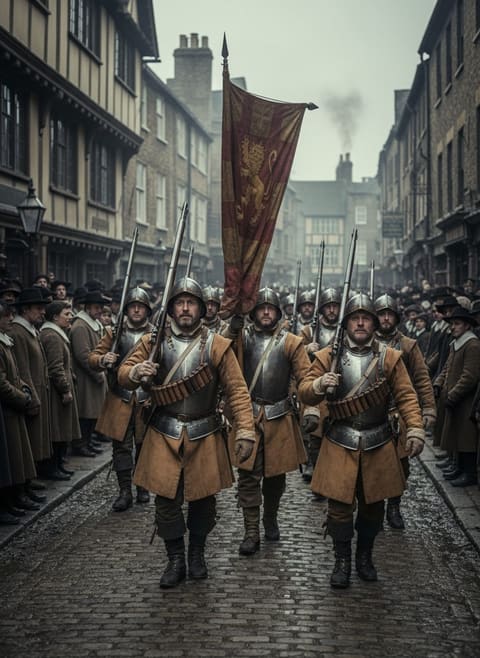
The cobblestones echoed with the rapid clatter of approaching hooves. Shrouded in the dim light, William Seymour, his cloak billowing, darted through the shadows of London’s twisting streets. His heart thudded with each furtive glance over his shoulder, knowing full well the weight of the crown’s anger was in pursuit with every gallop that neared.
A Marriage Sealed in Shadows
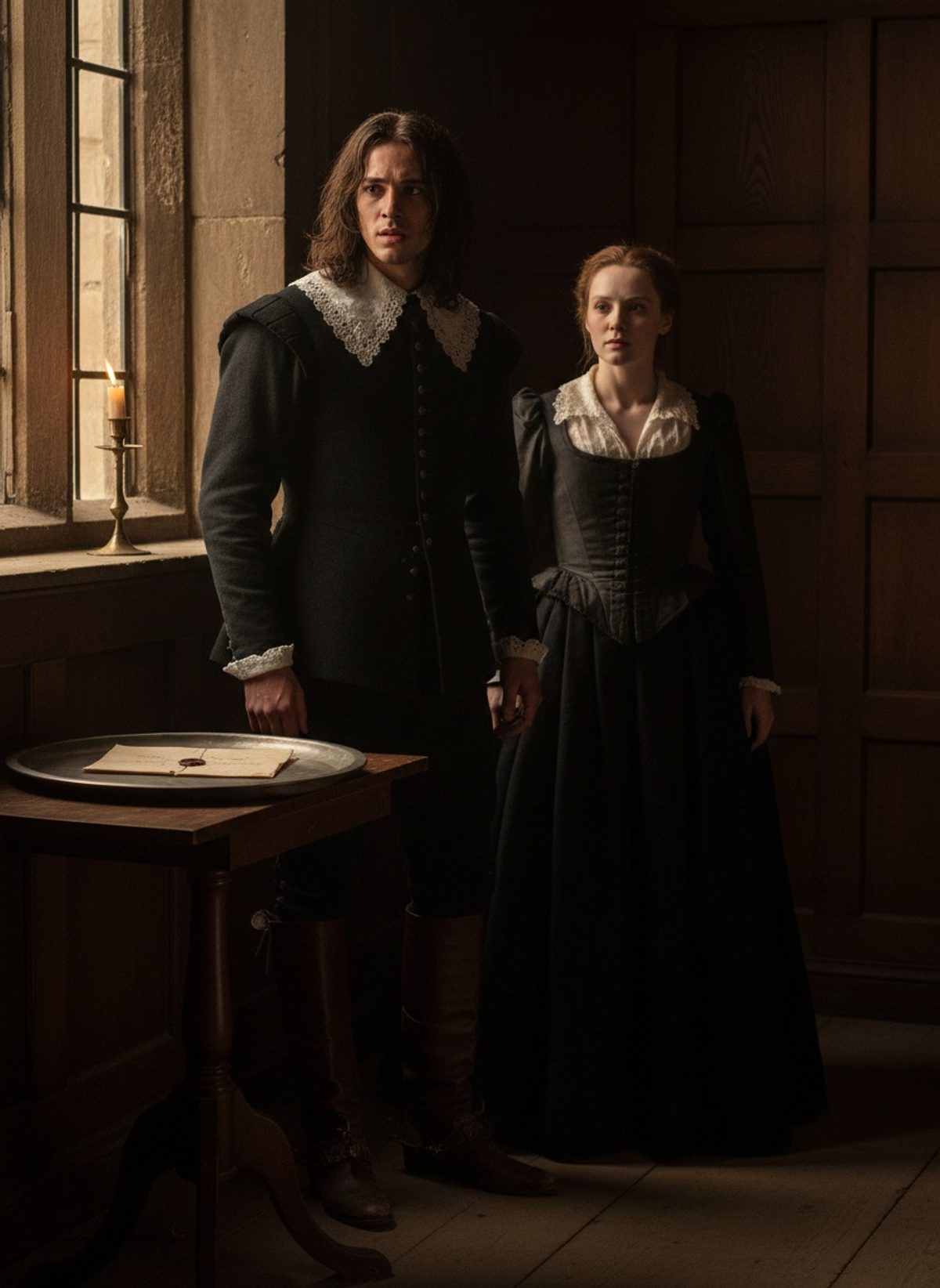
In the year 1610, the quiet of England’s royal court was shattered by a union veiled in secrecy but ablaze with consequence. William Seymour, a young gentleman of noted heritage, had exchanged solemn vows with Lady Arbella Stuart, a woman whose name whispered with regal promise stoked the flames of royal fear. Arbella’s lineage linked her dangerously close to the throne itself, her claim woven tightly with the tapestry of Tudor and Stuart ancestry. The marriage was a perilous knot within the labyrinth of succession, one that King James I could neither ignore nor abide.
James’s reign, already fraught with challenges of legitimacy and rule, could ill afford the splintering storm of civil unrest. Arbitrary marriages among the nobility were unsettling enough; a union between Seymour and Arbella was positively incendiary. Their clandestine ceremony was not just a breach of royal protocol but a whispered defiance—one that cast ripples through the waters of kingly authority. Yet, to the couple, the marriage was not about crowns or claims. It was a union of rebellious affection, kindling their shared necessity to affirm identity and love in a world that viewed them both as mere pawns on a grand chessboard.
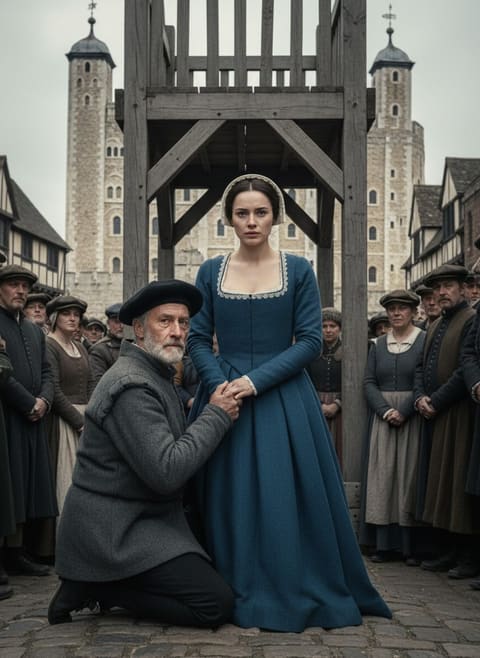
The repercussions were swift. James, incensed and alarmed by the threat to his throne, wielded the full force of his authority, ordering the immediate arrest of both Seymour and Arbella. The Tower of London became Arbella’s unwilling home—a gilded cage that would, unbeknownst to her, be the final chapter of her tale. Seymour, from his captors’ grasp, orchestrated a daring escape, a carter’s guise in place of his noble identity, his heart heavy with both the promise he had made and the peril he had invited.
Read next: The Day a Tudor Lawyer Refused to Sign a Queen's Death Warrant
Prison Bars and Perilous Seas
Within the cold, stone confines of the Tower, Arbella Stuart’s spirit flickered like a candle fighting against the draft. Her thoughts were rife with memories and dreams—a marriage that had been her boldest expression of autonomy now morphed into her direst misfortune. James’s wrath left her isolated, a pawn held under lock against rumors of rebellion. Her letters, pleaful and reasoned, were cries into the void of royal obstinance, falling upon ears deafened by fear of instability.
Meanwhile, Seymour’s escape was a testament not just to ingenuity, but to the desperate breadths love and survival inch toward in tandem. His journey—a harried feat to reach the continent—was fraught with the odds of betrayal and the threat of capture, yet deftly executed. Disguised as a carter, he managed to slip through the kingdom's fingers, each mile traversed steeped in the knowledge he journeyed alone. The Channel crossing itself was a gambler’s roll, one wrong step ready to unravel his flight at the whims of the ever-watchful sea.
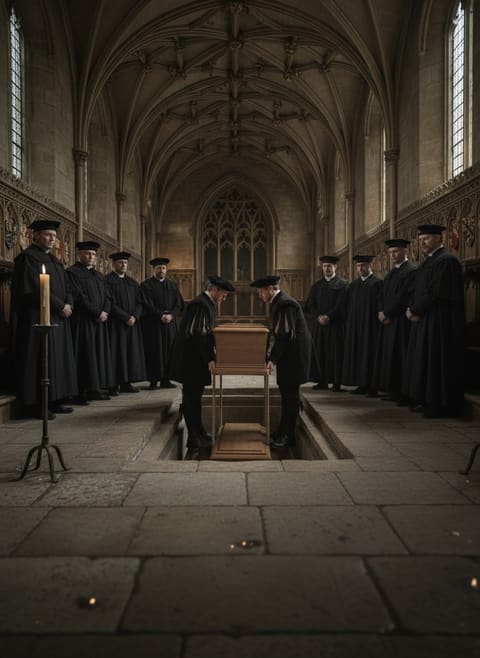
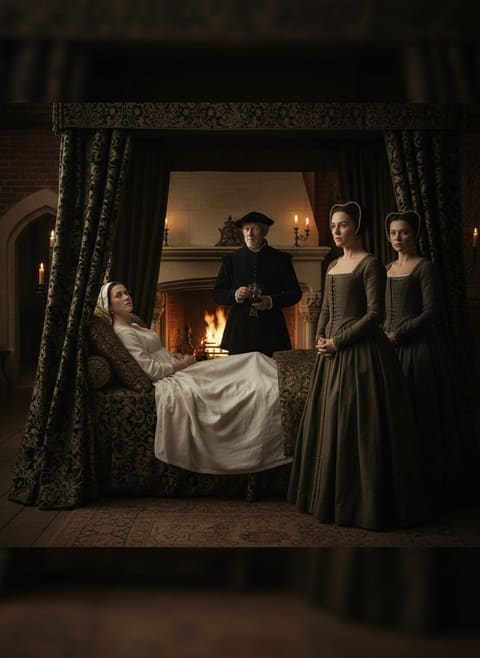
While Seymour tasted freedom on foreign shores, Arbella’s condition within the Tower grew dire. Accounts from the time, although sparse, paint a picture of dwindling health and waning hope. Her noble heart, once fierce and full of resolve, faced its twilight in solitude. Without Seymour’s presence or hope of reprieve, her spirit withered, and in 1615, the Tower’s ancient echoes bore witness to the quiet cessation of a life snuffed too soon.
Read next: The Portrait That Told Elizabeth I's Enemies She Would Never Break
The Legacy of Fractured Lines
The story of William Seymour and Lady Arbella Stuart reverberates through the corridors of history, beyond the whispers of scandal and into the domain of profound human narratives. Their tale, enmeshed with rebellion and resilience, casts light upon the precarious lives borne by those with bloodlines too royal for comfort yet too distant for the crown. It underscores the very human price of sovereignty and the tensions that pulse beneath the surface of monarchical power.
Though separated irrevocably by fate, the sobering truth of their union is a reminder of the transitory dance between love's defiance and the iron fist of authority. Despite Seymour’s eventual inheritance of titles and return to England’s noble circles, the ghost of his and Arbella’s union lingered—a shadow on the tapestry of royal red and gold. Their attempted union was a foiled possibility in the chess game of dynastic thrones, but it was one drawn deeply in the ink of passion and consequence.
As distant echoes of courtly intrigue spill into our modern meditations on history, the lost love and ultimate demise of Arbella Stuart assert themselves as more than a mere footnote in royal annals. Their narrative invites reflection on the perennial human struggle for autonomy and recognition, where even the crowned and courted cannot escape the binding threads of ordered obedience. James's reign, marked as much by peace as paranoia, serves to remind us that the heart—and its fervent pursuits— remain ever at odds with the pursuit of power, a dance as captivating now as it was in 1610.