The Tangier breeze carried the scent of salt and sand, weaving through the tightly packed streets and bustling port of Algiers. The sun hung high in the sky, casting sharp shadows on the churning waves that slapped against the hulls of anchored ships. The Mediterranean gleamed, reflecting restless anticipation.
It was against this sun-kissed canvas that a quiet tension loomed: an ultimatum would be answered with thunderous consequence or unexpected redemption. The Dey of Algiers was about to face a challenge unlike any other, as the British Navy, under the command of Lord Exmouth, prepared to strike where diplomacy had failed. The fate of over a thousand souls weighed in the balance, awaiting a decision beyond the waves.
The Peril in Peace
Earlier in the year, Lord Exmouth had approached these very shores with a different purpose. In the spring air of April, his vessels cut through the waters with a mission draped in diplomacy. Twice he had come, cajoling and negotiating, hoping to convince the Ottoman stronghold to cease its barbaric trade of human lives. The Dey's fortress of indifference, however, stood unyielding, fortified by years of unchecked power and lucrative gains.
As summer heat settled in, the tension only thickened. In the world of Regency diplomacy, patience was often a gambit fraught with peril, the stakes raised with every failure. Yet, Exmouth refused to accept a world where men, women, and children were to be shackled in Algiers’ slave markets.
Read next: The 22 Countries Britain Never Reached — And Why
He returned to England with resolve hardening into a steely plan. The risks were vast; the Dey commanded a formidable defense of cannons and fortified harbors. Algiers was not just a pirate lair but a fortress bracing against the tides.
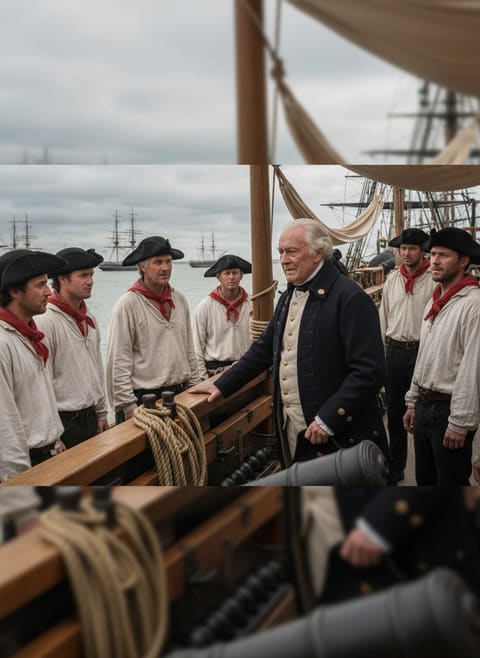
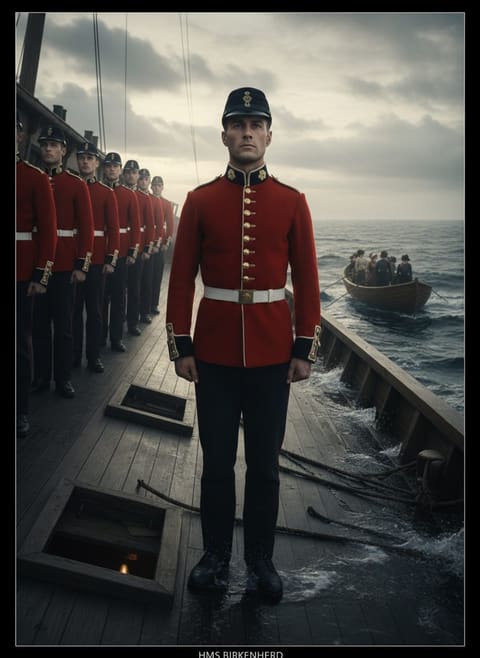
Undeterred by failed negotiations, Exmouth amassed a formidable fleet, preparing not for war, but to issue a final appeal carried by more than just words. With Queen Charlotte leading, they sailed once more toward a horizon now tinged with the hope of liberation.
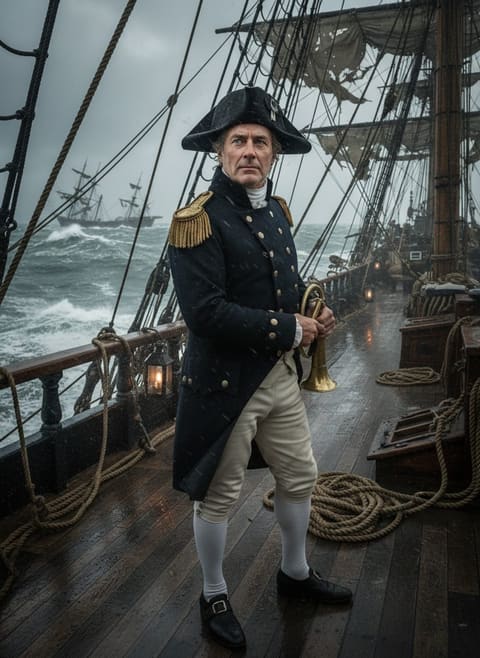
Exmouth, unwavering even as ominous clouds of conflict gathered, had etched into history an echo of what must be the spirit of perseverance. It was this grit that led him, battered and scarred from the Queen Charlotte’s fifty hits, to still command his ship. For inaction threatened to turn betrayal to those whose freedom rested on this brink of battle.
At the Brink of Dawn
As night settled over Algiers, silence blanketed the waters, broken only by the rhythmic clink of chains and muffled cries from harbour-side prisons. This night carried the breath before the storm, pregnant with anticipation that electrified the air. The outline of the Dey’s palace stood silhouetted against the starlit sky, a bastion that had long resided in defiance over the Mediterranean waters. With first light, Exmouth sent what stood as the final call—one last plea for humanity before action.
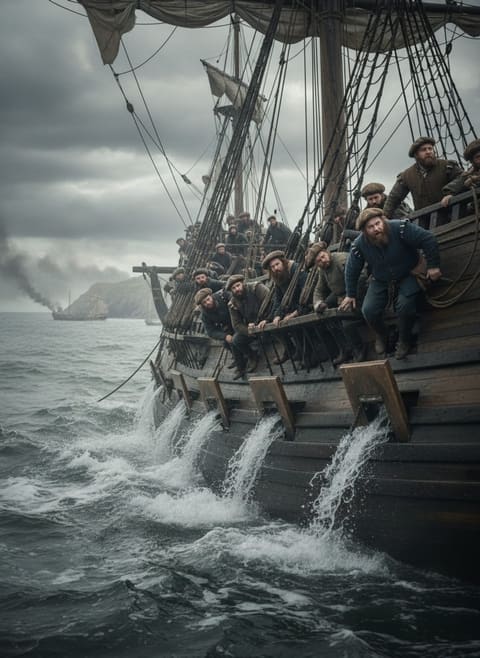
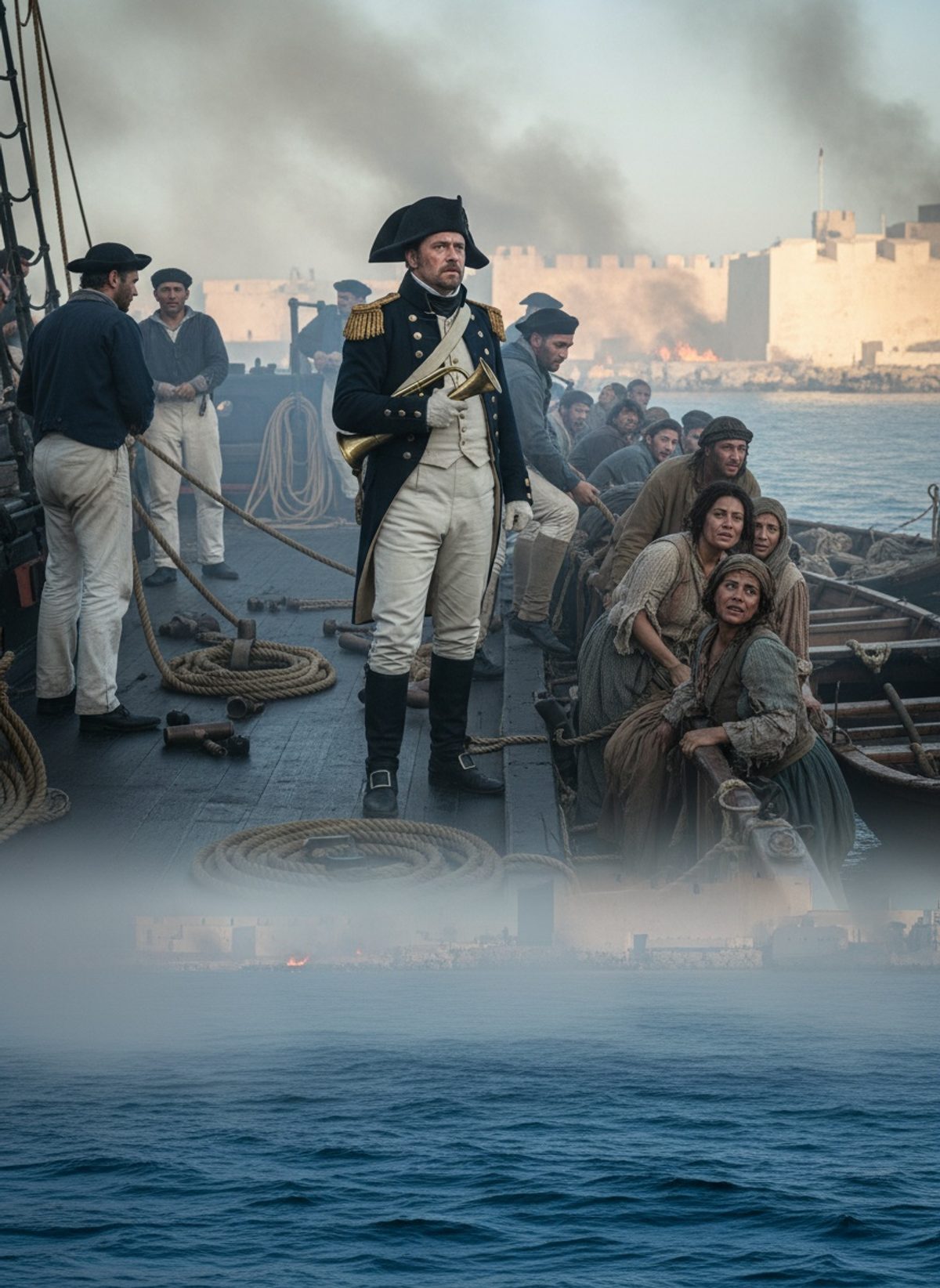
The Dey's ignorance sealed his fate with the dawn's first rays. Anchored close enough to smell the city, even hidden by the morning mists, Exmouth’s fleet was ready. The guns roared to life, a symphony of determination as cannonballs tore into defenses that once seemed indomitable.
Hour upon hour passed; smoke and flame mixed, creating a spectacle that could be seen for miles along the coast. Algiers’ famed Ottoman defenses shuddered under the relentless onslaught, leaving no doubt that the day may end differently than any had dared hope before.
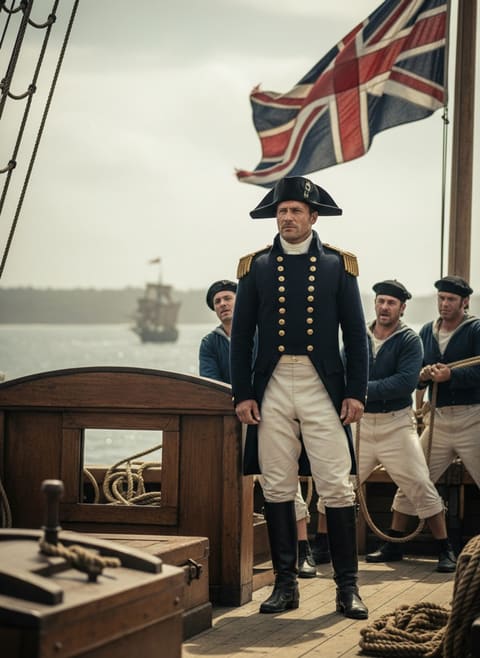
Throughout the nine-hour barrage, amidst the thunder and fury, Exmouth stood, despite his injuries, at the wheel, a stalwart symbol against the city. The crescendo reached its apex as defence after defense fell.
Read next: The Night Captain Cook Stood Between His Men and a Massacre
The sun set uncertainly on the frenzied battlefield, painting the horizon crimson as the Dey capitulated, signing his surrender under the shadows of destroyed ramparts. With pen on paper, chains were metaphorically broken. The silence that followed this signature heralded a different dawn for 1,083 lives—freed men and women who would celebrate this night as one of rebirth.
Echoes of Liberation
As the sun kissed the horizon the following day, Algiers witnessed a parade unlike any in its history. Freed hands waved, freed feet danced, as echoes of freedom threaded through the streets—notes powerful enough to bend even the unyielding stones of Algiers’ harbors. This spectacle of liberation, set against a backdrop of peace and newfound hope, underscored the importance of Exmouth’s ironclad resolve.
The story of the man who sailed into Algiers and freed over a thousand slaves remains a testament to the power of unwavering courage. It speaks to a forgotten corner of the Regency's numerous tales—a reminder that, in some silent corridors of story, true victory lies in the dawning of new chapters, not congested with textbook narrations but flourishing in emotionally charged echoes.
As Queen Charlotte sailed back through tranquil waters, those freed lives carried the legacy of a confrontation not merely between nations, but between the indifference of an era and inherent human dignity.
This tale, often overlooked, forces us to ponder how often the course of history has turned in small, defiant acts of valor. The waves of Algiers now ripple with such tales, urging us to remember that history is not just what is taught, but also what is felt and lived anew in each word of freedom and justice achieved against all odds.