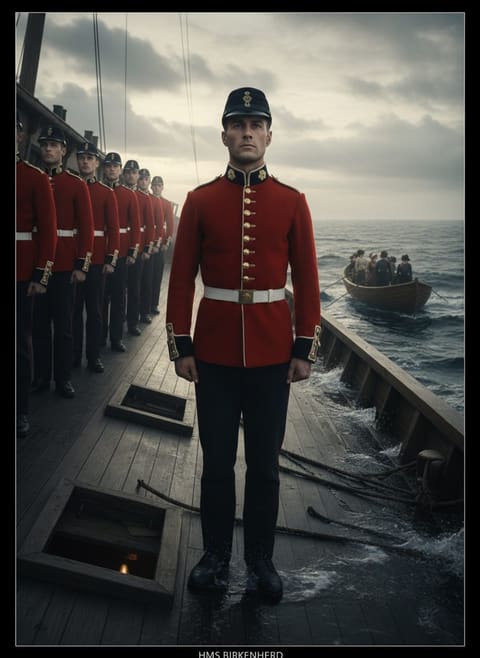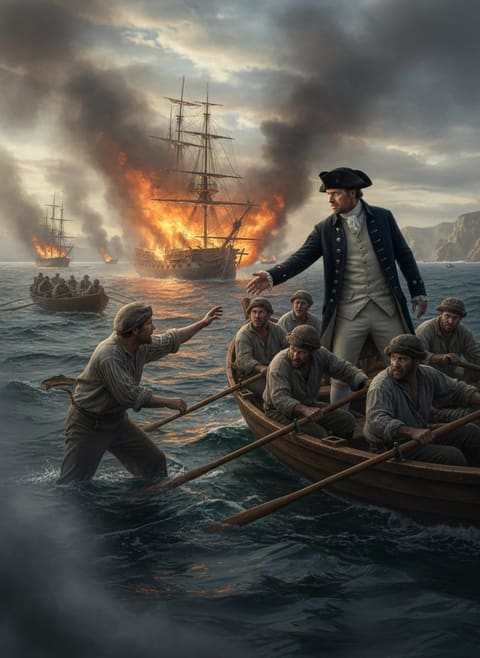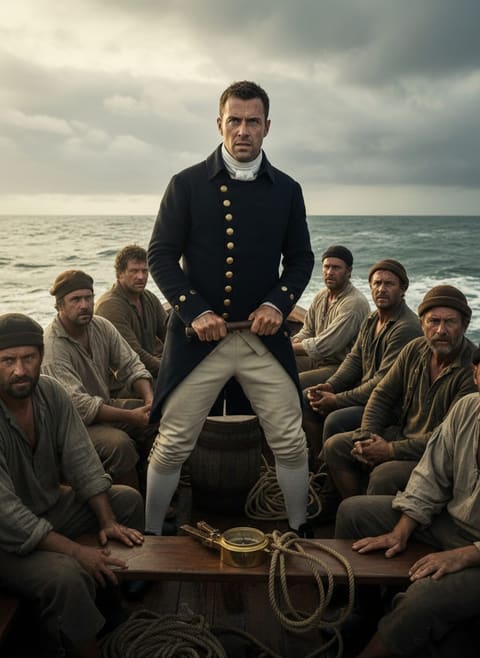
April 1797. The waters of the Solent lay still beneath a fleet of colossal warships, their masts standing like leafless trees against the crisp spring sky.
The Rebel Tide
In the heart of the Georgian era, the Royal Navy's fleet at Spithead transformed from a bulwark of Britain's maritime supremacy into a simmering kettle of discontent. Every ship, every towering mast swaying gently with the tide, was abandoned to mutiny. Red flags fluttered defiantly in the breeze, a signal of rebellion that could not be ignored. This was not an isolated mutiny, but rather a collective stand by sailors pushed to their limits, bound by a shared grievance that neither orders nor discipline could stifle.
The sailors' demands were stark, yet simple. Conditions onboard had degraded to the point of inhumanity; pay was stagnant, meager provisions barely satisfied the needs of hardened men, and punishment was dispensed with cruel regularity. Their rebellion had been brewing quietly below deck, discussed in whispers over scant meals and during stolen moments of freedom. But now, openly expressed, it rippled through the fleet, creating a formidable challenge not easily quelled by the Admiralty sitting uneasily in London.
A Broken Leader
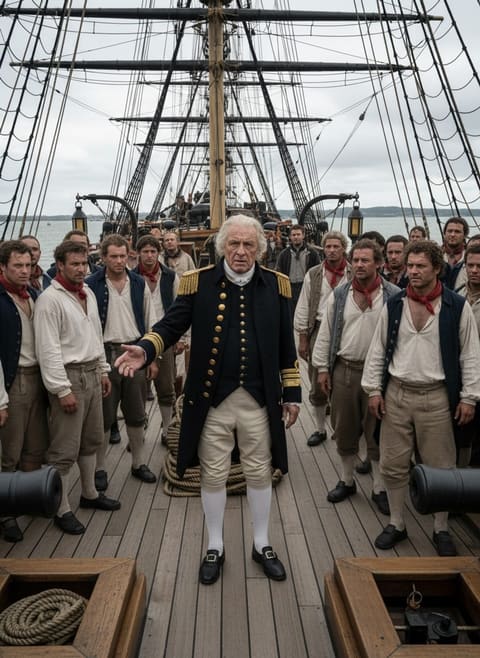
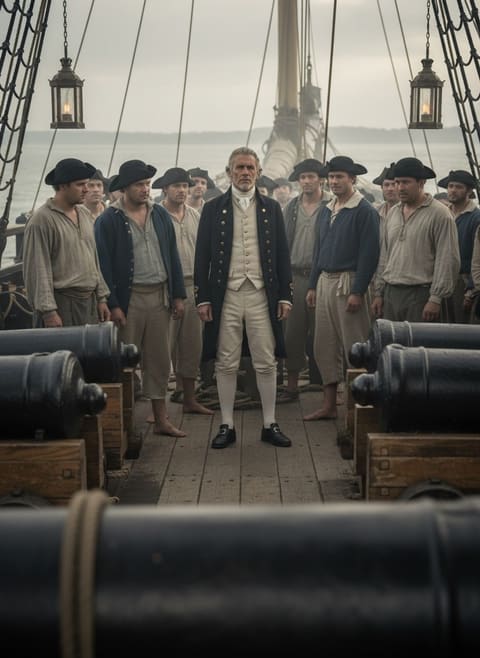
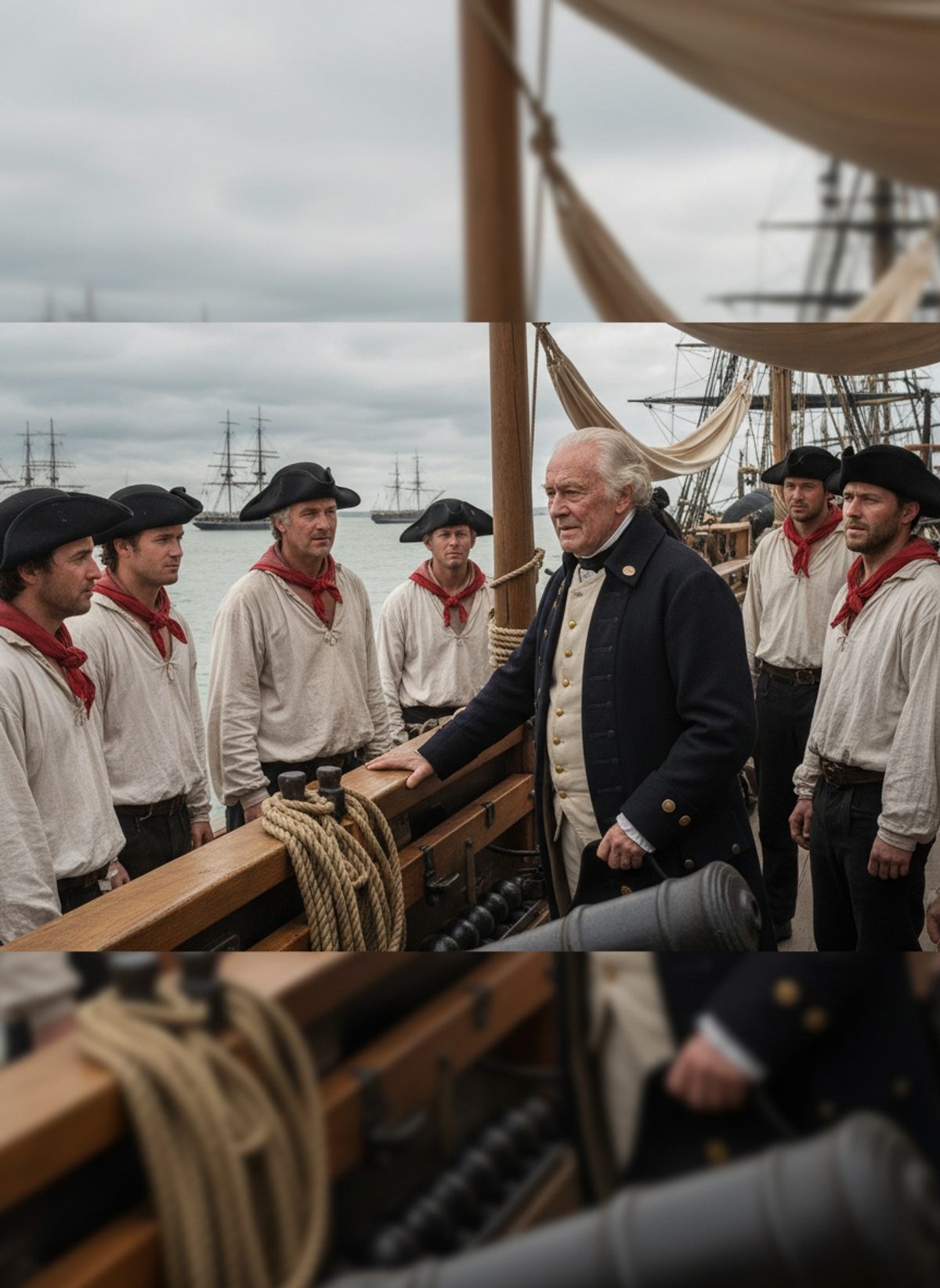
Enter Admiral Richard Howe, an old warrior worn by years of service and the rheumatic pains of gout. Known as the "Father of the Navy," Howe's reputation already heralded his strategic prowess and deep understanding of naval life, but his physical frailty was undeniable. Nevertheless, he undertook a task most considered impossible. With a calmness forged through decades at sea, Howe prepared to face the mutineers alone, without escort or entourage. As he stepped onto the deck of a ship now controlled by its sailors, the collective breath of both fleets and the nation-in-waiting faltered.
Read next: The Ship That Sank in Sight of Its Own King
Howe's arrival on the ship was an exercise in nuanced diplomacy. His movements slow but deliberate, the admiral took to each ship in turn, a solitary figure amidst a sea of young men whose eyes belied their mistrust and desperation. With wisdom refracting through the lines etched into his face, Howe listened. He wasn't an outsider, barking orders and threats. Instead, he was a listener, a companion, someone who had shared their hardships, as no prior emissary had truly done.
The Turning Tide
What transpired on these decks was not a mere dialogue but a catharsis. Howe’s patience turned tides, his words flowed with the authority of experience and empathy. He addressed their grievances with attentiveness that cut through the animosity. Somewhere amid those conversations, a remarkable transformation began. Trust, tentative yet profound, sparked into life. The admiral, with his simple presence and genuine interaction, managed what the threat of steel and fire had failed to achieve.
Within days of Howe’s intervention, the red flags began to disappear. The ships once silent with protest began buzzing with activity, the decks previously abandoned now teemed with sailors preparing for departure. With careful negotiation and promises of justice, conditions were to be ameliorated, wages improved, and grievances addressed. It was not capitulation but reconciliation, brokered by a leader whose persona resonated with the men he served.
Sailing Towards Resolution
As the sails unfurled and the fleet turned towards the open sea once more, the mutineers returned to their roles with a newfound sense of purpose. Howe's ability to convert disaffection into teamwork was nothing short of something extraordinary in the annals of naval history. The fleet, once a symbol of Britain's greatest shame, sailed, united by a shared respect for a leader who had seen them not as mutinous ruffians, but as mariners of the royal fleet, deserving of dignity.
Read next: The Day Admiral Collingwood Sailed Into the Storm Alone
In London, the Admiralty, albeit reluctantly, acknowledged the success of Howe's intervention. His action not only preserved the integrity of the Royal Navy but safeguarded Britain's strategic interests at a time when European stability trembled under the weight of revolutionary forces.
The Lasting Impact of Motions on Water
The night Admiral Howe walked the decks, transformed what could have been a tarnished chronicle into a testament to the power of leadership, diplomacy, and the universality of understanding. It was a precedent that reverberated far beyond 1797. In starkly human terms, the event underscored a crucial lesson: that the structures of command, though necessary, must be deeply rooted in mutual respect and empathy.
As the ships of the Royal Navy set sail that day, they carried not just the might of British resolve, but also an enduring reminder of the power of listening. The night a weathered sailor talked a mutinous fleet back into order stands not merely as a historical curiosity but as a profound blueprint for leadership in adversity, one that echoes across the decks of time into our own uncharted waters.