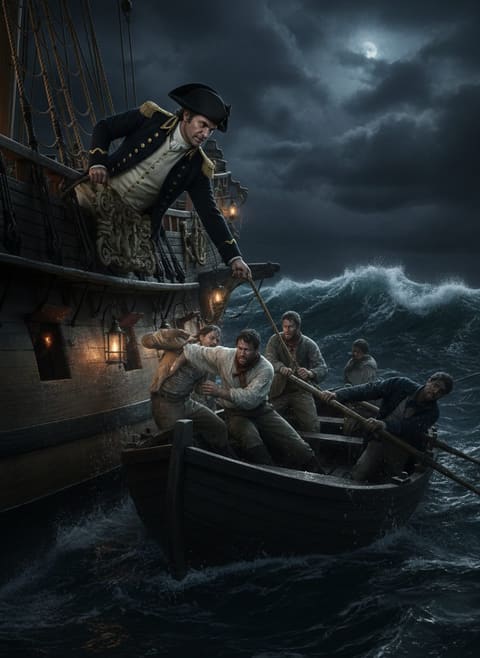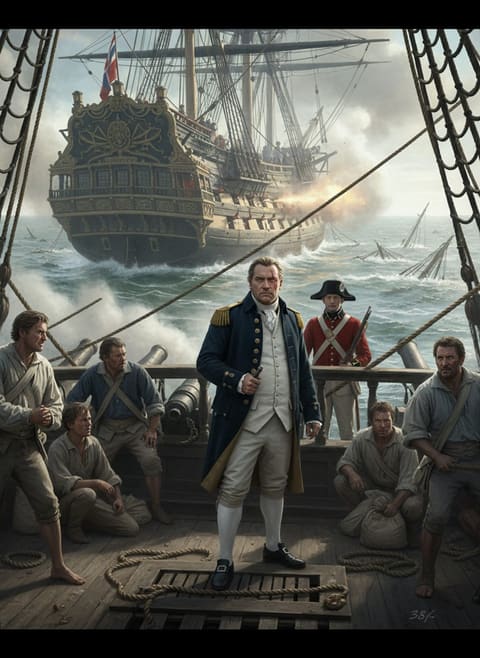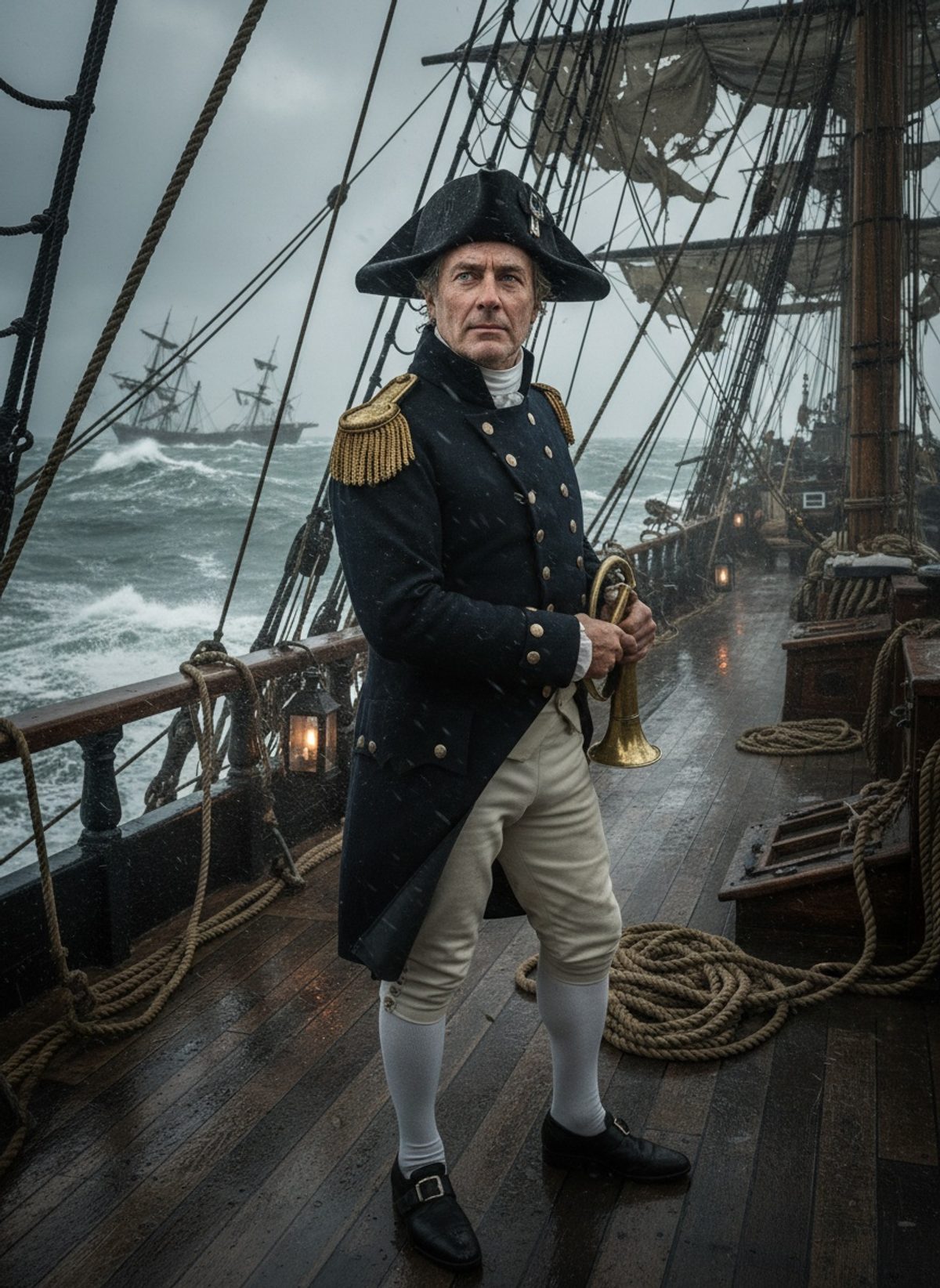
As the sun dipped below the stormy horizon, the Atlantic roared with the anger of a beast untamed. The seas were a maelstrom of towering waves and winds that screeched like banshees, their fury threatening to engulf all that lay in their path. It was October 1805, and mere hours after victory at the Battle of Trafalgar, the jubilant cheers of triumph had barely faded when they were replaced by cries of desperation. The mood aboard the British fleet shifted as they faced a new enemy, one far less predictable than the martial might of Napoleon's navy.
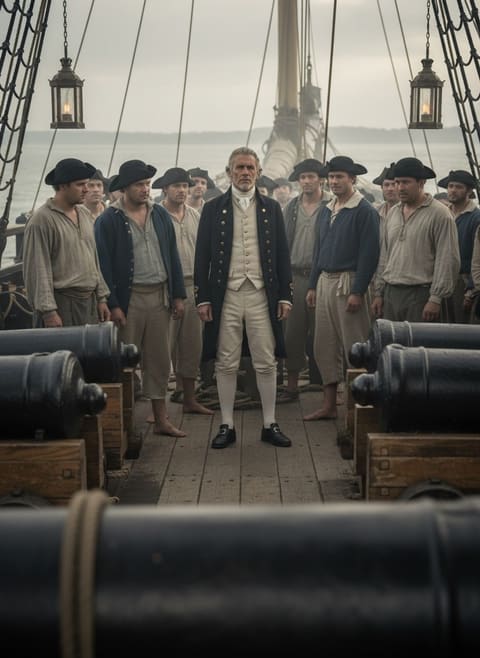
The air was thick with salt, each gust laden with sheets of icy spray that bit at the faces of exhausted sailors. Vice-Admiral Cuthbert Collingwood, now in command following the death of Lord Nelson, surveyed the remnants of his fleet. Victory had come at a staggering cost, not least the life of Britain's greatest naval hero, Horatio Nelson. With barely time to mourn, Collingwood faced an agonising decision as the fleet now battled not only sorrow but survival against an onslaught of nature.
Across the grey swells, ships rolled alarmingly, their timbers groaning under the strain of perilous seas. These vessels, many already battered from battle, carried not only British sailors but also thousands of captured French and Spanish prisoners. The bounty of Trafalgar was vast but fragile; each prize ship was a valuable testament to dominance upon the waves. But in the face of such a storm, they threatened to become vessels of death.
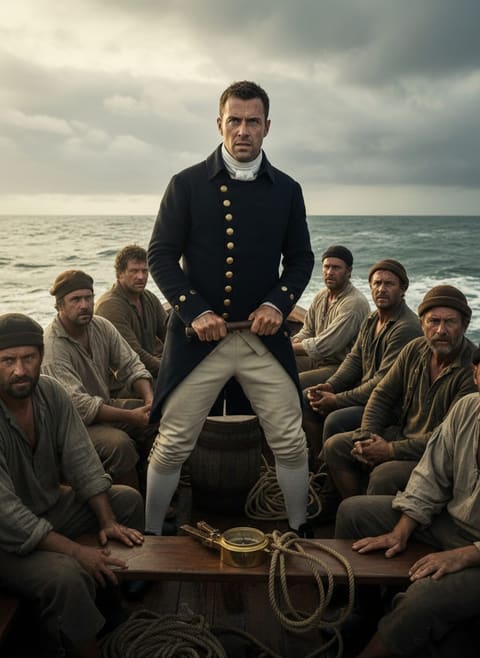
Collingwood, a seasoned sailor hardened by decades at sea, watched the horizon disappear behind sheets of rain. For him, the calculus was grimly clear. The men were his true concern, these fatigued souls who had already given blood and sweat in securing a decisive victory. As conditions worsened, the cruel reality cut through the chaos: to save his men, he must let go of their hard-won spoils.
Read next: The Day a British Admiral Freed a Fleet of Pressed Strangers
The decision demanded a steely resolve. Commanders signaled furiously between ships, torches flickering as every officer faced the arduous task to sever their prized prizes. Gunports echoed thunderously as masts and rigging were cut away to prevent capsizing, leaving the ships to drift helplessly. The agony of the loss was felt deeply, yet Collingwood's focus was steadfast on the lives he hoped to preserve.
For the sailors, this meant an arduous test of endurance as they clung to rain-slickened decks, pulling desperately at lines and sails with blistered hands. Each man swollen with exhaustion, fear, and determination—knowing that survival demanded his utmost. Doubt mingled with faith as they trusted in their commanders and each other, bonded by the raw experience of combat and nature’s wrath.
As dawn crept over the churning sea, the storm began to abate. The horizon, once a wall of darkness, broke into pale shades of hope and transparency. The men, fraught yet alive, saw the remnants of their fleet scattered. It was a sight which should have cast a shadow over a triumphant victory. However, it became instead a testament to enduring spirit and unity; the greater triumph lay in their shared struggle and survival against the cruel Atlantic.
Read next: The Day a Navy Captain Rowed Into a Storm to Save His Enemy
Back on land, Britain celebrated an epic naval victory, their hearts swelling with pride for Nelson’s final triumph. News of their loss would take time to surface, smothered by the immediate euphoria of conquest over Napoleon’s combined fleet. Yet out there, where the salt air stung and winds of memory took new forms, each sailor knew the quieter, profound sacrifice made for life and camaraderie.
Collingwood asked for little in the wake of Trafalgar’s storm and publicly claimed even less. The weight of decisions borne under those storm-driven nights remained a tempest within, private and profound. His legacy, overshadowed by Nelson’s brilliance, lay in the quieter virtues of leadership and responsibility. For those who survived, his choice was etched into the sinews of memory and the logbooks of every surviving ship.
Ultimately, this forgotten story reminds us that the true test of a leader often comes not in moments of glory, but in the shadows cast by duty and consequence. In those tempestuous waters off the coast of Spain, Collingwood chose life over prestige, a decision that speaks quietly through history. It reminds us that the echoes of true heroism oftentimes ride unnoticed among the tumult of grander tales. In those fleeting moments after victory, amid a raging gale, we find Collingwood’s enduring legacy: a tribute to the resilience and humanity at the heart of history's greatest struggles.