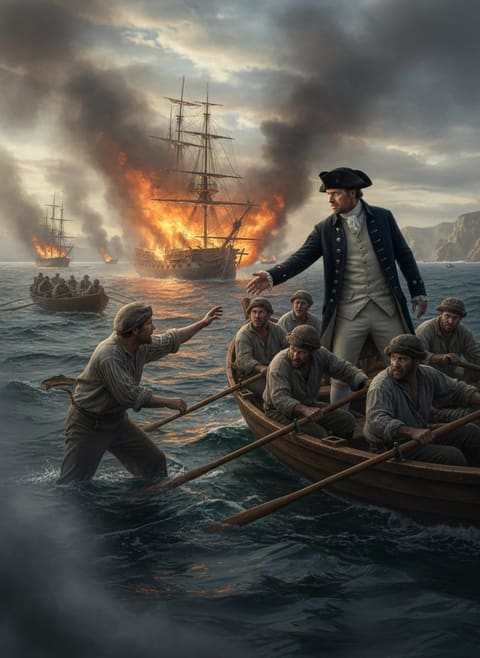
Britain's naval history is filled with gunpowder and conquest. Yet, Captain James Cook's defining moment involved neither cannon fire nor swords.
The Tension on the Shore
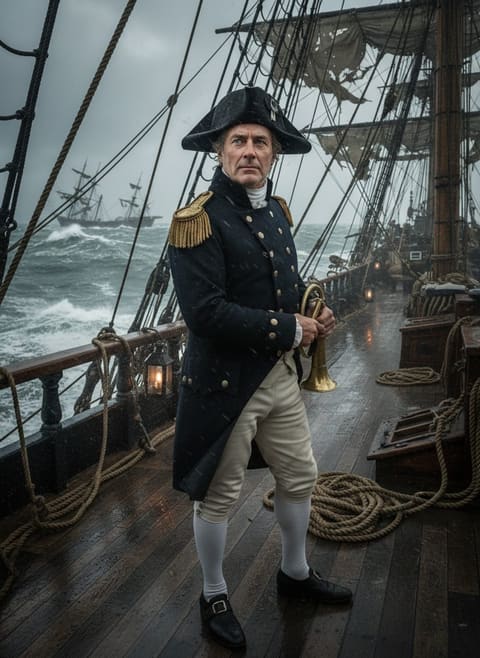
It was a day like no other on the shores of what we now call New Zealand. The year was 1770, and HMS Endeavour lay restless at anchor just off the coast. The ship had voyaged far under the meticulous command of Captain James Cook, a figure who would earn his place amongst Britain's greatest explorers. But on this day, it was not the sea challenging his leadership but the land and its people.
January saw the crew of the Endeavour conducting explorations on the islands’ shores. The native Māori, whose fierce warrior reputation echoed across the Pacific, regarded these strangers with a wary suspicion. Cook, aware of their reputation, approached the situation with a blend of curiosity and caution.
Their first contact was fraught with tension. Misunderstandings lay like traps, ready to be sprung by any ill-spoken word or misstepped foot. And on this particular day, the fuse was lit. A party of Cook's men, engaged in their scientific studies, found themselves encircled by a wary Māori war party. Spears were raised, and the air crackled with fear and hostility.
Read next: The Night a British Sailor Talked a Mutinous Fleet Back to Port
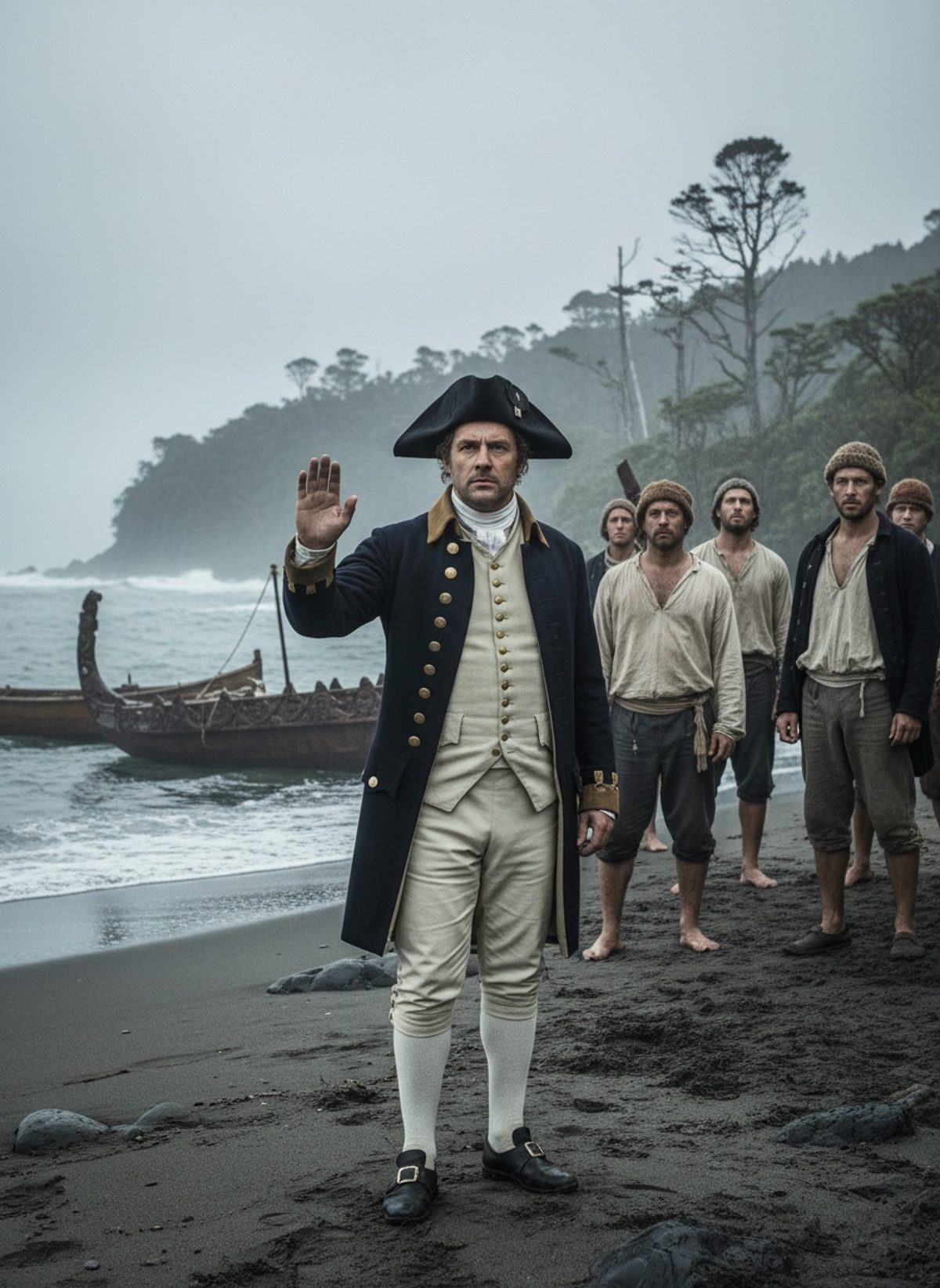
It was then that Cook, driven by both duty and a burgeoning respect for these lands and their inhabitants, decided to do what seemed unthinkable: he stepped forward alone. Up until this point, Cook's journeys were marked by discoveries and occasional skirmishes. But now, he faced a confrontation that could swiftly lead to the annihilation of his beach party or a bloody retribution upon the Māori.
The Stand Alone
Captain Cook was no stranger to peril, yet this was a moment different from the storms and reefs he had conquered at sea. Here, the tides of fate thrashed upon the human shore. Cook's decision to confront the situation unarmed spoke volumes. It was an act not guided by the bravery born from combat or conquest, but by a profound understanding and deep-seated respect for human life.
His approach was neither a bluff nor a display of bravado. Cook, under the watchful gaze of both his men and the determined Māori warriors, stood at a point where history could have dramatically altered course. The unyielding tranquility in his demeanor reflected an assurance that transcended language and culture.
No clever stratagem, no prearranged escape route. Instead, Cook simply trusted in his ability to communicate the desire for peace without a single word. One can only speculate what the Māori saw in that moment of stillness. Was it madness, or a raw, genuine expression borne out of respect?
Read next: The Day a Cornish Wrecker's Coast Got a Lighthouse It Hated
Mere minutes felt like hours as the silent communication resonated through Cook's determined poise and the tension-laden air. And perhaps, it was this quiet courage and unyielding presence that, somehow, reached across the cultural chasm. A decision was made, the Māori war party began to disperse as silently as they had gathered—both sides retreating, the promise of violence evaporating into the morning mist.
The Lasting Echo
The moonlit sands of that New Zealand beach remained unspoiled by bloodshed, a testament to Cook’s unexpected choice. The incident passed swiftly back into the ship’s logbook, a brief entry amongst the tales of exploration and danger. To Cook's contemporaries, it may have seemed an anomaly: a warrior's restraint where ferocity may have been expected. But its resonance reached far beyond the sphere of the Endeavour's immediate journey.
While the annals of history often glorify the triumph of empire and the spread of British naval might, this untold legend shows the potential for humanity and empathy amidst cross-cultural tensions. Captain Cook's actions on that day reflect possibilities too easily eclipsed by conquest and conflict. His decision to stand alone, unarmed, before a potential massacre speaks volumes about the choices available to mankind—choices that echo into our modern understanding of leadership and diplomacy.
In the world written by swords and cannons, Cook chose not to strike. The simplicity of his courage was profound. A fleeting incident in Cook's world-changing voyages became a powerful reminder that true bravery often lies in choosing peace over war. And perhaps, amidst the waves of history, that January day in 1770 left behind a whisper—a whisper that continues to remind us of the enduring strength found in restraint.