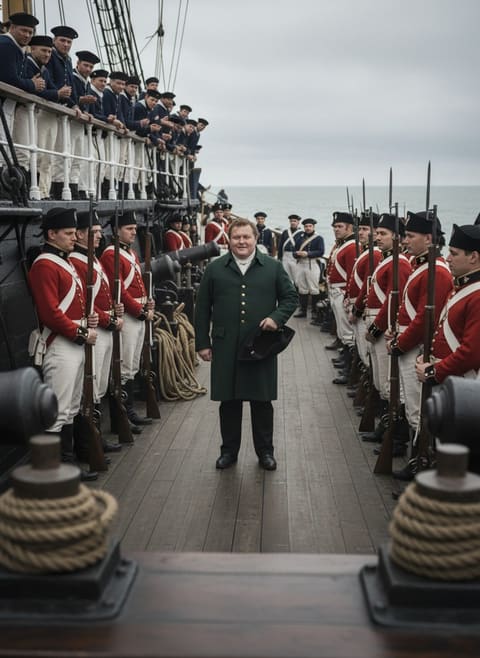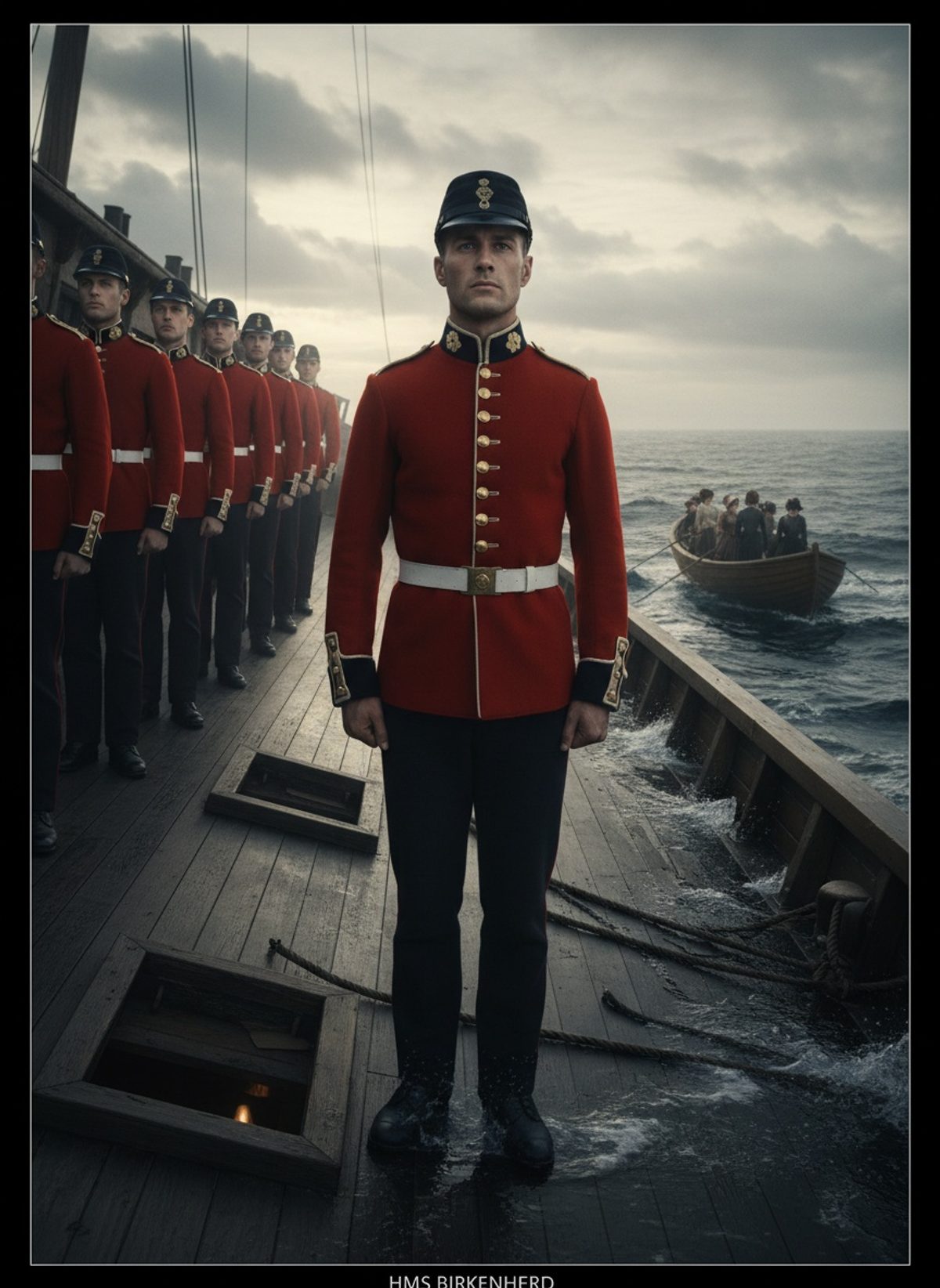
Their gallantry wasn't meant to make history. Yet here we are, remembering them. In the dead of night on February 1852, HMS Birkenhead struck a submerged rock off the Cape of Good Hope, shaking the rigid regime of a routine military transport voyage and etching a saga of stoic bravery into the annals of maritime legends.
The Ill-Fated Journey Begins
Journeying from Portsmouth with a mission to bolster forces against uprisings brewing in the Eastern Frontier, HMS Birkenhead was packed densely with over 600 souls, including troops, their families, and the ship’s crew. The mood was anticipatory, albeit fraught. The intricacies of maritime navigation always left an air soaked in mystery and risk. But on this February evening, when calm winds filled HMS Birkenhead's sails, no one aboard fathomed the imminent disaster that loomed beneath the dark waves.
Pressing forward relentlessly, navigating the volatile waters south of Africa, the ship sliced through the currents. Soldiers, many of whom were young recruits experiencing their first deep-sea voyage, found reprieve in routine or steeled themselves with thoughts of duty. Among them, the unflinching presence of families added a human candor to this martial crossing. Peace held its breath as twilight surrendered to a starlit night.
The Fatal Collision
Just off the perilous coast, the lurking rock made its strike. In an instant, the ship's ironclad hull was gouged, and chaos threatened to unravel the veneer of order. Engineers asleep in the ship's bowels were instantly awakened as the frigid ocean flooded in with an unrelenting ferocity, rendering the ballast rooms catacombs of doom.
Read next: The Day a Navy Captain Rowed Into a Storm to Save His Enemy
Panic had no chance to seed itself on the deck as orders were briskly barked—a testament to raw discipline. Reality hit hard; there weren't enough lifeboats. Choices had to be made, and swiftly. With a resolution unfathomable to modern sensibilities, Lieutenant-Colonel Seton, supported by Lieutenant Girardot and other officers, issued the directive that would immortalize this tragedy. Women and children first, the men must hold their positions.
Standing Fast: The Realities of Duty
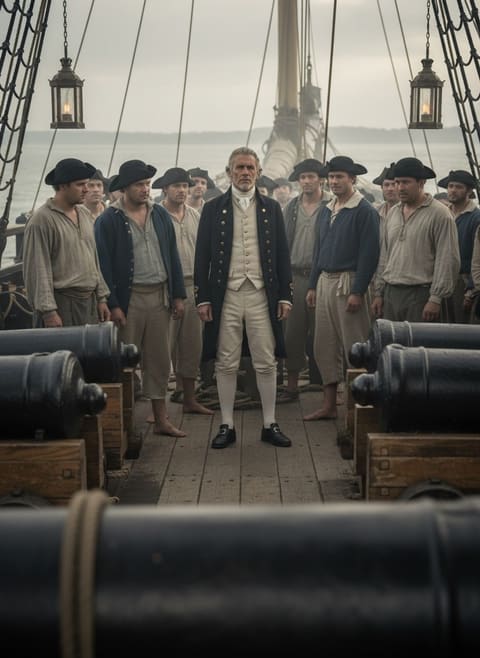
What unfolded next defied natural instinct. Soldiers aligned sharply, an image of martial grace set against a tempestuous backdrop. Arms rigid, faces stoic, hearts untouched by the creeping dread that surely lurked within. They watched as lifeboats, filled with the innocents, ferried to safer distances.
Led by a compulsion of honor and discipline, their valor intoxicated by the constraints of military orders and love for their kin, these men did the unthinkable. They stood in rank and file, becoming a bulwark of sacrifice so others could live. As the decks beneath them yielded to the cold embrace of the sea, this pared-back dignity of duty became both their epitaph and their torchbearer.
The Unseen Witnesses
The ocean itself became their only witness—indifferent, eternal. Brave souls locked arms, comforting each other, perhaps whispering hopes, dreams, prayers, as waves lathered around them. Death does not often permit dignity, but on this eerie night, it was bought dearly with the currency of courage.
Read next: The Day a Navy Captain Shielded a Slave Ship's Cargo
Accounts of miraculous rescues and the chaotic clamber for survival in the moments after the ship disappeared beneath the waves remain etched vividly in survivors' memories. Yet, the heroism exhibited still echoes louder than those cries of fear and faith combined. Captain Salmond, the ship's commanding officer, shared his fate with the rest, as expected of his charge.
A Lesson in Humanity
Despite the prelude of obscurity surrounding HMS Birkenhead, this tragic narrative conveys truths far beyond the solemn silence that eventually swallowed those resolute figures. The Birkenhead Drill, as it would later be enshrined, became a verb of supremacy over primal instincts and chaos. It revealed a timeless truth about the human spirit—that honor could hold stronger than the tides and self-preservation.
Years swept by like waves, eroding the rock but never the memory anchored in the bedrock of duty fulfilled. The men of HMS Birkenhead left a legacy that is not just remembered in maritime circles or military annals, but also in every instance the phrase "Women and children first" evokes nobility born of silent sacrifice. This is a story that reveals what it means to stand still amid the surging storm, and why—sometimes—it is not the victors in battle but those who perish without a fight that teach us how to live.