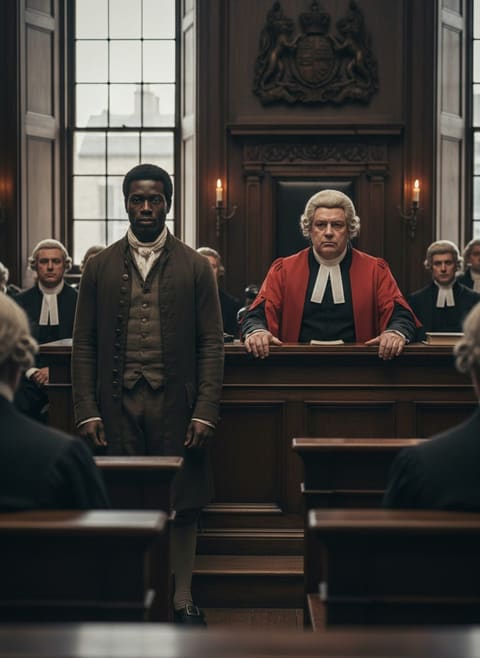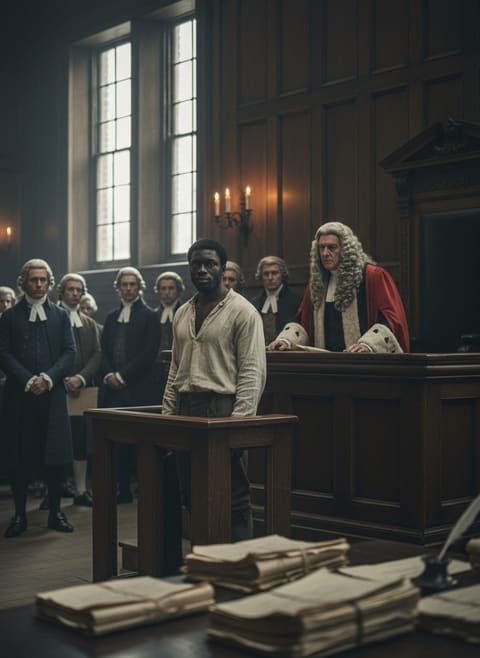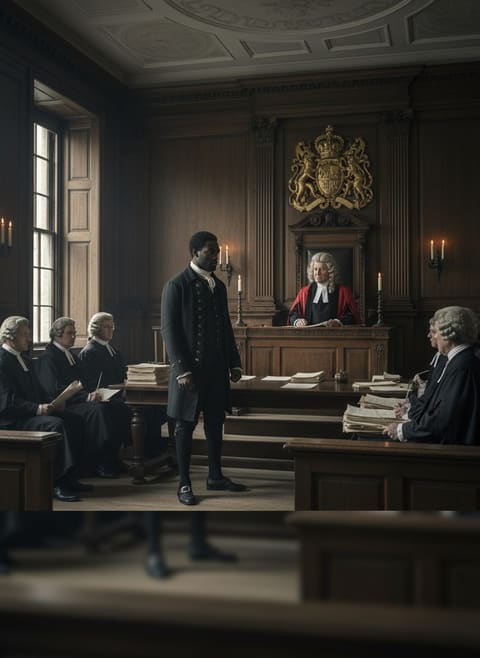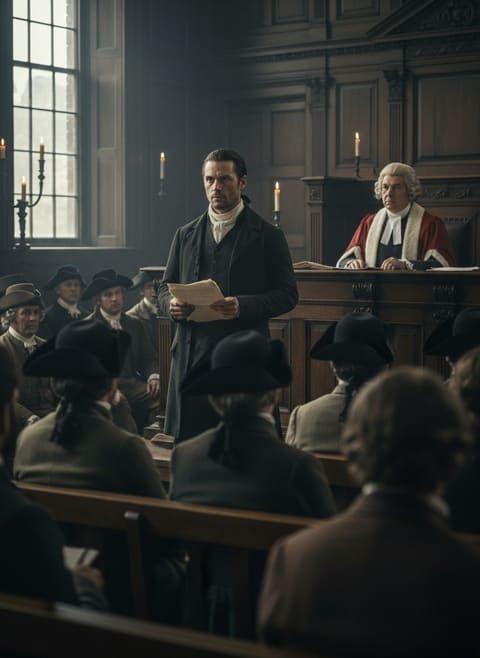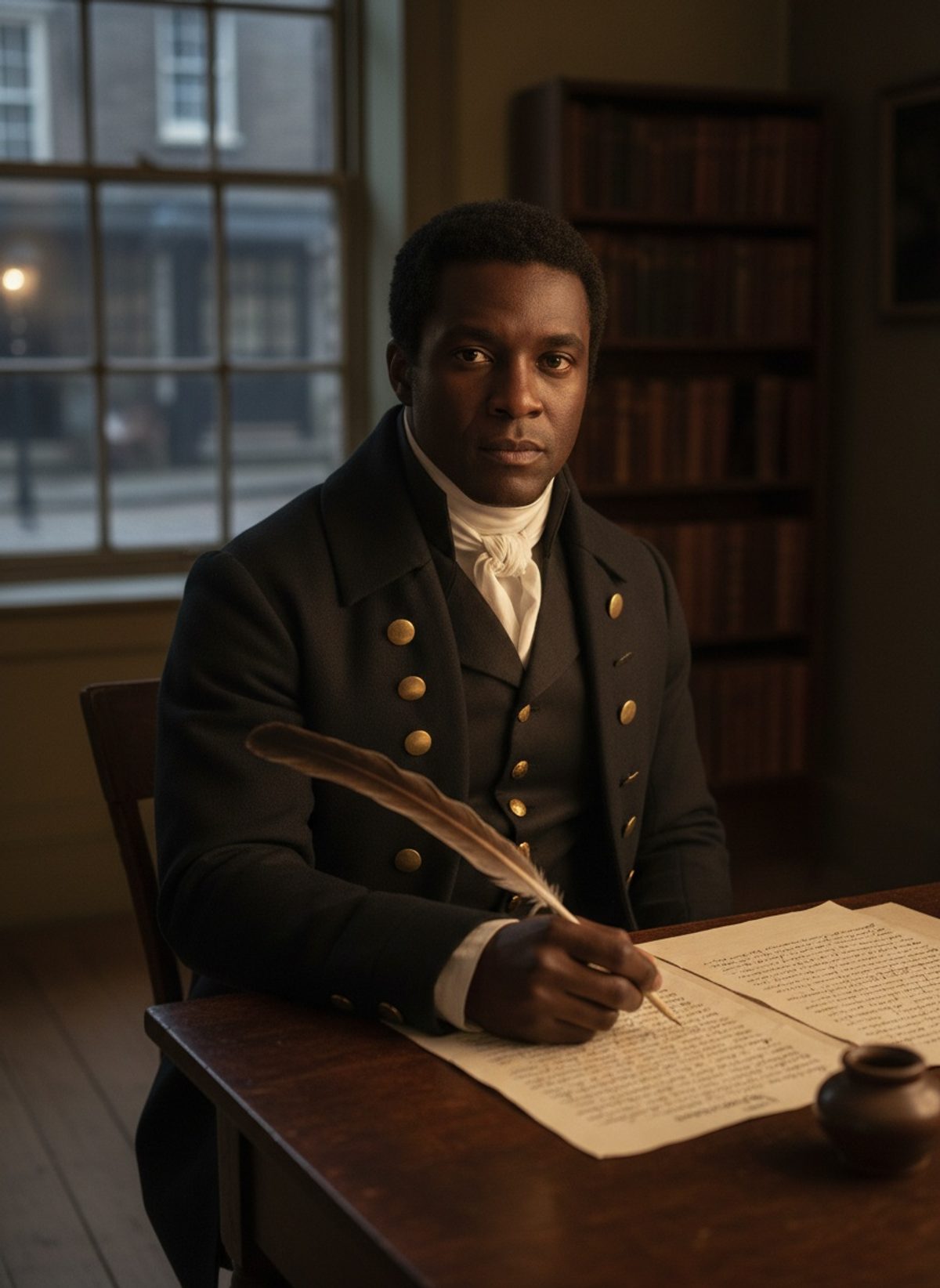
The morning mist lingered over London like a shroud in the early hours of a 1787 spring day. The cobblestone streets were damp, reflecting the weak light of a sun struggling to break free from the dreary British sky. The air was filled with the braying of horse-drawn carriages, and the distant clatter of boots on cobblestones mingled with the conversations of street vendors setting up for another busy day. Somewhere within this bustling metropolis, a man sat with a quill in his hand, poised to forever change the trajectory of his own life and the lives of millions. He was Olaudah Equiano, a former slave who had transcended the chains of his past to craft words as liberating as they were revolutionary. As Equiano prepared to write, he knew that the stakes were astronomical. This was not merely a personal narrative; it was a clarion call against a nation's moral failing, a trade in human lives that England had kept tucked beneath the veneer of commerce and tradition.
The Transformative Journey of Olaudah Equiano
In the world bustling with ships and overseas commerce, Olaudah Equiano's life began in a small African village that vanished like a shadow under the encompassing darkness of the transatlantic slave trade. It was this darkness that swallowed him too, turning his childhood into a maelstrom of uncertainty as he was thrust into a world much larger and more perilous than any child could fathom. Equiano experienced the harsh reality of being reduced to a commodity, bought and sold more times than he could count — a fate shared by too many.
His journey took him across three continents, an odyssey marked by both brutality and rare kindness. The slave ships he endured were blared with haunting cries and pervasive odors that would scar any soul, young or old. Yet, it was these ships that inadvertently expanded his world. Unlike many of his fellow captives, Equiano was afforded rare glimpses of education during his enslavement, learning to read and write — a remarkable fortune in a universe designed to silence voices like his own.
Perhaps it was fate that, after years of toil, negotiation, and an unyielding spirit, Equiano secured his freedom. Yet, this freedom was not an endpoint but a new beginning. Now a free man, he roved the streets of England, threading his experiences into a tapestry of survival stories. It was during this remarkable phase of his life that the seeds of his magnum opus took root. For Equiano, telling his story wasn't an act of remembrance but of rebellion against the dehumanizing institution of slavery itself. As he scribbled down his narrative, each stroke of his quill resonated with the echoes of those who could not speak for themselves.
Read next: The Day a Freed Slave Lectured Britain's Finest Minds
A Book That Captivated and Catalyzed
By 1789, with great tenacity, Equiano transformed his manuscript into a tangible force: a memoir that went beyond being a mere account of personal tribulations. *"The Interesting Narrative of the Life of Olaudah Equiano, or Gustavus Vassa, the African"* hit the shelves of Britain with a power that was unexpected and undeniable. The public, hungry for tales of exploration and exotic lands, found his account far more human and compelling than any novel that lined the bookstores.
The revelation that a former slave had not only learned to wield the English language with grace and eloquence but had also adeptly self-published his work was astonishing to the British audience. Equiano laid before his readers the stark and painful realities of slavery. He described the heart-wrenching separations, the claustrophobic conditions of the slave ships, and the ignoble lives forced upon countless Africans. But it was his tone — dignified yet unyielding — that transformed his narrative into a bold indictment of the institution Parliament had long sidestepped.
Sales soared as the nation grappled with the moral implications of its complicity. Equiano's book was more than a best-seller; it catalyzed debates in drawing rooms and Parliament alike. His words became a weapon against apathy, a script for abolition, prompting many to reassess their views and igniting the fight for the abolition of the slave trade.
Read next: The Winter That Broke Napoleon's Army of Portugal
The Echoing Impact Across Time
The impact of Equiano's story did not fade with the last turning page. Instead, it resonated, echoing through halls of power and into the hearts of the common populace. The Georgian era, with its strict social hierarchies, had never witnessed an emancipated slave confronting its ethical core with such poise and eloquence. It was a narrative that tore away the comfortable anonymity of economic complicity, forcing Britons to confront the grim particulars they had long kept in the peripheral vision of their prosperity.
Equiano's voice was a blaze that caught the tinder of emerging abolitionist sentiments. It helped sow the intellectual and emotional seeds for the eventual abolition of the transatlantic slave trade in 1807. For legislators and laypersons alike, reading Equiano was not merely an education in tragedy but an invitation to empathy and action. Years after his death, his words continued to ripple through society, prompting a reckoning that reshaped Britain’s moral landscape.
Today, Equiano’s narrative serves as a testament to the potent force of individual courage and the written word as instruments of change. In a world still grappling with the legacy of oppression, his story reverberates as both a history lesson and a clarion call for justice, equality, and human dignity. Here was a man born into the shadows of injustice, who used the light of truth to dispel them. In his journey from enslavement to literary liberation, Equiano taught us that the human spirit knows no chains, and in this liberation, perhaps we too find a pathway to our better selves.