November 29, 1781. The biting wind tore across the Atlantic Ocean, carrying with it a distant, terrible echo of human anguish.
The Sinister Calculus of Desperation
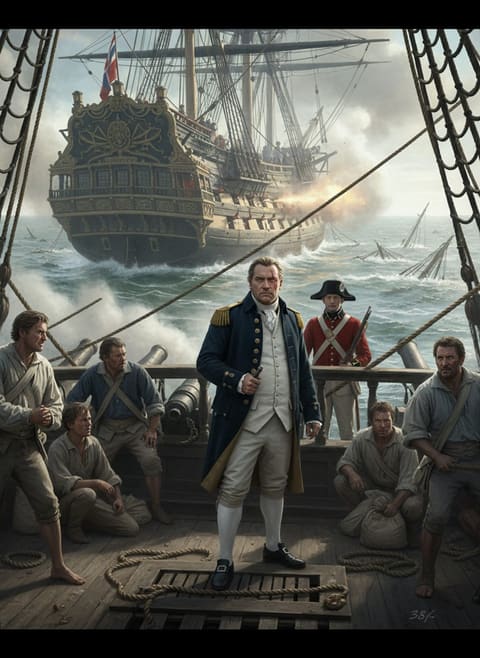
In the churning waters off the coast of Jamaica, the English slave ship Zong sailed ominously, her floundering hull concealing a monstrous secret. Just weeks prior, she had left the shores of Africa, laden not with goods, but with the freight of human lives. Packed beyond their capacity, 442 enslaved Africans were shackled into the cramped, airless space below decks, each mile swallowed beyond the horizon a step further from the land of their birth — a step deeper into the nightmare of their captivity.
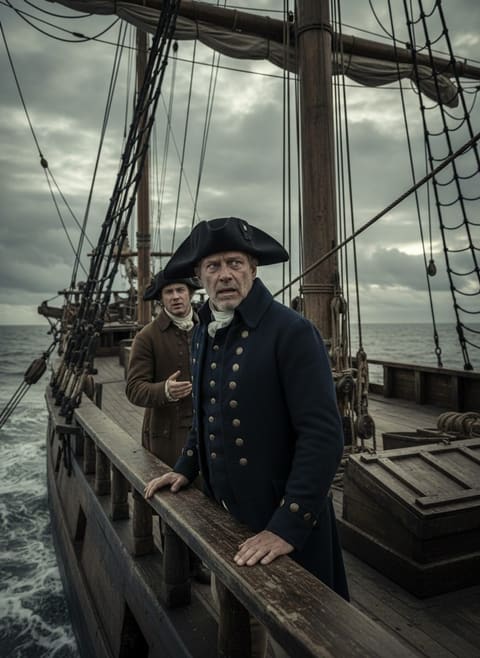
The Zong had been at sea for an exhaustive two months when calamity and cruelty intertwined in a desperate act. Captain Luke Collingwood, burdened by the misfortune of running short on water, convinced himself and his crew of a dread arithmetic — one that deemed the human cargo expendable in the face of financial recompense. It began with a single order, chilling and resolute. Trussed in chains, the enslaved were dragged on deck, then hurled overboard into the abyss.
It was an atrocity dressed as pragmatism, where 133 innocent souls met the depths in cold calculation. For every life extinguished, the ship's owners could demand recompense from their insurers. Yet this was more than an immoral claim on greed; it was a revelation of the dark mechanics at the heart of the slave trade. Human lives, reduced to mere entries in a ledger, discarded like refuse.
Read next: The Day William Bligh Faced His Crew and Would Not Break
Collingwood's narrative of necessity was, however, a grim legal farce. He reported the deaths as unavoidable and essential, a threadbare disguise for the intention rooted firmly in profit. In its cold arithmetic, the Zong massacre laid bare the stark cruelty entrenched in the very soul of the trade, its perpetrators shielded by systemic disregard for African lives. Little did they anticipate that one man's outrage would force their crime into the scorching light of public scrutiny.
The Voice That Would Not Be Silenced
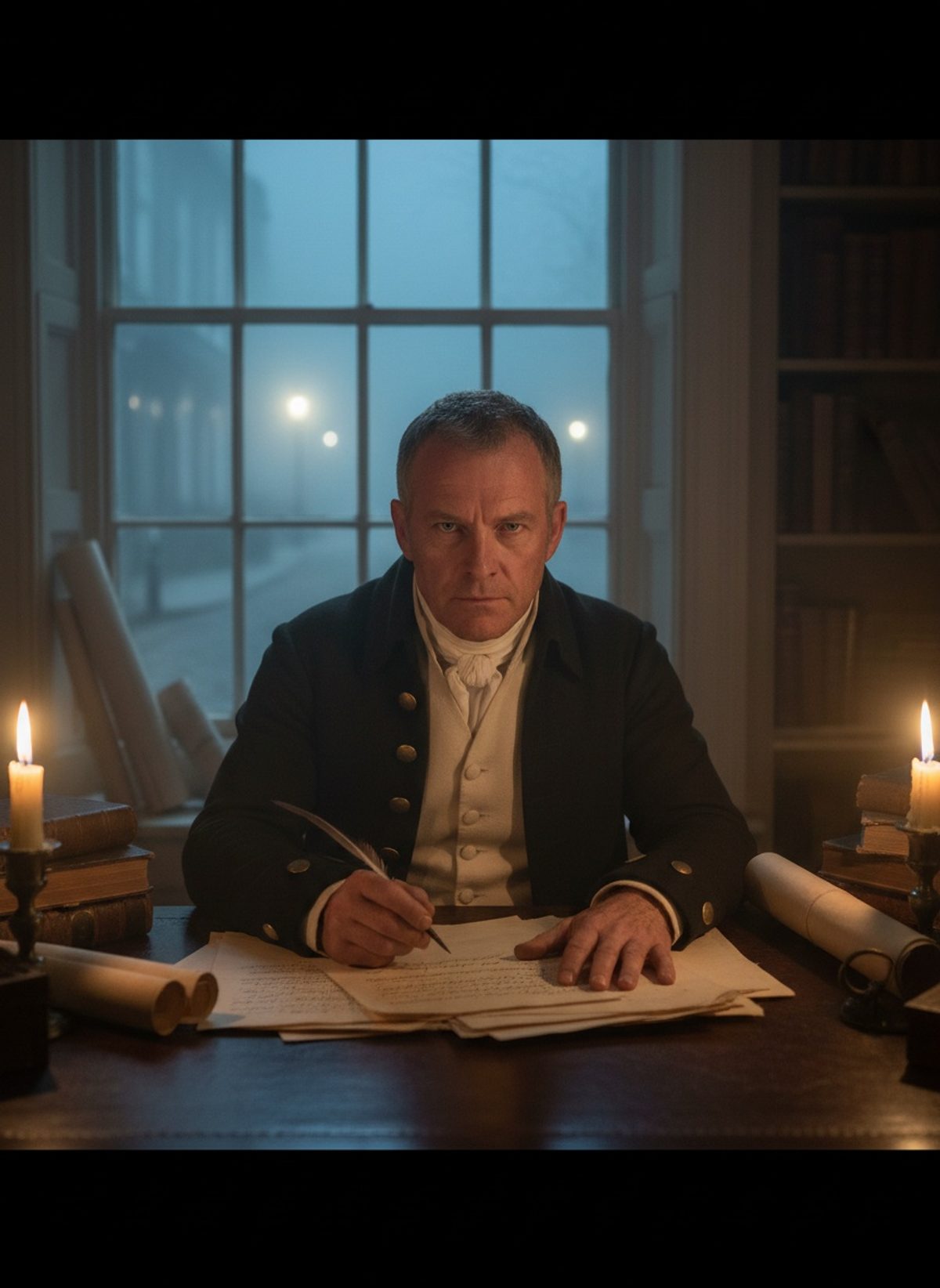
Enter Granville Sharp, a principled man whose conviction for justice reverberated through the bureaucratic labyrinth of the English legal system. An abolitionist by passion and a reformer by nature, Sharp was an eloquent voice against the brutalities of the slave trade. When whispers of the Zong tragedy reached his ears, he did not bow to the daunting magnitude of the legal obstacles ahead. Instead, his resolve solidified — this was a battle to confront, a moral outrage demanding redress.
Sharp’s task was Herculean, facing a judiciary steeped in its complicity with the slave trade. Yet, he had one powerful ally — public indignation, which, once ignited, could no longer be smothered. As Sharp moved to bring the case before the courts, he also catalyzed a seismic shift in public consciousness. The Zong incident, initially a sordid whisper among legal documents, burst into a thunderous roar of moral reckoning.
Undeterred by the initial setbacks, Sharp’s tenacity breathed life into the abolitionist movement. The courts predictably bogged the case down in legal jargon and mechanics. Collingwood was judged on financial loss, with hardly a moral question asked. But through press reports and pamphlets, the grotesque reality of the Zong massacre began to seep into the English consciousness. People could no longer turn a blind eye; they were forced to confront the appalling calculus equating human lives with monetary value.
Read next: The Day a British Captain Rowed Into the Dark to Feed His Enemy
The brutality of the incident laid the foundation for that growing clamor for change. Sharp emerged not only as a tenacious litigant but as a beacon rallying voices to echo his own. His relentless pursuit of justice transcended the immediate case itself, transforming him into a living symbol of the embryonic abolitionist movement. The horror of the Zong gave substance to his fervent appeals, wrapping his cries for justice in the undeniable evidence of human suffering.
The Ripple That Shook an Empire
Though the Zong case never directly rescued those souls cast adrift in the Atlantic, it unfastened something far greater — a burgeoning moral conscience among the British public. Its repercussions would ripple outward, eventually engulfing the slave trade itself in a tsunami of reform. The grim legacy of the Zong massacre, championed into infamy by Granville Sharp, laid groundwork that would later embolden figures such as William Wilberforce and Olaudah Equiano in their tireless fight for abolition.
Sharp’s battle was far from simple; the judiciary treated the murdered Africans as lost cargo rather than lost humanity. Yet, there was power in the revealing of horror, a hope in exposing atrocities that forced even the most willfully ignorant to confront uncomfortable truths. Public discourse gradually shifted, burdened by the weight of a moral obligation to address the scourge of slavery, igniting a movement that would crescendo with the Abolition of the Slave Trade Act in 1807.
The Zong tragedy, catastrophic and incomprehensible, served as a pivot point, inspiring a gnawing exigency for change. In the years that followed, Granville Sharp continued to harness this momentum, advocating tirelessly despite a backdrop of resistant institutions. The tale of the Zong became a scar but also a directive, marking a point in history where humanity dared to gaze into its own darkness and recoil.
Even today, the story serves as a haunting reminder of moral inflexion points. It demands reflection on how complacency can seed complicity, prompting introspection into what injustices today demand voices as relentless as Sharp’s. In a world still grappling with the longstanding shadows of its past, the massacre of the Zong remains not a tale of despair, but a testament to the profound capacity for humans to challenge the inertia of cruelty. It illustrates that the courage to confront horrid truths can, in the end, inspire a nation to alter its course.