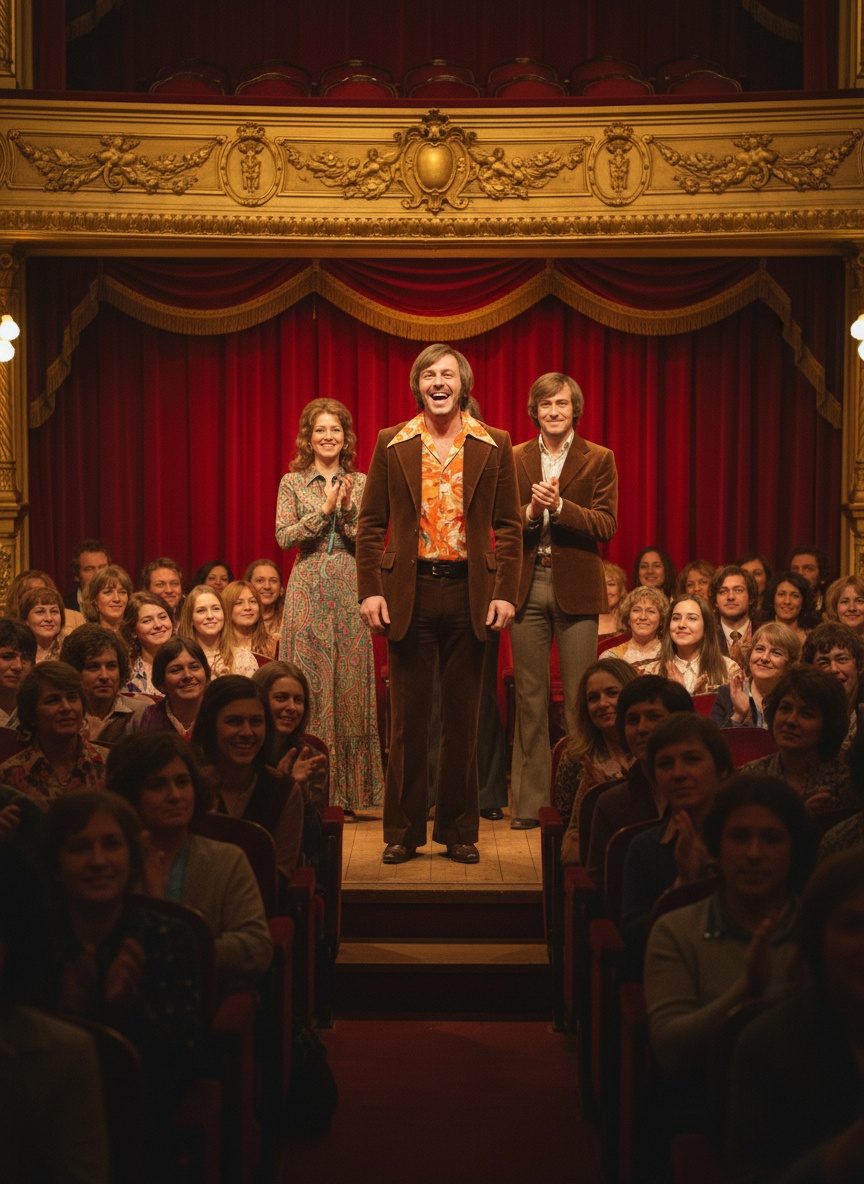
The chill of April lingered in the air as the final remnants of daylight faded over the city of Sunderland. The sun had long since ducked behind the silhouettes of the old buildings, and the streetlamps flickered to life, casting a soft glow on the cobblestones outside the Sunderland Empire Theatre. Inside, the echoes of anticipation mingled with the low murmur of the audience, the kind of buzz that builds up just before the curtain rises. It was the evening of 26 April 1976, and the packed theatre bristled with excitement, unaware of the tragic twist awaiting.
Sid James, a name synonymous with laughter for countless Britons, strode onto the stage with the ease of a man used to commanding attention. Born Solomon Joel Cohen in the sun-drenched lands of Johannesburg, South Africa, Sid’s journey to this very moment in Sunderland was one of remarkable transformation. He had arrived in Britain with little more than dreams and determination, navigating the rough seas of the entertainment industry until he became a national treasure. With his distinctive laugh that could fill a room, Sid had endeared himself to millions through a series of beloved performances, including nineteen of the notorious Carry On films, where he honed his craft in the time-honored British art of comedic timing.
This night was no different—or so it seemed. Sid took to the boards just as he had done countless times before. The audience, comfortable in the plush red seats of the Sunderland Empire, was eager for a dose of the humor that Sid effortlessly delivered. The atmosphere was thick with nostalgia and fondness—a feeling shared by those familiar with his cheeky grin and roguish charm. This was his element; performing was Sid’s lifeblood, and every jest and gesture was like second nature.
But the performance took an unexpected turn. As Sid crafted yet another comic moment, a scene designed to elicit laughter, he faltered. There was a sudden stillness, a hiccup in the rhythm of the act. For a few brief moments, the audience sat in rapt attention, suspecting that perhaps this was just another trick from the master comic. Yet, soon, it became clear that something was amiss. Sid had collapsed on the stage, his robust laugh silenced in an instant of tragic irony.
Read next: The Day a Cornish Surgeon Walked Into a Condemned Cell
In the chaos that ensued, it took a moment for reality to set in. The auditorium, filled moments before with the sound of laughter, now echoed with hushed whispers and concerned murmurs. A dedicated performer to the very end, Sid James had given everything to his audience that night. Despite the efforts of those around him, Sid never rose from that stage. At sixty-two, the curtain came down on his life in the same place he had delighted so many—a place filled with laughter and light, now holding an air of silent mourning.
To understand the significance of that night’s tragic events, one must consider the profound impact Sid James had on British popular culture. He was more than just an actor; he was an institution, a staple in households across the UK. His role in Bless This House, broadcast across six beloved series, showcased his ability to blend the mundane with the humorous, making everyday life a fertile ground for comedy. Sid had a relentless drive, a testament to his passion for the craft, which undoubtedly contributed to the depth of grief felt after his untimely demise.
Read next: The Day a Vicar's Son Walked Into a Debtor's Cell and Freed Them All
While fame found him in the theaters and on television, Sid’s roots lay in the world of gritty, working-class radio comedies, a far cry from the glamor of stage and screen. Starting with nothing but talent and determination, he crafted a career that spanned decades and influenced countless others in the industry. His laugh, a sound so ingrained in the collective consciousness of the nation, transcended the boundaries of his roles, becoming an echo of joy and joviality remembered even today.
The night Sid James died was a reminder of the ephemeral nature of life and laughter, a poignant moment marking the end of an era. The Sunderland Empire Theatre, now forever linked with this bittersweet history, continues to stand as a monument to the arts, holding within its walls the memories of countless performances. For those who witnessed that night, their lives had brushed against the fleeting brilliance of a man whose every breath was a dedication to bringing joy to others.
Reflecting on Sid James’ journey from the sunlit streets of Johannesburg to the heart of British comedy sheds light on the transformative power of entertainment. It borders on paradox how a man who brought so much happiness departed amidst laughter, leaving both joy and a deep sense of loss. The stories he told, the laughter he inspired, continue to resonate, threading through the fabric of cultural history like an indelible mark. The tale of Sid James reminds us that, while the spotlight may dim, the laughter echoes on, a testament to a life spent bringing light to others.