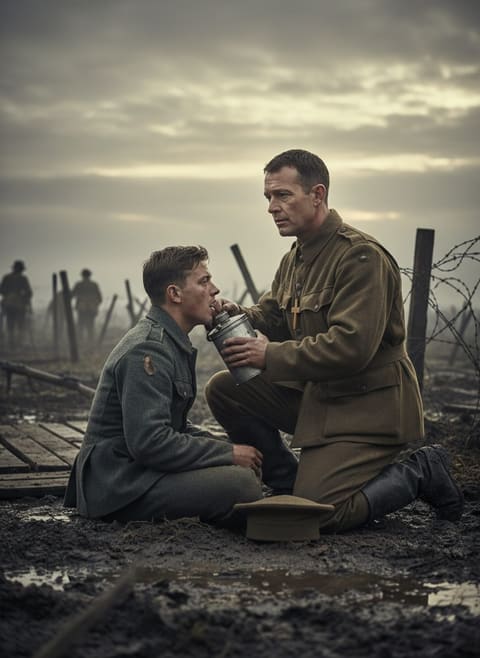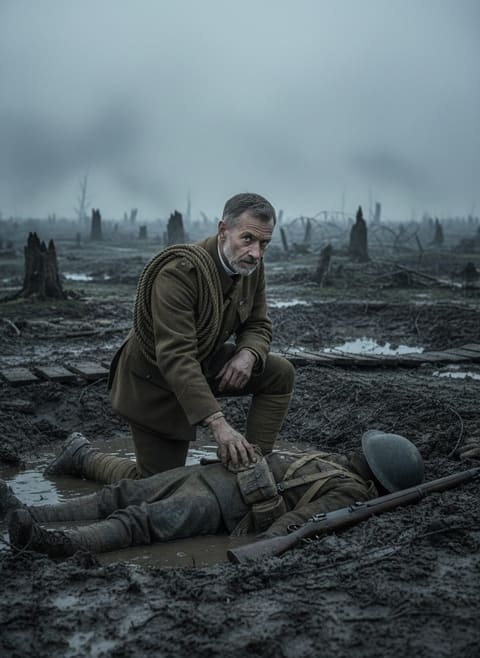
The idea that stopped a nation came from Cape Town, and reached the King through Sir Percy FitzPatrick.
The Spark from the Cape
In the heart of Cape Town, at precisely noon one day in May 1918, a cannon roared. This was no ordinary shot. It was the signal for the start of a silence that would speak louder than any words. For two minutes, the bustling streets of Cape Town stood perfectly still, as traffic halted, and people paused whatever they were doing. This orchestrated silence was the brainchild of two men, Councillor Robert Rutherford Brydone and Cape Town’s Mayor, Sir Harry Hands, who had just received news that his son, Reginald, had died after being gassed.
The concept was deceptively simple yet profound: one minute to give thanks for those who survived the horrors of war, and another to remember the sacrifices of those who did not. The eerie hush was a departure from the daily din, a moment where the reality of loss and gratitude could be truly felt. Not only did this pause resonate within the city, but news of it rippled across oceans to lands touched by the same war.
This Cape Town silence resonated deeply with Sir Percy FitzPatrick—a man of letters and commerce whose own son had been killed in the war. Like a ripple that grew into a tidal wave, FitzPatrick's passion would carry the seeds of this moment from the southern tip of Africa to the heart of the British Empire.
Read next: The Unknown Warrior Britain Buried Among Its Kings
The Monarch's Call
Fast forward to London, 7 November 1919. The war in Europe had ended a year prior, on the eleventh hour of the eleventh day of the eleventh month—a day forever etched in history as the end of the Great War. King George V, moved by FitzPatrick's proposition, made a historic proclamation: at 11am on 11 November, the people of Britain were to observe two minutes of silence. This was not merely a royal suggestion; it was a call for unity and remembrance across the land.
The King asked for what he described as "a complete suspension of all our normal activities." It was a national call to action—or rather, inaction—that would hold the entire British populace in a shared moment of introspection and respect. For a country still reeling from the emotional and physical scars of war, the silence was both a balm and a bond, bringing together city streets and countryside lanes in an unprecedented demonstration of unity.
People across the British Isles willingly embraced the call, preparing for this moment of collective reflection. It was to be steeped in the sentiment of gratitude and remembrance, echoing the practice that had taken root in Cape Town just the year before. The simplicity yet profundity of such a quiet act captured the hearts of millions.
The Nation at a Standstill
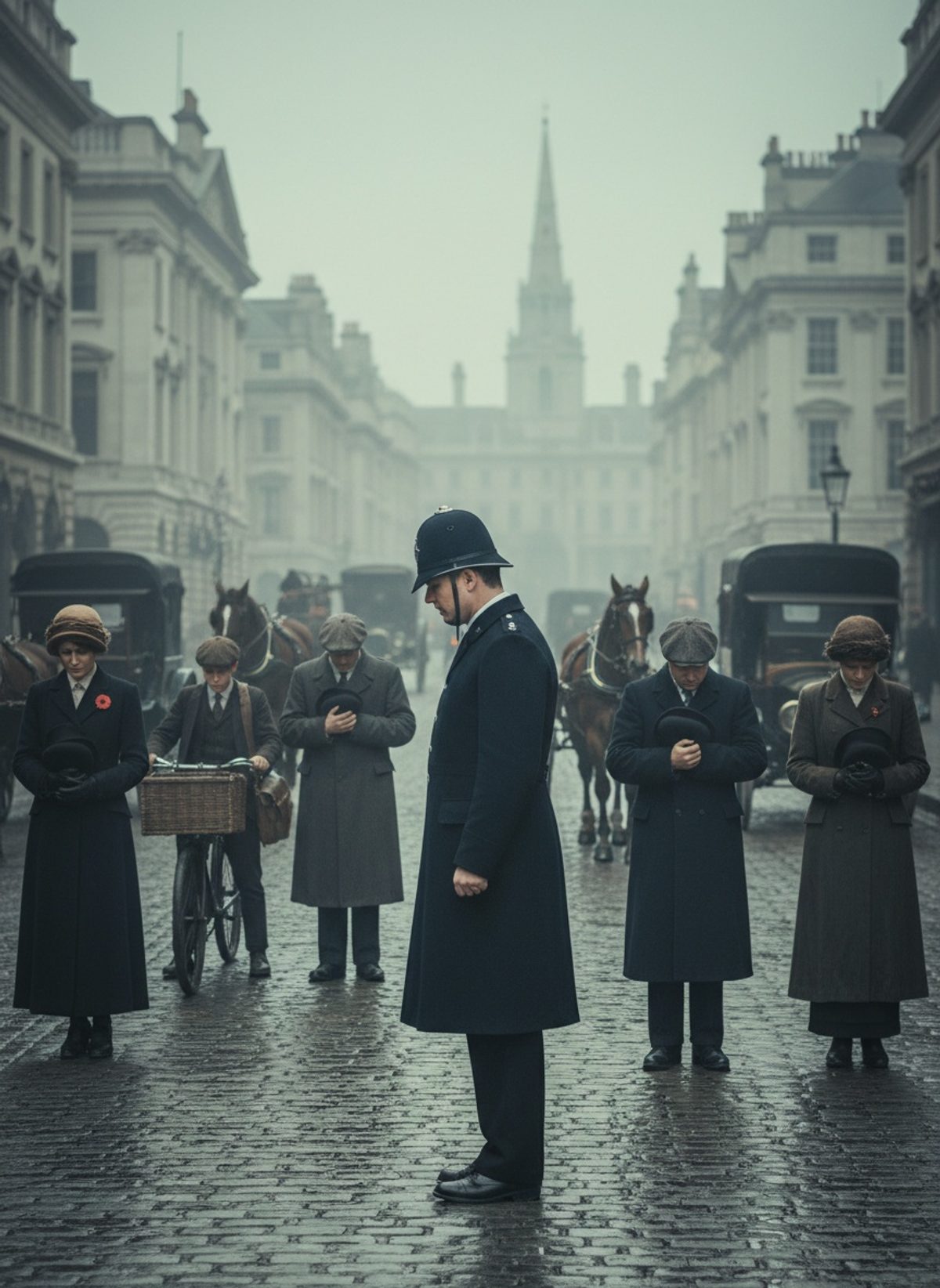
On the fateful November morning, as clocks ticked towards 11, the country prepared to pause. At the signal, all movement ceased. Picture the vibrancy of London—the whirl of carriages, the hum of markets, the chatter of the dockyards—fall to an eerie stillness. It was as if time itself had taken a breath.
Heads were bowed not as a gesture of defeat, but of remembrance and hope. It was a powerful silence, underlined by the memories of sons, brothers, and friends who would never return.
Read next: The Soldier Who Carried 300 Men From the Wire at Gallipoli
Gas lamps and early automobiles alike played witness to this deep, resonant quietude—a nation united not by noise or flag-waving, but by its absence of sound and the shared weight of memory. Workers across industries, from factories to fields, respected the silence, linking them to the trenches their own kin had endured so bravely.
Silence Echoing Through Time
King George V’s request in 1919 was not an isolated event. It sparked a tradition that would become an integral part of Remembrance Day ceremonies observed by millions each year. The silence is a testament to the enduring power of shared memory and the human need to honor the past. From its South African roots, the tradition weaves a narrative that spans continents and cultures, embodying a universal message of peace and reflection.
More than just remembrance, the silence represents a moment when individual stories and collective history intertwine, knitting the fallen with the living in a bond of respect and gratitude. Each year on 11 November, the eleventh hour echoes with quiet reverence, reminding us of the great rift of war and the fragile gift of peace.
The tradition marks the resilience of the human spirit, honoring sacrifice with the most solemn of gestures. In these moments, silence is not an absence, but a voice—a reminder that we are bound by history and memory, and it is our duty to remember. This national pause teaches us that sometimes, the most profound messages are those spoken in the quietude of mutual understanding.