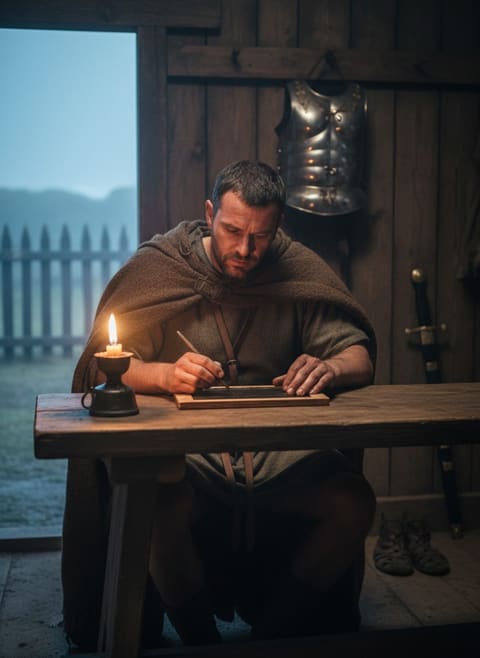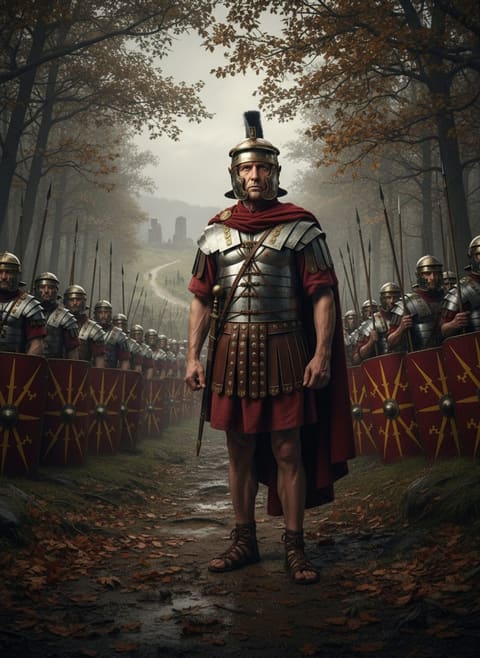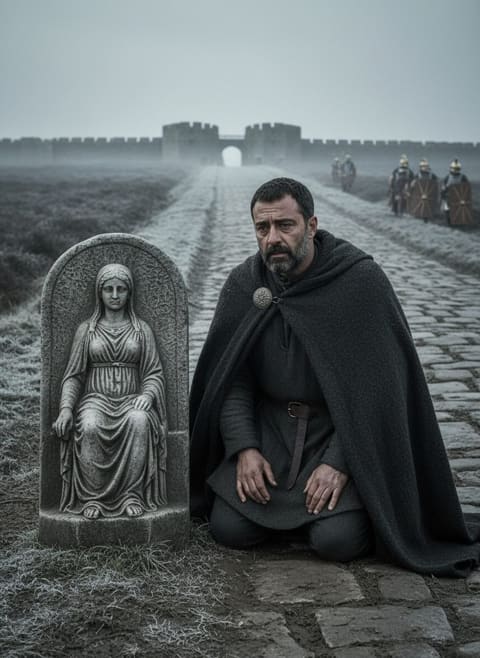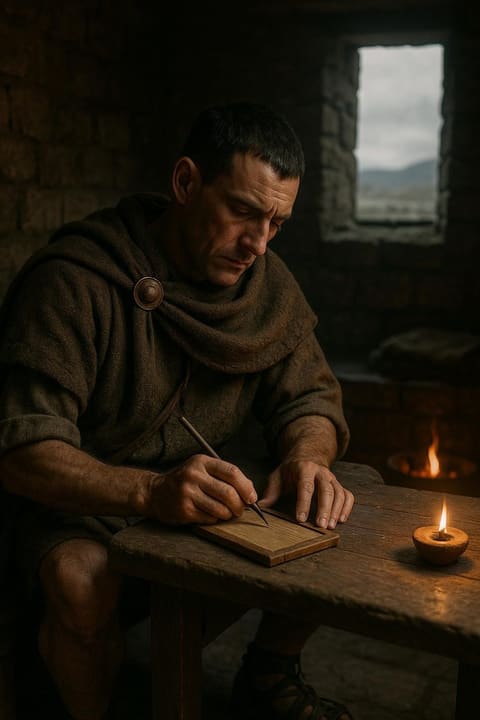
He was not just an obedient servant of the empire; Gnaeus Julius Agricola dared to defy its supreme ruler. The Roman general left something extraordinary behind as he departed: an enduring footprint on a land even Rome could not fully tame.
The Northern Frontier
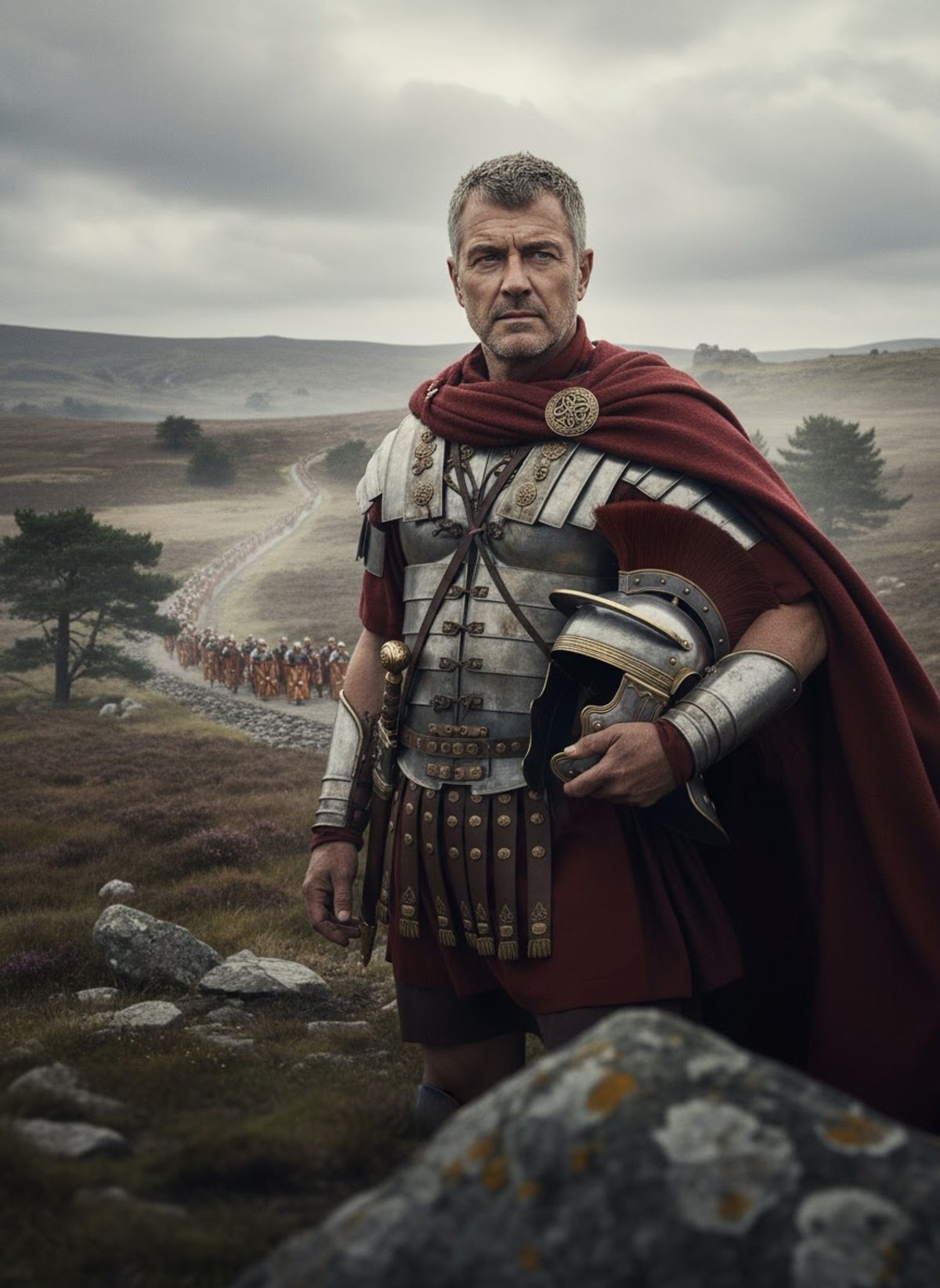
Agricola’s tenure as governor of Roman Britain was marked by ambition and daring. He commanded Rome's legions with precision and pushed the empire's reach to unprecedented territories. By 83 AD, he stood victorious at the Battle of Mons Graupius, a staggering feat at the very edge of the known world.
Despite this climactic victory, the emperor's recall came as a curious turning point. While most governors would heed such a call without question, Agricola left behind a blueprint for future expansion—a network of roads and forts extending deeper into the heart of what is now Scotland.
These military roads didn’t merely serve as logistical aids; they were arteries of control and integration. They facilitated movements, enabling quick deployments and maintaining pressure on the tribes north of Hadrian's eventual wall. More importantly, they laid the groundwork for a Roman presence that withstood centuries. Agricola’s vision anticipated a romanized Britain that nearly claimed the wild highlands as its own.
Read next: The Roman Soldier Who Carved His Name Into Hadrian's Wall
Questionable Orders, Unquestionable Legacy
The order to relinquish his command was not merely a routine transfer—it was a political maneuver by Emperor Domitian. Fearing the rising popularity and success of his general, Domitian recalled Agricola to prevent any threat to his power. However, what the emperor didn't foresee was the resilience of Agricola's impact. His strategy and infrastructure would echo, rendering Scotland’s tribes cautious and Rome's dreams of expansion perpetually possible.
Each fort Agricola established, from the outposts near present-day Perth to those nestled in the Highlands, symbolized Roman tenacity. Although many of these bastions later fell into disuse, they left imprints that survived in local geography and lore. Despite the Roman retreat, these architectural seeds fostered a long-lasting cultural influence, planting the notion of a unified land governed from afar.
Reverberations in Stone and Story
To understand the enduring nature of Agricola's contributions, one must walk along the remnants of his roads, which have transcended their original purpose. These pathways to progress fostered settlement and trade long after Roman legions withdrew. The melding of Roman military aptitude with local landscapes birthed a unique hybridity in culture that would endure fierce Norse raids and Saxon advances.
Consider the fortifications Agricola constructed; each stone whispered tales of forgotten skirmishes and strategic genius. Historians debate whether his campaigns truly aimed to conquer the northern tribes or merely contain them, yet one fact remains undisputed: Agricola's legacy in Britain is as much about his deviations as his conquests. By shaping the land with Roman ingenuity, he wove Rome's spirit into the very fabric of northern Britain.
Read next: The British King Who Walked Into Rome in Chains — and Won
Reflections of an Ambitious Empire
Agricola’s legacy in Britain serves not only as a historical footnote but as a reminder of Rome's imperial ambition and its ultimate fragility. His refusal to fully comply with the emperor’s call wasn't insubordination—it was a strategic enduring effort. Though Rome would eventually focus its attention elsewhere, Agricola's roads and forts left a tinderbox for future ambitions to ignite.
His decision to maintain a semblance of control over the northern territories signaled more than mere military opportunism—it was an act of foresight. In many ways, he defied the narrative of his own subordination, leaving behind a Scotland that was nearly Roman.
Agricola's story compels us to ponder the force of individual legacy amid the sweep of empires. A single commander’s vision can mold destinies, long after swords have rusted and mortar crumbled. The ghost of Rome's ambition persists, embedded in the stone and spirit of Britain's far north.