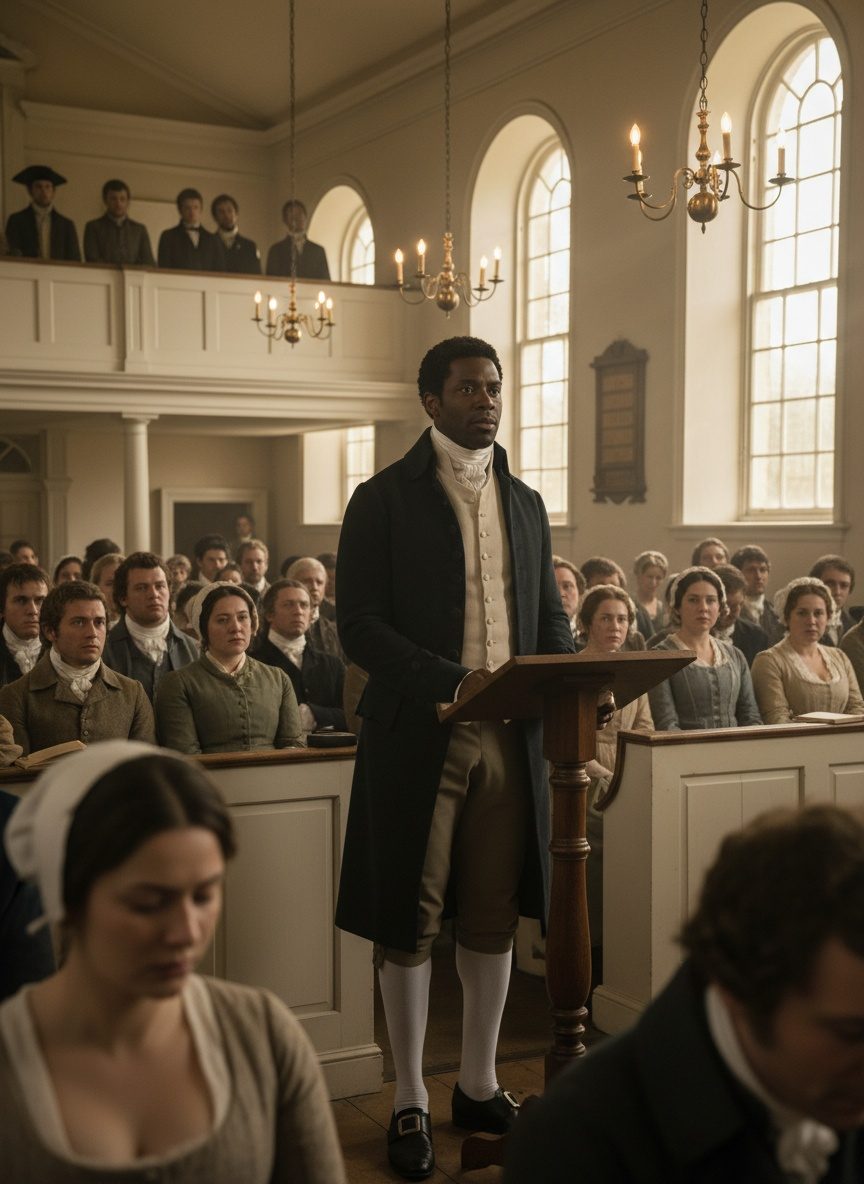
Bristol is often overlooked in the grand tale of historical change. Yet, on one particular day in 1787, the heart of this bustling port city became the quiet pulse of a burgeoning revolution in thought and empathy.
The Struggle Within the Chains
Olaudah Equiano was not just a former slave; he was a testament to the indomitable human spirit. Born in what is now Nigeria, Equiano was kidnapped at the age of 11 and sold into a life of slavery across the seas. Over the years, he endured the brutalities and injustices that came with being traded like a mere commodity across three continents. He served on ships, toiled under masters, and managed the unimaginable—surviving the Middle Passage.
Yet, even in the depths of his enslavement, Equiano was not resigned to a life without hope. He diligently saved his earnings and purchased his own freedom—a feat remarkable not only for its economic feat but for the audacity of its belief. He transcended his chains, both literal and metaphorical, investing in education, penning his autobiography, and advocating for the rights of those still bound by bondage. His narrative was more than just his flesh and blood; it was inked into history, speaking to a global audience about the urgencies of humanity.
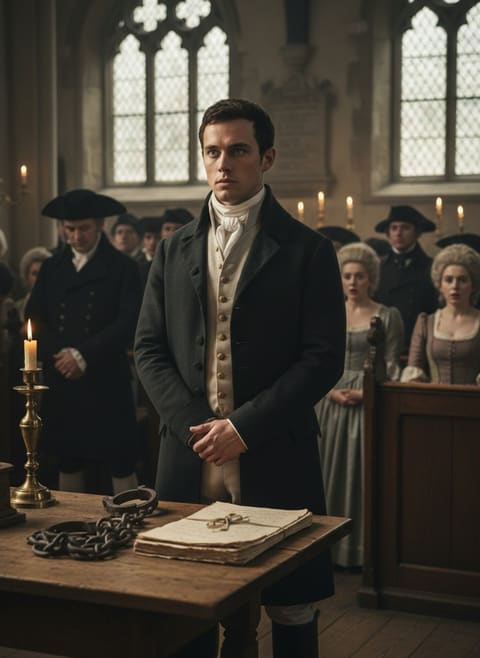
By the time Equiano stood before the congregation in the Bristol church, he had forged a voice stronger than any chain. He wielded his experiences like a sword, cutting through societal apathy and ignorance. Here was a man who had lived the brutal tale of human exploitation, yet who chose to share his story not for personal gain but to unite hearts in a common cause. The church, once a bastion of silent complicity, became an unexpected stage for transformation.
Read next: The Day a Black Sailor Walked Into Court and Freed Himself
The Church and the Conscience
On that fateful day, the air in the church was thick with anticipation. Those gathered were not prepared for what they were about to hear. Equiano stood at the pulpit, a free man yet visibly burdened by the weight of his past. The congregation at first sat stiffly, perhaps unsure of how they would react to a man who had once been considered property standing before them as an equal. As Equiano began to recount his harrowing experiences, the room fell into a hush. His words were neither embellished nor exaggerated—they were a stark, visceral portrait of reality that demanded the congregation's undivided attention.
Equiano's eloquence pierced the collective conscience of those present. As he described the horrors of the slave ships, the tight confines, the unendurable stench, and the cries of despair, many were moved to tears. This wasn't just a speech; it was a window into the horrific realities that many in Britain were complicit in perpetuating, knowingly or unknowingly. Against the backdrop of stained glass and solemn pews, Equiano dared to dismantle the perception of slavery as a distant, disembodied institution and frame it instead as a poignant human tragedy.
The transformation within those walls was palpable. In the heart of a city that thrived on the profits of the slave trade, gathered amidst those very supporters, Equiano planted seeds of change. His words were a catalyst, sparking the moral imperative that would contribute to the abolitionist cause. The church, usually a place of spiritual refuge, became a crucible of conscience and courage.
Ripples of Change
The impact of Equiano's story did not end within the church walls. His autobiography, published in 1789, became an essential piece of abolitionist literature, weaving its way into the minds and hearts of readers across Britain and beyond. Equiano did more than share his life; he provided ammunition for a moral struggle, offering undeniable evidence that would undermine the justifications of those who favored the continuation of slavery.
Read next: The Day a London Clerk Walked Into Court for a Dying Slave
The narrative of Olaudah Equiano resonated not just because of the gravity of its content but also the undeniable truth of its existence. It whispered the sad but earnest confession of a nation beginning to look itself in the mirror and question the reflection. Those who heard him speak in Bristol were among the first converts in what would become a growing, unstoppable movement towards abolition.
The tides were turning. The fight was far from over, with the abolition of slavery in the British Empire still decades away. However, the resolve that Equiano inspired was instrumental in shaping a narrative that demanded justice and nurtured compassion. He articulated a truth that became impossible to ignore, forcing British society to rethink its values and actions.
As the echoes of Equiano’s courage reached the ears of influential voices, his story became entwined with history itself. It served as a reminder that the power of change often begins with a single voice against a whirlwind of indifference. His was a voice that defied convention, and it rippled through the fabric of time, urging us to look beyond our immediate comfort and strive for a more equitable existence. Ultimately, the day Olaudah Equiano spoke up in a Bristol church was not just a historical event but an awakening call for humanity to rally against injustice wherever it dwelt.