He was an Athenian general wise enough to suggest the unthinkable. Themistocles knew that abandoning Athens was the only way to save Greece.
The Unseen Wisdom of Themistocles
In the early fifth century BCE, with the menace of the Persian Empire looming over Greece like an ominous storm cloud, one would expect Athens to be steadfast in defending its hallowed grounds. Instead, Themistocles, a military leader of unexpected audacity, envisioned a future that required temporary sacrifice for long-term victory. He proposed that Athens should be abandoned, the city left empty of its defenders and inhabitants—a plan so outrageous that it would have been deemed traitorous under less desperate circumstances. Yet, Themistocles was neither a traitor nor a madman; he was a visionary with an unparalleled sense of strategic acumen.
The Persian king Xerxes, with what seemed an inexhaustible army at his command, was marching towards Athens with an intent clear to the Hellenic world: revenge for the Persian defeat at Marathon and the complete subjugation of Greece. Facing such an overwhelming force, many Greek cities had already submitted or were gravitating towards surrender. But Themistocles perceived the Persians’ Achilles' heel—the very size and presumed strength of their forces could be turned into a liability.
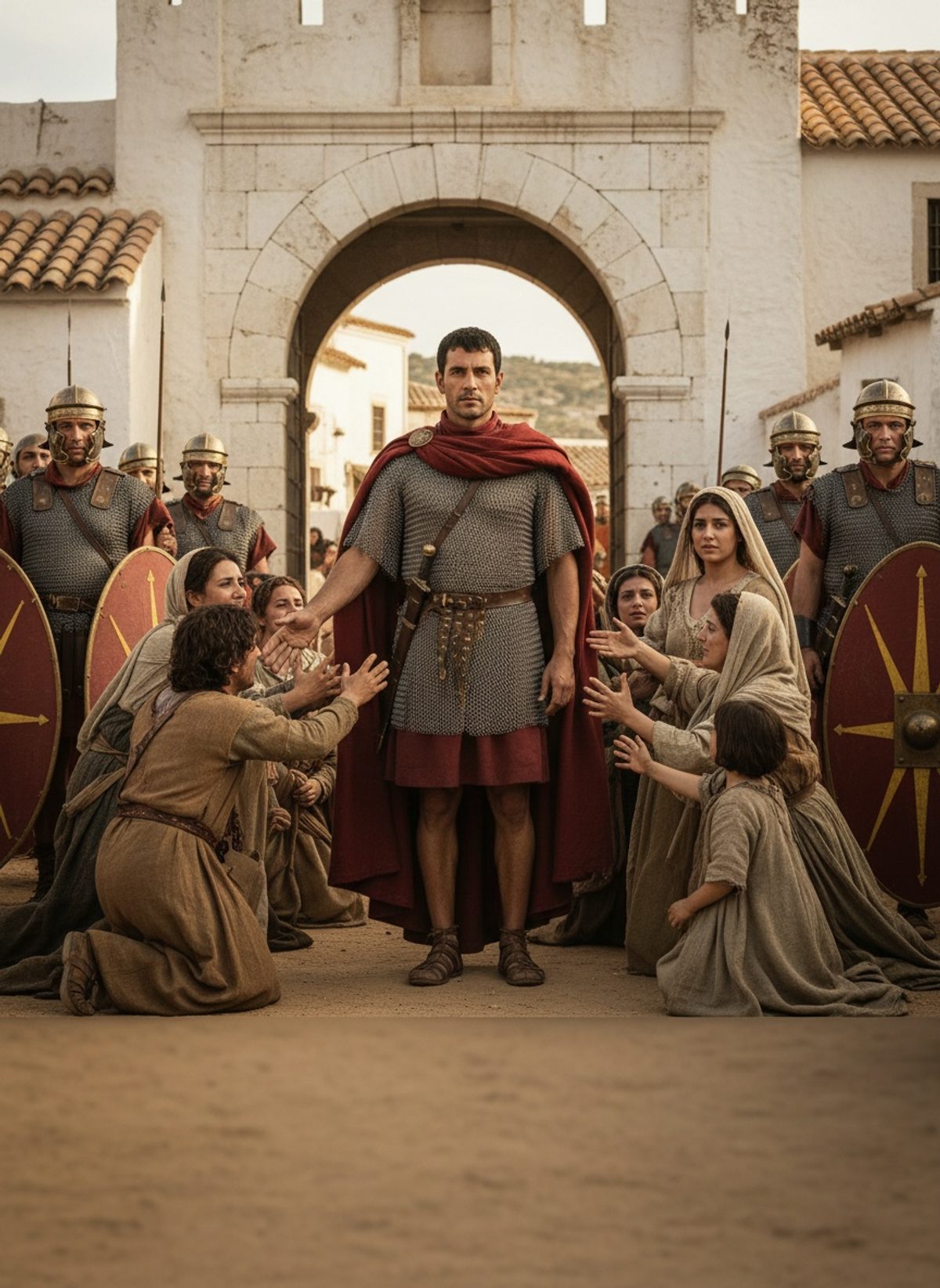
The key lay in the naval arenas, where Athens had been steadily building its might, spurred on by Themistocles himself. Under his guidance, Athens had invested in the construction of a formidable fleet, prioritizing swift triremes that could maneuver deftly in the narrow straits of Greece's jagged coastline. As Xerxes approached, the Athenian leader's gamble was set into motion—a city evacuated, its people seeking refuge in Salamis, safe behind the naval power Themistocles had orchestrated with such foresight.
Read next: Lauren Grandcolas Called Home. She Said She Was Fine.
The Ingenious Trap at Salamis
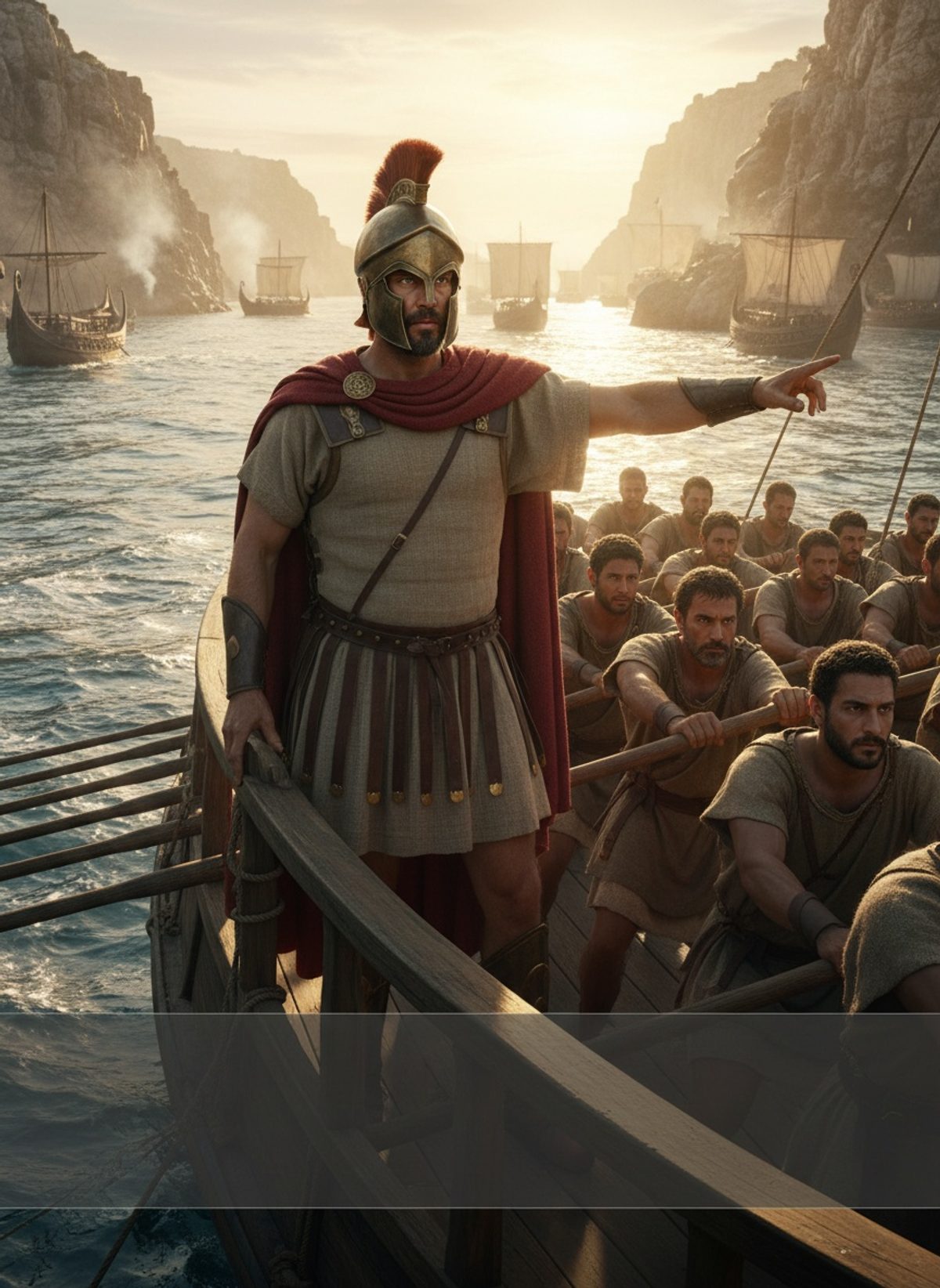
Amidst the confusion and despair that a mass evacuation of Athens engendered, Themistocles' strategy materialized in a tension-filled encounter in the waters off Salamis. With Athens abandoned, the Persian forces pushed forward, only to encounter an unparalleled disruption of their vast fleet’s capabilities in the narrow, restricted passages Themistocles had chosen for the conflict. Like a master chess player, he anticipated each move his opponent might make, and the strait at Salamis was the perfect board on which this game would be won.
The Persian ships, massive and numerous, found themselves unable to deploy their numerical advantage effectively. The bottleneck of the straits nullified the strengths of the larger navy, making their sheer numbers a hindrance rather than an asset. The smaller, agile vessels of the Greek fleet, many under Athenian command, had the upper hand. The triremes, darting in and out of the congestion, attacked with a ferocity and precision that the enclosed waters amplified, echoing confusion across the Persian ranks.
In the chaos, Themistocles’ prior cunning played to perfection. Beyond physical battles, he used psychological warfare—sending messages to Xerxes that hinted at a Greek division to further fuel the Persians' overconfidence. Themistocles crafted an illusion of potential betrayal and confusion among the Greek ranks. His orchestration of these false signals made Xerxes believe his adversaries were disunited, a masterstroke that lured the Persian navy into the Athenian web.
When the sun set over Salamis, the waters were strewn with the debris of victory—Persian ships capsized, hoarding an armada undone by its own magnitude. The fleet that had seemed invincible was in disarray, and Greece was safe for a time, breathlessly grateful for the unorthodox wisdom of Themistocles.
The Unexpected Consequence of Abandonment
In one of history's ironies, it was the abandonment of Athens that came to symbolize the preservation of an entire culture. Themistocles’ actions had more than military implications; they underscored a shift in the conception of homeland and belonging, centered less on the geographic and more on the unified will of its people. The Athenians’ willingness to leave their homes, trusting in Themistocles' strategy, embodied the collective spirit that has defined human survival and resistance throughout history.
This was not merely about saving Athens from immediate destruction but securing a sustainable future for Greek civilization as a whole. The victory at Salamis turned the tide of the Greco-Persian Wars and preserved the independence of the Greek city-states, enabling the continued flourishing of a civilization whose philosophies, sciences, and arts would lay foundations for the Western world. Without Themistocles’ decisive choice, the cultural and intellectual legacy of Greece might have vanished beneath the weight of Persian hegemony.
The pages of history often highlight the battles, the strategies, the leaders, but in Themistocles' tale, it is also important to recognize the blend of gamble and genius, the strength of collective action over individual valor. His decision to abandon Athens was not just about military tactics; it was about redefining the ideas of protection and perseverance. As the test of time has shown, sometimes stepping back is the boldest step forward.