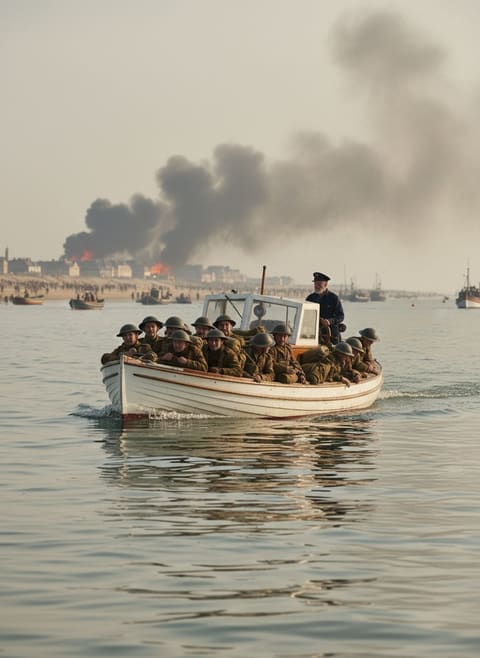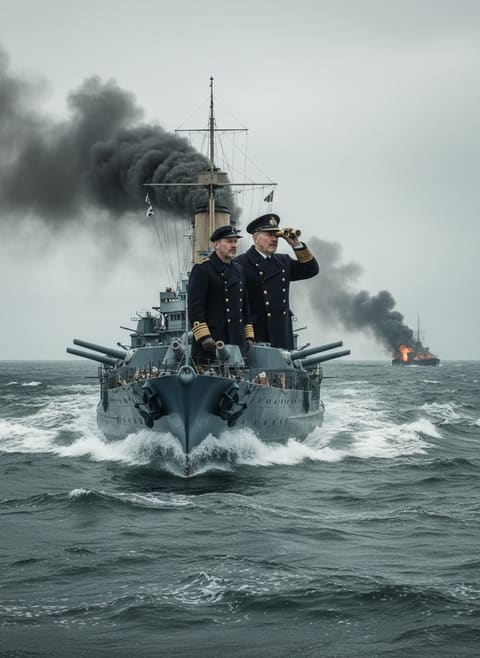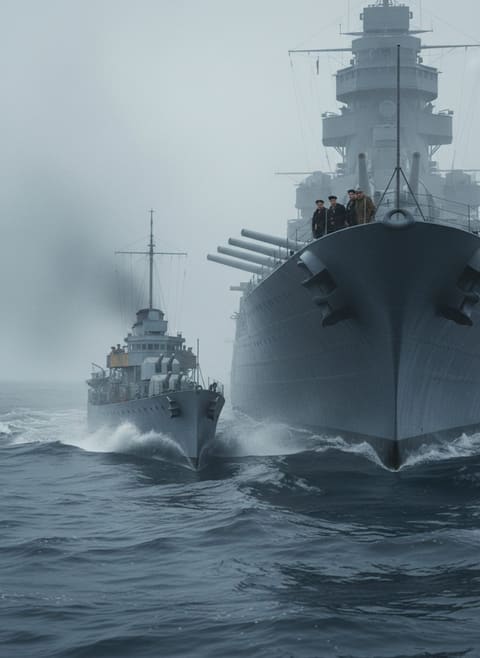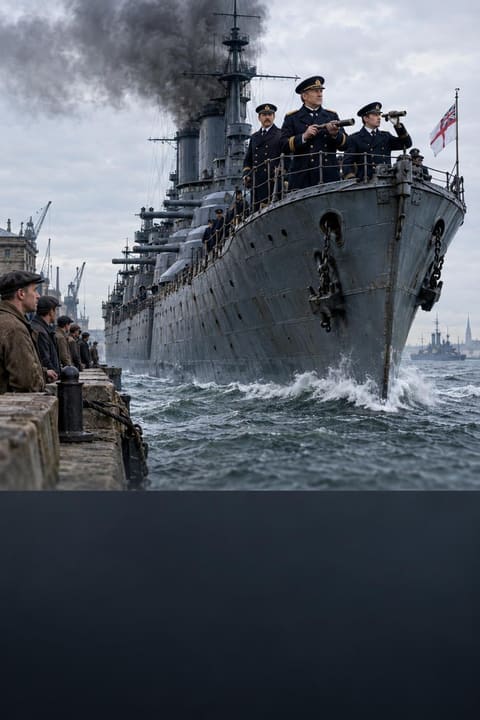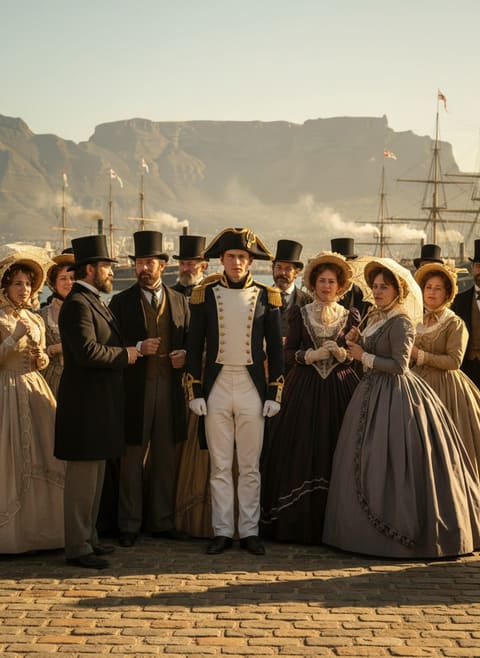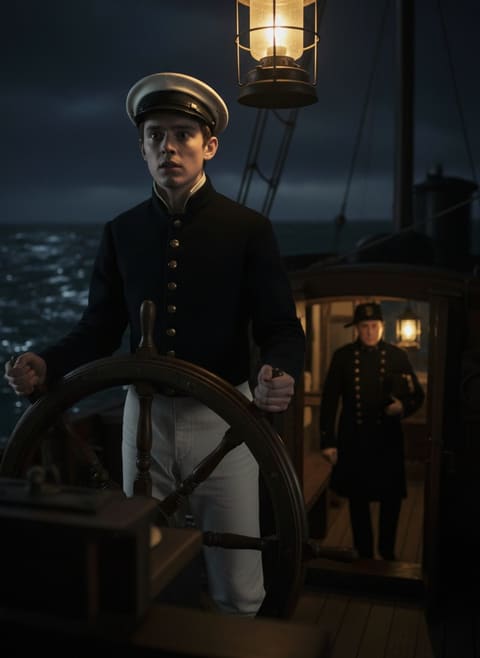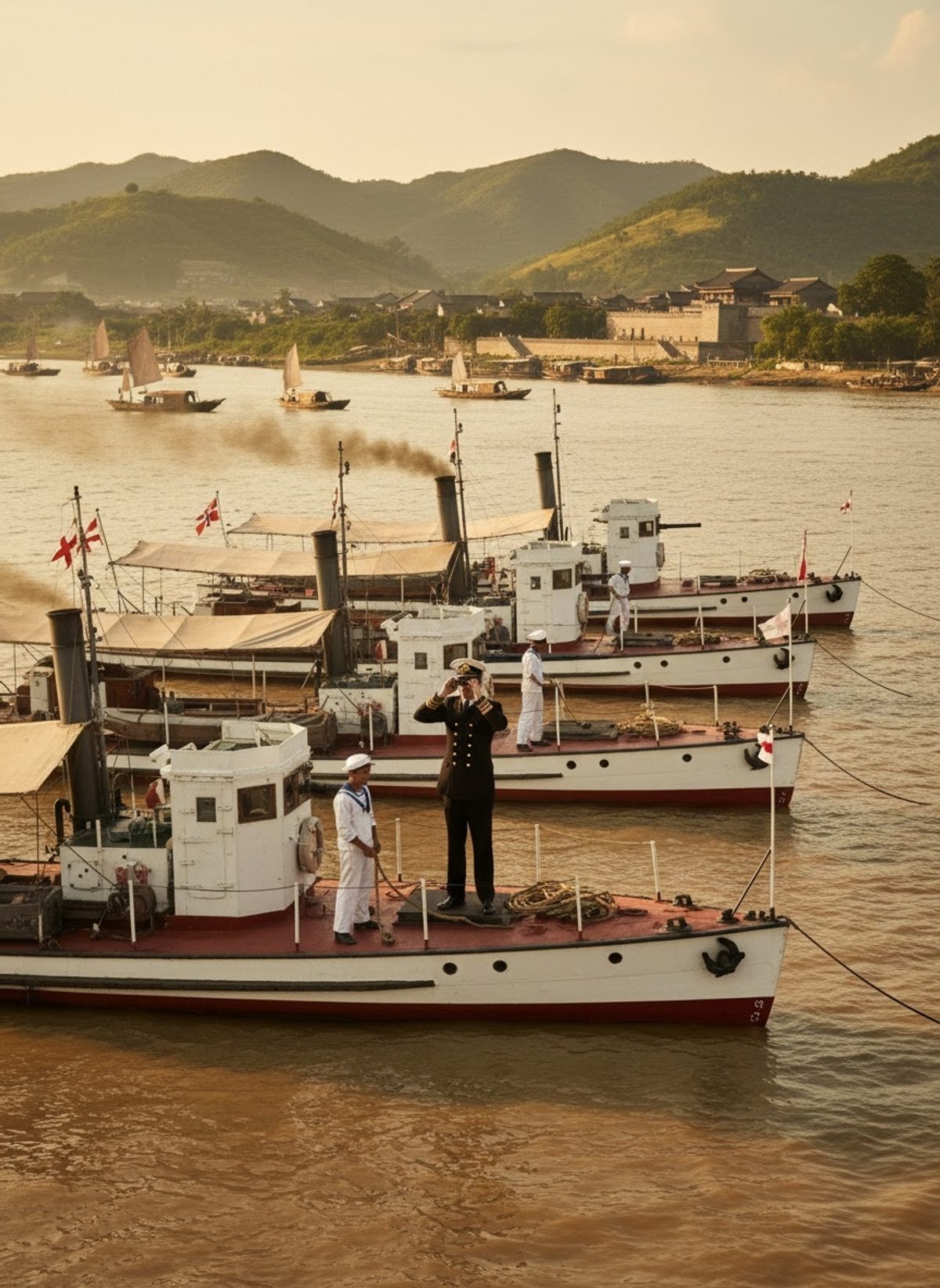
Most people picture naval fleets as grandiose steel leviathans cutting through oceans, but not the Yangtze gunboats. She drew less than four feet of water. And yet ruled the tides of commerce and conflict in China for more than five decades.
The Curious Fate of the Cockchafer
In 1900, as empires jostled for influence across Asia, a peculiar kind of warship began making its way up the Yangtze River. The HMS Cockchafer, a name likely to bring a smirk, was a shallow-draught gunboat specifically built to navigate the twisting, unpredictable waters of this formidable river. Despite its modest size, Cockchafer was armed to the teeth, bristling with cannons and machine guns. Its mission was to safeguard British interests amidst the mercurial politics of China.
The Cockchafer's journey began amid China's Boxer Rebellion, a nationalistic struggle opposed to foreign meddling. As fear and violence erupted, the Cockchafer proved indispensable. It served as a roving fortress, reassuring British traders and missionaries that imperial power was never far away.
For a nation deeply invested in trade—silk, tea, and opium, to name a few—the river was both arterial and strategic. And the Cockchafer was everywhere, a symbol of Britain’s far-reaching grasp, despite weighing barely more than a feather compared to ocean-bound battleships.
Read next: When HMS Jervis Bay Turned Towards the Admiral Scheer, 1940
The Doughty Ladybird in Action
As one decade closed and another opened, the humble gunboat fleet saw renewal. By the 1920s, HMS Ladybird had joined the fleet on the Yangtze. Named with a peculiar irony, given the occasional ferocity required of her missions, the Ladybird was ill-fitted for open-sea battles but ideal for the river. The Yangtze was its domain, and the river's vast, complex web of channels and tributaries made Ladybird essential.
By the 1930s, China's political climate remained volatile, as civil war loomed over the landscape. In this context, Ladybird undertook one daring mission after another, navigating politically fraught waters. Perhaps most remarkable is the tale of a solitary passage when it docked in Nanking amidst local insurgency.
Its presence was a stern reminder of the stabilizing, albeit imperial, hand of British maritime power. Through sweltering summers and chilling winters, Ladybird ensured British life along the Yangtze continued with relative peace. Its guns never faltered, though they were rarely fired in anger.
The Unyielding Spirit of HMS Cricket
The third stalwart of the Yangtze fleet was the HMS Cricket. By the 1930s, this doughty gunboat found itself amidst growing international tension. As Japan accelerated its territorial ambitions, Cricket patrolled the river with diligence, even as it watched the Japanese Imperial Navy growing like a thunderhead on the horizon.
Read next: When Lieutenant Smith Stepped Aboard a Ship That Never Surrendered
Despite an ever-present threat, the Cricket remained dependable—a kind of nautical watchdog over a colossal, undulating waterway. It maneuvered through silt-heavy waters, steered always by the hand of seasoned naval officers who seemed to know every bend and bank of the Yangtze. However, by late 1941, Japan's military maneuvers rendered the already fraught missions increasingly perilous. What followed was a slow yet inevitable retreat of British naval presence, an echo of the changing tide in global power equations.
End of an Era on the Yangtze
The sun eventually set on the British gunboat influence on the Yangtze River, under the rising shadow of Japanese aggression. December 1941 marked a forced retreat, a moment of both tactical loss and pragmatic necessity as World War II drew more players into its voracious maw. For half a century, the Cockchafer, Ladybird, and Cricket had embodied British resolve in a land of complex, shifting allegiances, serving a dual role—both protector and police, guardian and guest.
The tale of the Yangtze gunboats unravels the subtle artistry of imperial balance, where the mere presence of naval power could maintain commerce and stave off chaos. As history turned its pages, the world discovered these plucky gunboats carried more than guns—they bore the weight and will of an empire striving to assert its order amid the storms of uncertain change.
Today, in remembering these petite powerhouses, we also recall the often unheralded influences—from small ships to silent alliances—that helped shape a historical landscape stretching far beyond textbook summaries.