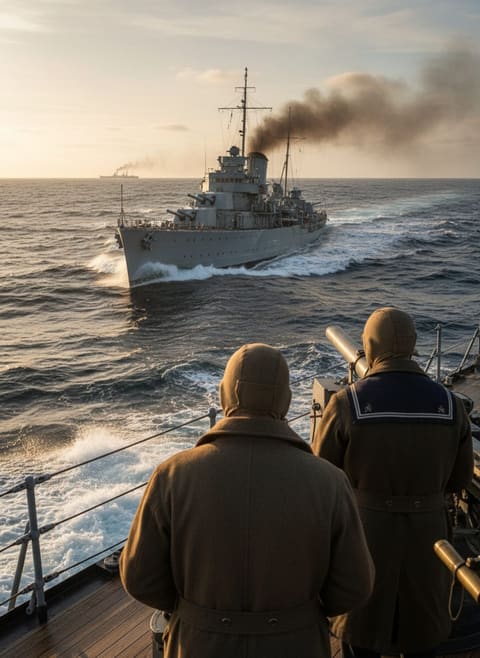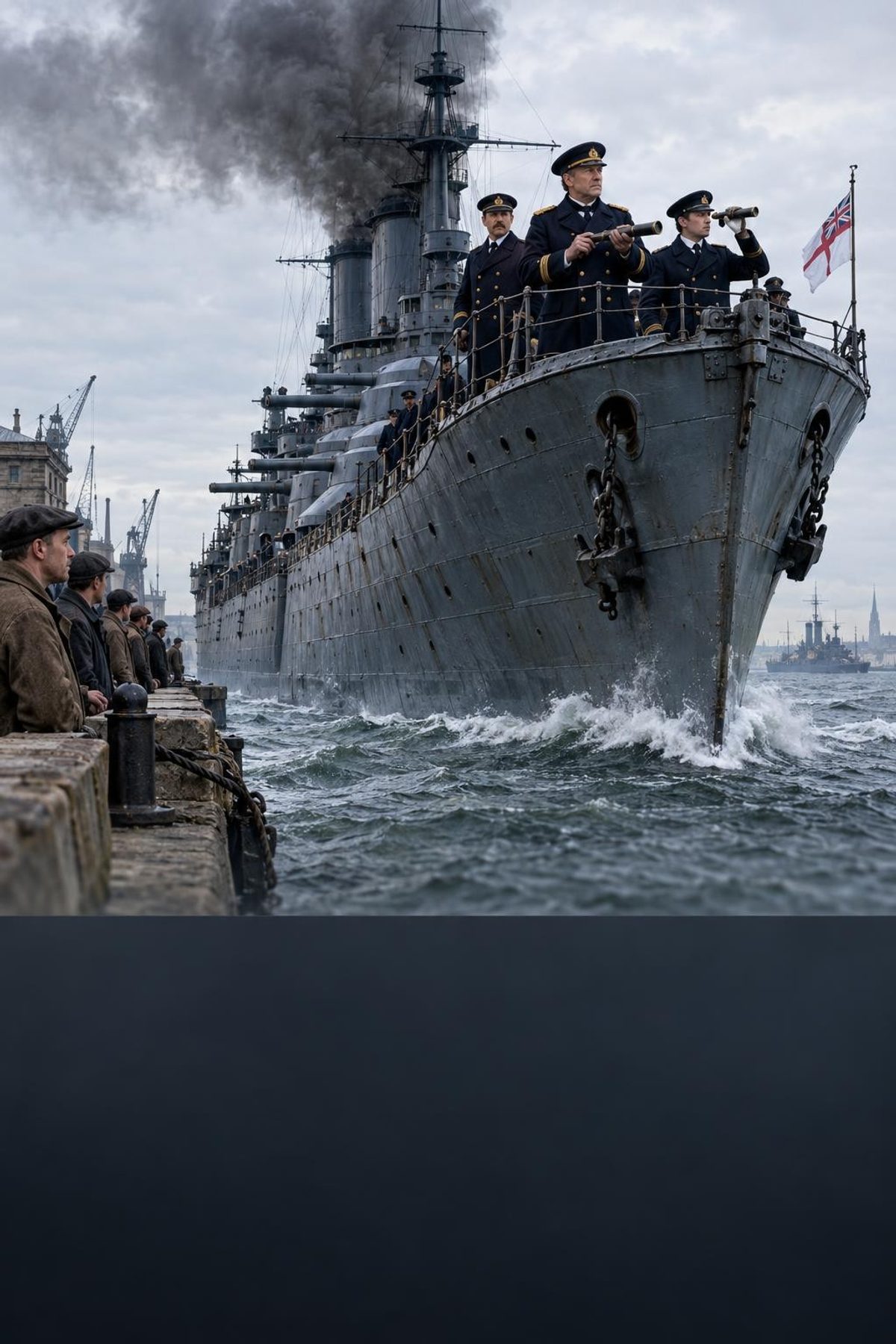
The sea spray lashed against the hull as HMS Dreadnought surged forward, slicing through the icy waters with a speed that seemed unfathomable for a beast of her size. Onboard, every nerve felt the thrill of a new era roaring to life, metal and power combined in a way that had never been seen before.
Men on deck shouted above the din of steam and churning water, grasping the rails not just for balance but for a hold on history itself, knowing they were part of something that would forever alter the world's naval landscape.
The Birth of a Sea Monster
The concept of HMS Dreadnought was conceived amidst a web of secrecy and urgency. Designed under the watchful eye of Admiral John Fisher, it was Britain’s answer to an escalating arms race that gripped the early 20th century.
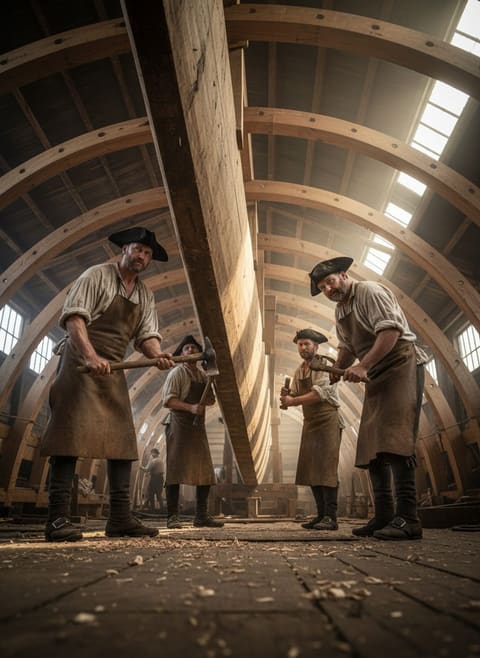
The ship was more than an elevated piece of engineering; it was a daring feat of speed in construction as well as in the water, completed in just over a year. A response to a world that changed overnight, the Dreadnought was tasked with solidifying British dominance at sea, a centerpiece in the great global chess game of naval supremacy.
Read next: When an Officer Left the Watch and a Trainee Stood Alone
The Dreadnought's dimensions dwarfed her predecessors and contemporaries alike—her hull was longer, her armor thicker, and her firepower unmatched. What made her truly revolutionary was the battery of ten 12-inch guns, all housed on a single deck. This allowed her to deliver what can only be described as pulverizing blows to any adversary. The revolutionary 'all-big-gun' design emerged from the idea of maximizing offensive capabilities, thereby rewriting the naval playbook that had been accepted for centuries.
As formidable as her weaponry was, Dreadnought's speed set her apart. She could maintain a pace of 21 knots, thanks to the steam turbine engines that were groundbreaking for the time.
This innovation allowed her to outstrip older ships reliant on piston-driven propulsion systems—essentially rendering them sitting ducks in a maritime conflict. Her launch was more than a ceremonial affair; it was akin to the release of a mythical sea creature that would alter every equation of naval warfare across the globe.
A Wave that Reshaped Empires
When HMS Dreadnought slipped out of the Portsmouth docks in 1906, she didn’t just emerge into the world's oceans; she charged forth into the international consciousness, making headlines and invoking awe and fear in equal measure. Nations scrambled to comprehend the implications. Overnight, the pride of every other nation's fleet was reduced to relics. This singular innovation led to the term 'dreadnought' becoming synonymous with supremacy, creating a new class of battleships bearing her name.
The ripple effect of her arrival forced the hand of global powers. Construction plans were rewritten, naval treaties reopened, and defense budgets swelled to compensate for the looming threat that now prowled the seas. Major powers like Germany, Japan, and the United States confronted a new reality: adapt to the dreadnought model or risk naval obsolescence. An arms race intensified as these nations sought to build equivalent or potentially superior vessels, each vying for a semblance of parity.
Not simply a tool of war, Dreadnought was a catalyst for geopolitical shifts. The ship’s capabilities altered imperial strategies, as colonies and crucial maritime routes assumed new importance in the ever widening struggle for control. The very notion of naval power had been turned on its head, and nations scrambled to adjust their policies to reflect the seismic shift brought on by a single British battleship.
Read next: When Hoste Raised a Captured Flag at Lissa, 1811
The Tides of Change
As years passed, the impact of HMS Dreadnought continued to unfurl like the waves she commanded, casting long, transformative shadows across the world's navies. This behemoth marked the dawn of 'dreadnought fever,' a phrase capturing global turmoil and ambition. As one dreadnought after another hit the waters, the essence of naval strategy evolved. Fleet compositions were overhauled, and maritime defense became increasingly predicated on possessing such leviathans.
But the ship's influence went beyond tactics and strategy; it reshaped national identities and priorities. Maritime nations redefined themselves by their capacity to produce dreadnought-like ships, with these vessels becoming symbols of modernity and industrial capability. The era of battleships and dreadnoughts fueled technological innovation, bringing forth advances in metallurgy, ship design, and armament engineering that would extend far beyond maritime realms.
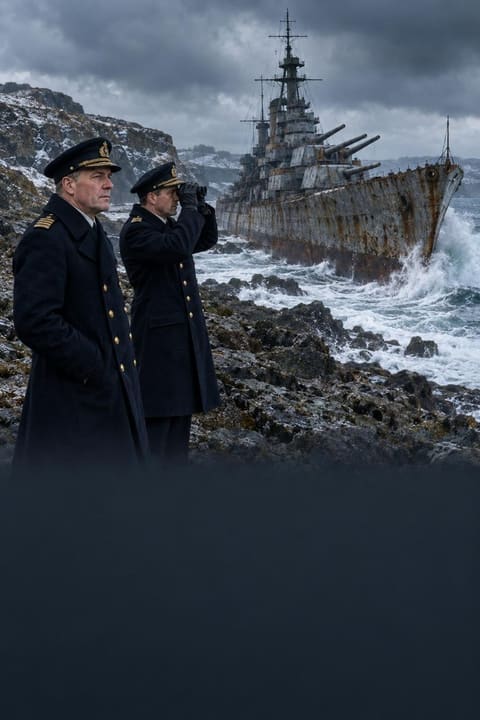
In hindsight, HMS Dreadnought was not just a product of her time; she was a harbinger of things to come, encompassing more than her immediate impact. Her legacy lies in the way she altered the balance of power, pushed technology to its limits, and served as a brutal reminder of the power shifts technology can enforce.
As nations evaluate defense in the modern age, they occasionally look back at the ripples caused by Dreadnought's passage through history, reflecting on the profound truth that a single innovation can redefine global paradigms. The world that existed before she cut her maiden wake was never to return; a new world order, fueled by metal and minds, had taken its place.