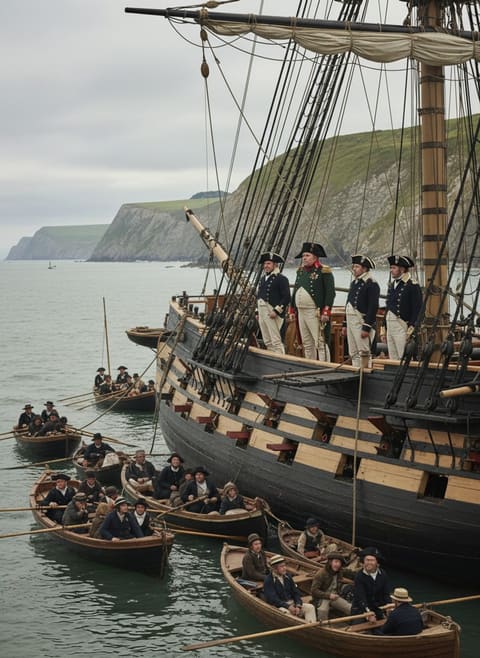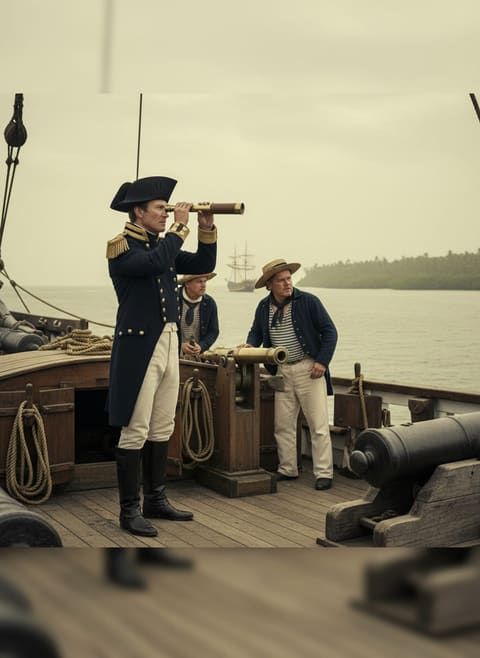
He was twenty-nine years old. Yet, he commanded the respect of seasoned sailors and fierce warriors alike. The man was Captain William Hoste, a name that might not loom large in history’s spotlight yet reverberates in the annals of naval warfare. It's easy to imagine captains as grizzled veterans, but Hoste defied these preconceptions. In the heat of the Napoleonic conflicts, he turned the tides of war not by age or stature, but through cunning brilliance and steadfast bravery.
The Stage Was Set: The Adriatic Awaits
In March 1811, as winter retreated and the Adriatic Sea shimmered with promise and peril, Hoste prepared for battle. The island of Lissa, a rocky gem cradled by azure waters, seemed an unlikely battleground. Yet, it became the backdrop for a remarkable naval engagement that would etch itself into British maritime lore. The mission was clear: safeguard British maritime interests by quelling the combined Franco-Venetian threat.
Hoste’s task was daunting. Nine enemy vessels loomed on the horizon, boasting the combined flag of France and Venice. They carried not just artillery, but the weight of their dominion’s naval might. Against them stood Hoste's force—a quartet of British frigates distinguished by their audacity rather than sheer firepower. As the winds stiffened, so too did Hoste's resolve.
Bold Beginnings: Remembering the Hero
As morning light glinted off the waves, Hoste’s thoughts turned to another seafaring legend: Lord Nelson. The vice-admiral, known for his exceptional strategic prowess and charismatic leadership, was Hoste's mentor and muse. A memory both of inspiration and expectation overrode the cacophony of clashing seas and straining sails.
Read next: When HMS Assistance Wintered in the Arctic Ice, 1850
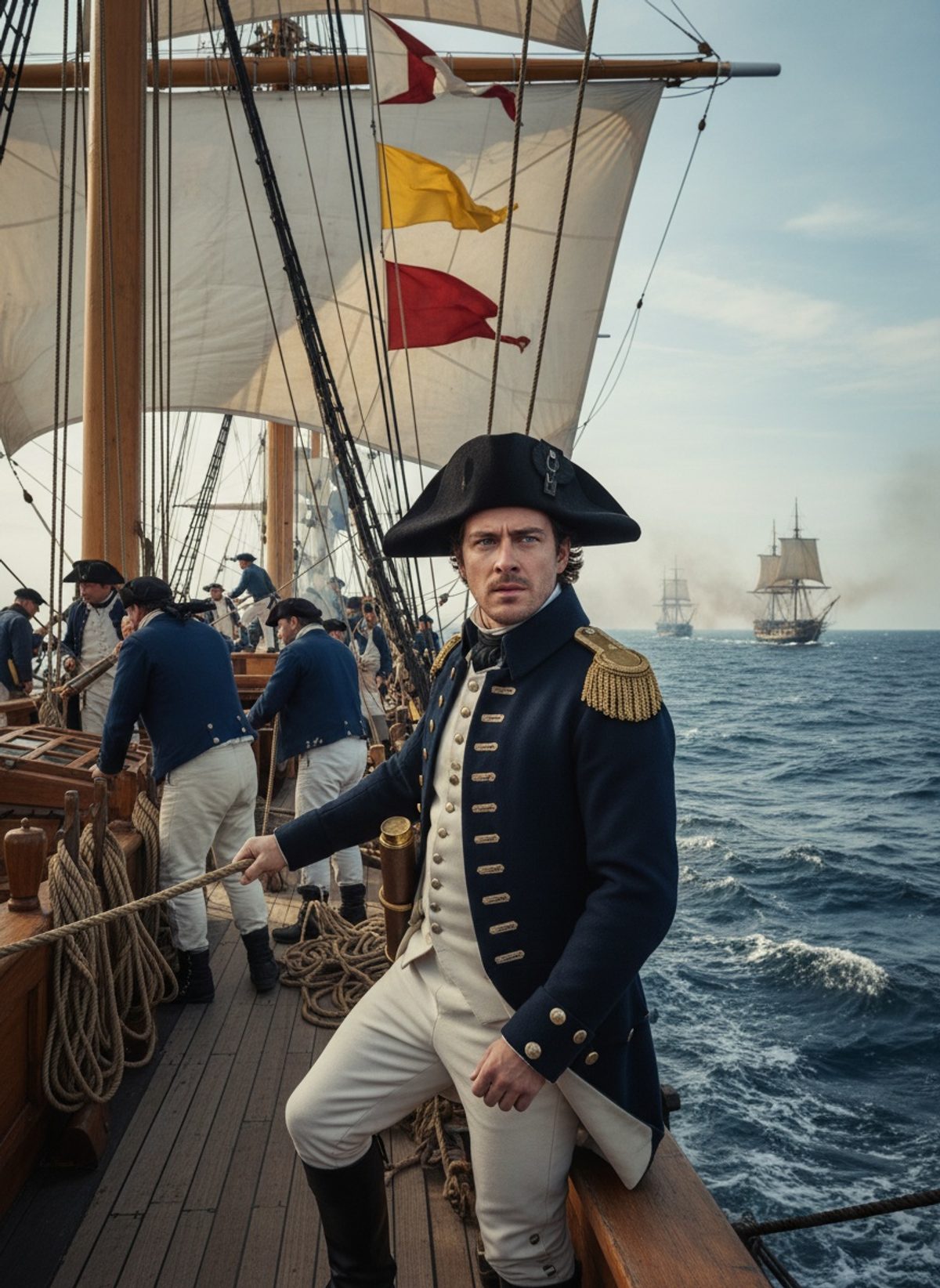
With the odds starkly against them, Hoste hoisted a signal that would transcend the day’s exploits. His directive was simple yet profound—a tribute to his fallen mentor. As flags rippled with authority, they declared, "Remember Nelson." It was less a command than a rallying cry, evoking a storied legacy that demanded triumph over adversity. The captains under Hoste's wing, charged with courage, pressed onward into the fray.
A Fierce Encounter: Clashing Ships and Spirits
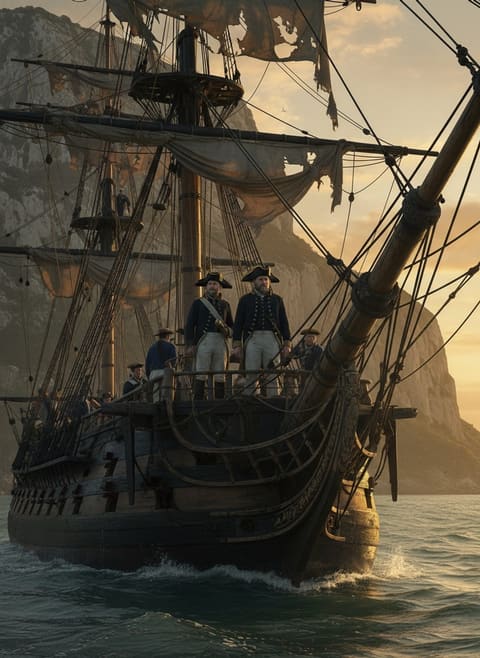
The engagement unfurled with formidable energy. British gunfire erupted against the relentless advance of Franco-Venetian ships, turning placid waters into a raucous cauldron of smoke and fury. Hoste's own flagship, HMS Amphion, spearheaded the assault, deftly maneuvering between the larger enemy vessels in a display of naval acrobatics. Meanwhile, cannonballs tore through the salty air, each crashing impact a testament to the stakes at hand.
Despite their numeric disadvantage, the British frigates danced amid adversaries, exploiting skillful navigational strategies learned not only through tactical drills but through the harrowing experience of seafaring itself. Hoste's composure was unmatched, channeling Nelson's spirit of innovation in every maneuver and salvo. The line between certain defeat and improbable victory blurred with each exchange.
Victory and Valor: An Enemy Flag Raised in Triumph
After hours of tenacious combat, Hoste's adept leadership bore fruit. The Franco-Venetian forces, hindered by their own complexity of command and belied by Hoste's intrepidity, faltered. The battle's turning point came with a captured enemy ship—a vessel that once sailed under the foreign banner, now symbolically serving the Union Jack. In an iconic moment, Hoste ordered the captured flag raised high over Lissa, a silent yet thunderous proclamation of victory.
Read next: When Priddy's Hard Armed the Fleet in Secret, 1777
Joyous shouts mingled with the retreating echoes of cannon fire as Hoste and his men savored triumph. Though outnumbered, their resolve and British grit secured a place in history. It was an affirmation that battle was not solely a matter of numbers, but of enduring spirit and strategic brilliance.
The Lasting Echoes: More Than Just a Battle
The engagement off Lissa marked not only a military triumph but a new chapter in naval warfare’s narrative. Hoste's tactics were analyzed in sea-faring circles for years to come, illustrating that savvy strategy and indomitable will could redefine the bounds of possibility. "Remember Nelson" lived on, transcending its context to epitomize a broader lesson: the potential within those who choose to defy the odds.
In recounting Hoste’s campaign, we explore not only a historic skirmish but the essence of leadership—a tale of emulation and innovation from a captain whose name should ring as clearly as the guns he commanded. To remember Nelson was to embrace a legacy of courage. To remember Hoste is to acknowledge the echoes he left across the salty spray of maritime history, reminding us that audacity intertwined with tactical brilliance can indeed seize the day.