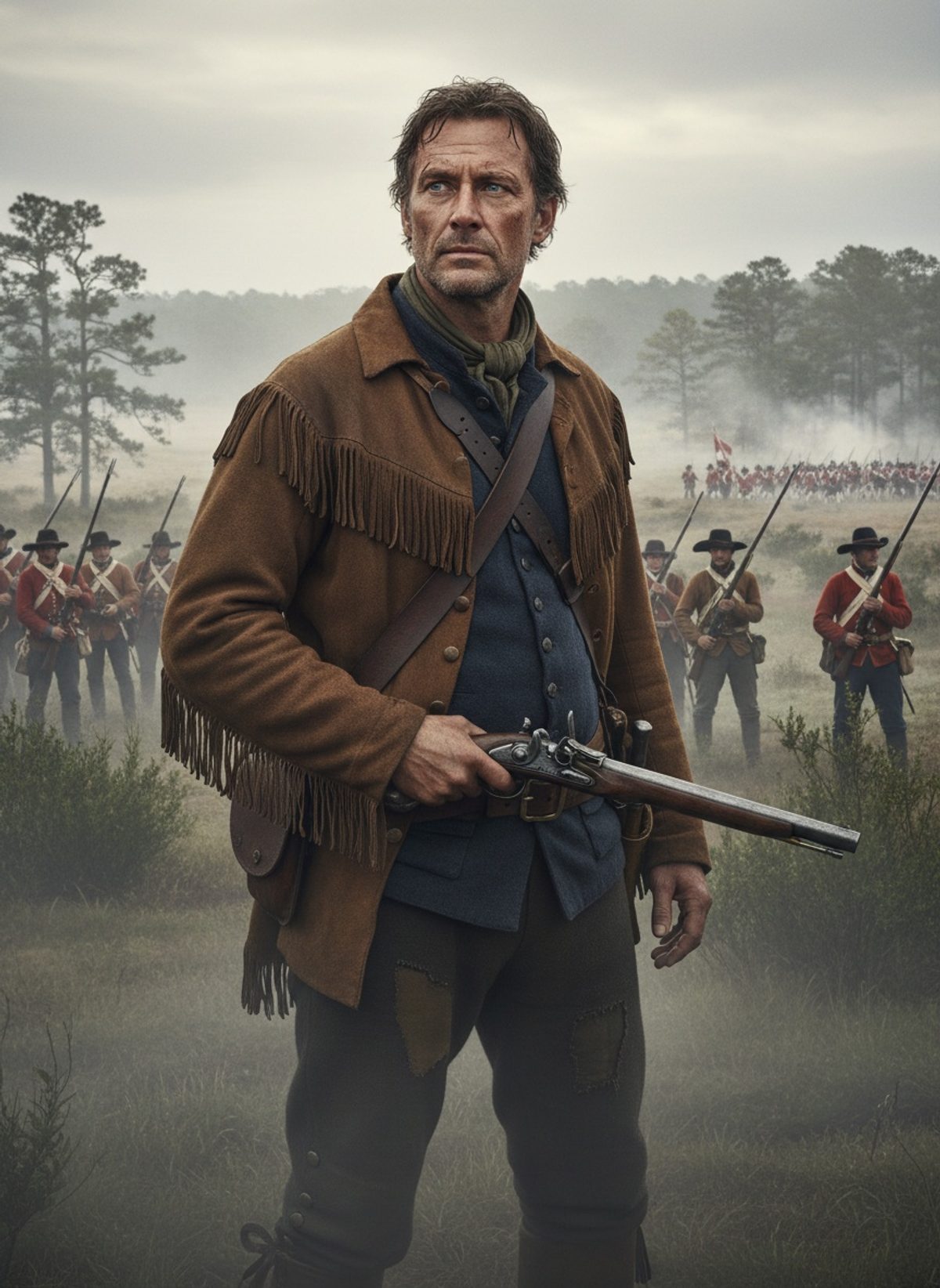
The winter sun trembled on the horizon, casting long shadows over Mount Vernon. A brittle wind whispered through the leafless oaks, their skeletal branches swaying gently against the backdrop of a bruised sky. It was December 1799, and the distinguished serenity of George Washington's Virginia estate masked an impending loss of profound magnitude. Within these walls, the heroic Revolutionary General and the first President of the United States was taking his final breaths. The world beyond the Potomac would soon come to a standstill to mourn a leader whose legacy transcended borders and rivalries.
The Immovable Force and the Paradox of Respect
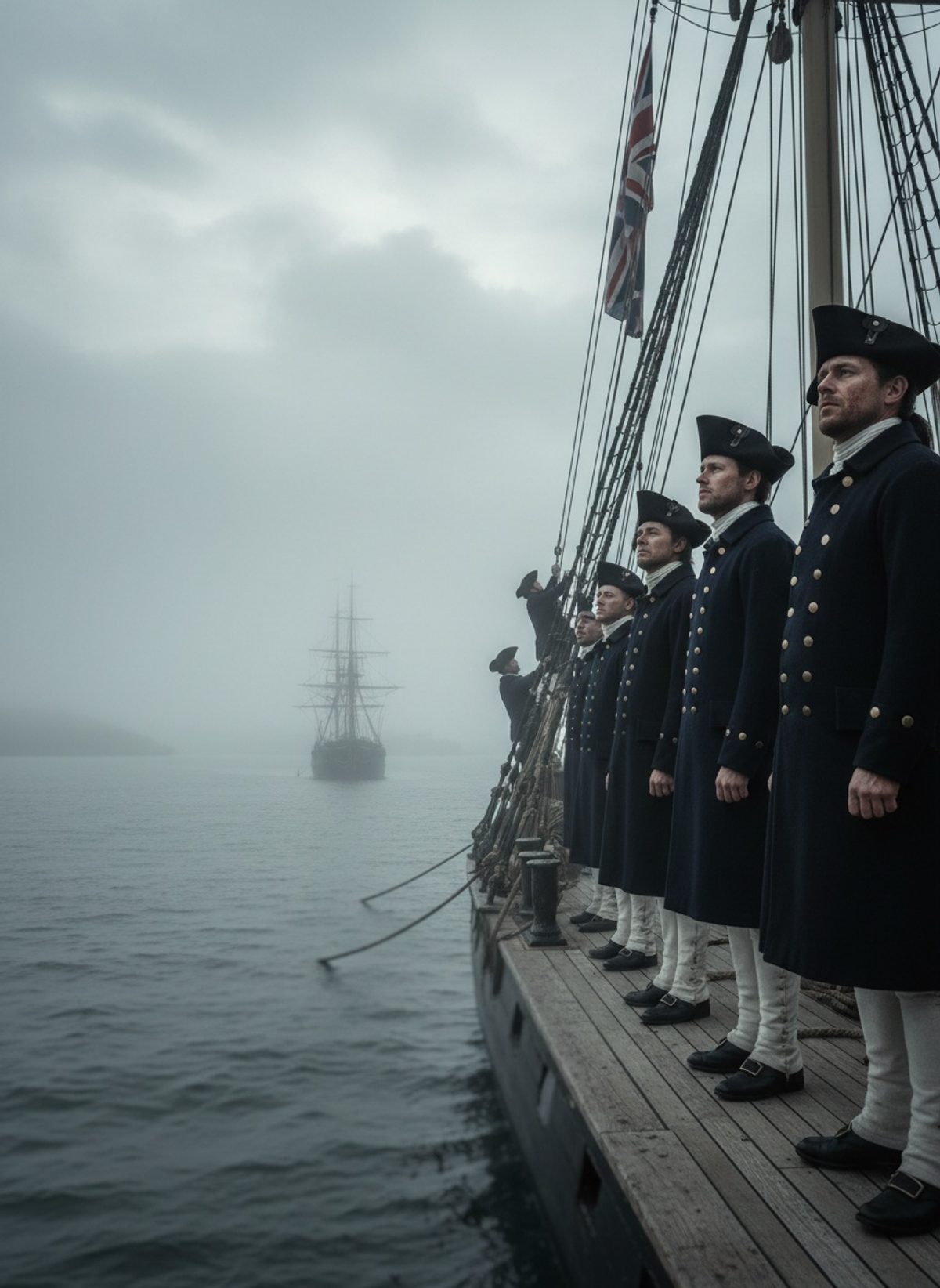
On December 14, 1799, as silence enveloped Mount Vernon, a cascade of grief rippled throughout the young nation. Across the Atlantic, however, the news of Washington's passing arrived like a thunderclap, compelling even his greatest adversaries to pause in reverence. The British Empire, against whom Washington had waged a determined and ultimately victorious war for independence, made an extraordinary gesture. Ships of the Royal Navy lowered their flags to half-mast, a tribute almost inconceivable for an erstwhile enemy.
This act of homage illustrated a remarkable paradox of respect. For the British naval officers who received the order, it surely must have felt akin to saluting a formidable opponent off the battlefield. Washington was a man they failed to outmaneuver, and his strategic brilliance during the American Revolution had earned him a place in their begrudging esteem. The sense of admiration was echoed in British society as newspapers and periodicals set aside previous animosities to celebrate the moral and intellectual virtues of the departed leader.
Washington’s ability to inspire such sentiments among those he had once called adversaries spoke volumes about his character and the relentless integrity with which he navigated the turbulent seas of early American politics. Even in death, Washington managed to unite disparate factions under the banner of mutual respect.
Read next: The Raft Rotted. They Were Still Alive.
Corsican Reverence: Napoleon's Mourning Edict
In a move that further underscored Washington’s global influence, Napoleon Bonaparte, the First Consul of France, issued an unprecedented decree. Ten days of mourning were to be observed throughout France, with black mourning crape to be hung on every standard of the Republic. This gesture was particularly striking given the rocky Franco-American relations during Washington's presidency, including the infamous XYZ Affair.
Napoleon, fresh from his own military campaigns, recognized a kindred spirit in Washington—an individual who embodied the ideals of leadership and revolutionary zeal. Here was a man who, like himself, had charted unfamiliar waters in establishing a new governmental order. Napoleon's respect for Washington was genuine and unreserved; he once remarked that the American icon "taught the world how to be free." It was this admiration that led to him honoring Washington in death as a fellow architect of a nation.
For the French citizens, mourning Washington was a complex act of solidarity with the American people and an acknowledgment of a shared revolutionary ethos. This period of national mourning cast a long shadow across Europe, reminding monarchies of the shifting paradigms that men like Washington and Napoleon represented.
The Unfinished Symphony of a United America
The profound impact of Washington's death resonated most acutely within the borders of the nation he helped to create. America was a fledgling democracy still testing the bounds of its constitutional framework. Washington's influence had been instrumental in navigating the nascent republic through its formative years, setting precedents that would define the office of the presidency for generations to come.
In the wake of his death, America grappled with the overwhelming absence of its father figure. Newspapers filled their columns with eulogies, schools and businesses closed, and public processions took place in his honor. Expressions of grief echoed through churches and meeting halls across the land, as citizens of all walks of life came together to pay homage to the man who had united them under the stars and stripes.
Washington's farewell address—a clarion call for unity, neutrality in foreign affairs, and the dangers of partisan divisions—resurfaced in collective memory. His words took on an almost prophetic weight as Americans faced the uncertain future without their steadfast leader at the helm. As citizens mourned, they also reaffirmed their commitment to the ideals Washington had steadfastly championed, galvanizing the fragile bonds of their young nation.
A Legacy Beyond the Ages
In the quietude of the halls where he once walked, an inconspicuous sense of immortality lingered. Washington was more than the sum of his titles and accomplishments; he had evolved into a symbol of aspirational governance, a paragon of ethical leadership whose echoes spanned continents and generations. The uncommon mourning rituals observed by his former foes—Britain and France—were not merely a homage to the man, but to the principles he embodied.
The death of George Washington signified the end of an era but heralded the continuity of an ideal. His legacy was to be a beacon, a testament to the powers of leadership, vision, and unity even amidst the greatest divisions. To this day, the extraordinary, heartfelt reactions of his former adversaries remind us of something profound—it was the spirit with which Washington navigated conflict that left an indelible mark across the world stage, uniting adversaries in reverence for a common hero. In a world still rife with rivalries, Washington's story reminds us of the universal human capacity for respect and admiration beyond boundaries of conflict.