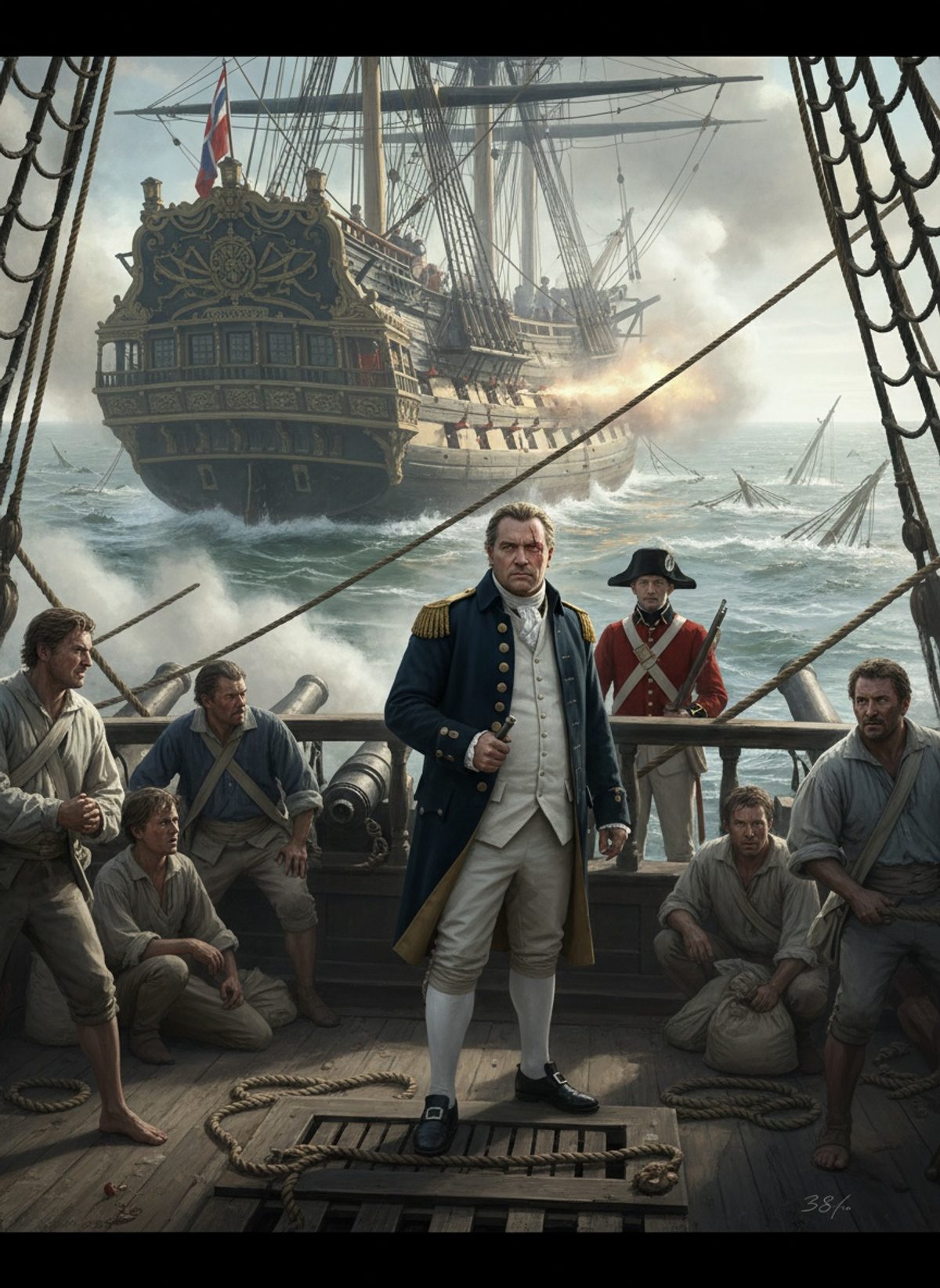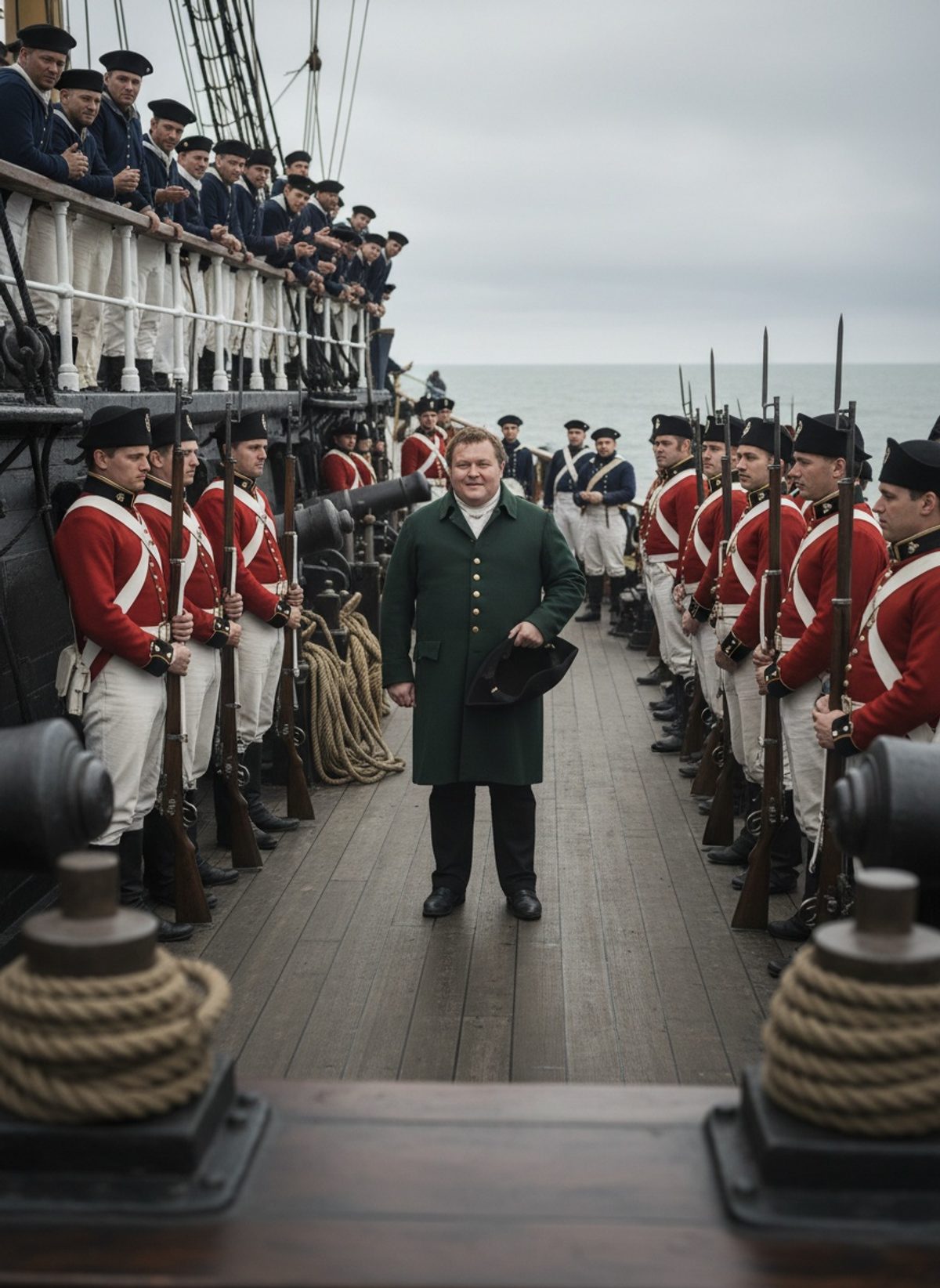
British military expeditions were often grand affairs marked by strategic precision. Yet, there was a day in August 1814 when a British force swapped military maps for dinner menus, dining in style over cold roast and claret — at the White House, no less.
An Unlikely Feast
The War of 1812 was a series of conflicts between the British Empire and the United States, marked by bitter battles and blockades. Yet, amidst the chaos, one particular evening stands out not for the clash of swords but for the clinking of glasses. On August 24, 1814, British troops marched into Washington, D.C., largely unopposed owing to the chaotic retreat of U.S. forces. This bold incursion led to an unexpected twist. Arriving at what was then known as the President’s House, they discovered a meal set for forty — the comforting aroma of roast meat mingling with the humid evening air.
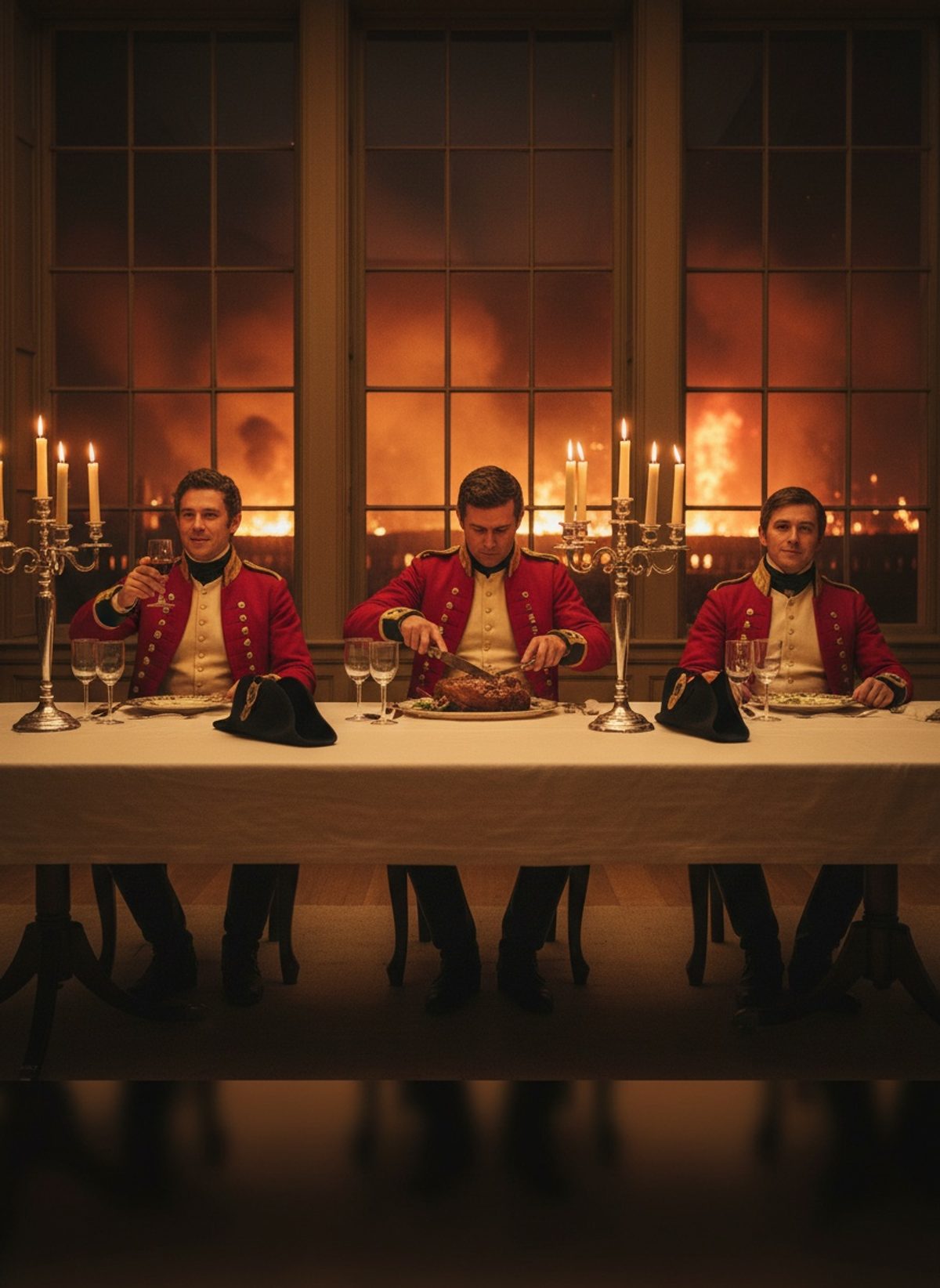
The grand dining room, with its tables laden with an untouched feast, must have seemed surreal to this weathered army. The movers and shakers of Washington had intended a victory celebration for the hasty American defenses, but here the British found themselves invited by fate to a different kind of conquest. They sat down to exquisite dishes intended for President James Madison and his dignitaries — every bite of pudding and taste of claret a victory savoring its own way. In those hours, formalities vanished, and what had been an act of war transformed into an evening of unintended satire.
The Table is Set
Imagine the spectacle unfolding amid the opulence of early 19th-century America's political heart. The grand dining space, adorned with fine china and silverware, stood in stark contrast to the city outside that had hurriedly been deserted. The British officers, weary from their march, were animated by this unexpected bounty. Proper British soldiers, they knew better than to scorn an inviting table, even amid hostility. As the chandeliers glittered uncertainly above, they toasted the absent American President in his own handpicked claret, dabbling in a victorious mockery of the events that should have transpired.
Read next: The Day William Bligh Navigated 3,600 Miles on a Tin Cup
The food was not simply sustenance but a symbol. Here they were, eating the President's dinner while relishing the irony more than the roast pig. For many soldiers, this surreal meal was an unforgettable high point — a story to carry into history long after the shots had ceased to echo.
The Flames of Infamy
Yet, as the wine glasses emptied and the plates were cleared, an altogether different fire rose in their wake. Ignited by dynamism rather than kindle, these flames would leave a scar on history that burns even today. The torching of Washington was a strategic decision, intended to cripple the administration and humiliate the young republic. With chilling precision, the British set fire to the President’s House, its flames leaping into the night sky — a spectacle both tragic and theatrical.
The image of the residence ablaze was breathtaking in its destruction. Yet, deeper than the obvious devastation was the psychological impact. This bold intrusion and subsequent enkindling of America's symbol of governance turned the deserted streets of Washington into a canvas of illuminated ruin. The residents returned to the tragic sight of their capital's icon reduced to blackened remnants — a physical representation of their vulnerability.
Reflections from the Ashes
This audacious banquet and the subsequent destruction of the President's House is more than a quirky historical footnote; it speaks to the unpredictable nature of war and politics. It underscores how the tide of conflict can serve up both ruin and revelry in unpredictable proportions. For the British, it was a day marked not only by military superiority but sheer serendipity. For the Americans, it was a humbling episode that displayed the ephemeral nature of security amid warfare — lessons woven into the fabric of their rebuilding aspirations.
After the last embers cooled, the war continued, and George Washington's mansion would rise again, its ashes fertilizing a narrative of perseverance. In retrospect, one might consider how much history is decided by the falter and flourish of dinner plates or wine glasses more than by any dispatch or decree. The night the British ate the President's dinner shows us that even amidst the gravitas of conflict, history is made not just on battlefields, but at the dinner table — fork by fork, toast by toast, each morsel leaving its mark on the annals of time.