Most people haven't heard of the women who ran the North-West Frontier. They should have.
A Soldier Rides Away
The year was 1897 on the turbulent North-West Frontier of British India, a region known as much for its breathtaking landscapes as for its brutal skirmishes. As the men of the frontier post prepared their steeds and rifles, the adrenaline and anticipation seemed almost visible in the air.
Among them was one soldier who cast a glance back at the cantonment gates, knowing he would be leaving behind more than just the dust of the parade ground. His wife and children would remain, perhaps for months or longer, while he faced the uncertainties of the campaign.
These men rode out to battle and glory—or to grim death and obscurity. Their exploits and failures made great stories in the British press; they were staunch pillars of empire, we were told. Yet, every man who left the post left a woman struggling to hold together threads of everyday life with the same fortitude and bravery. No songs were sung for these women. Their stories rarely ventured past the lips of gossiping tea circles.
Read next: Before the Laughs: Norman Wisdom's Six Years in British India
Unseen but Unyielding
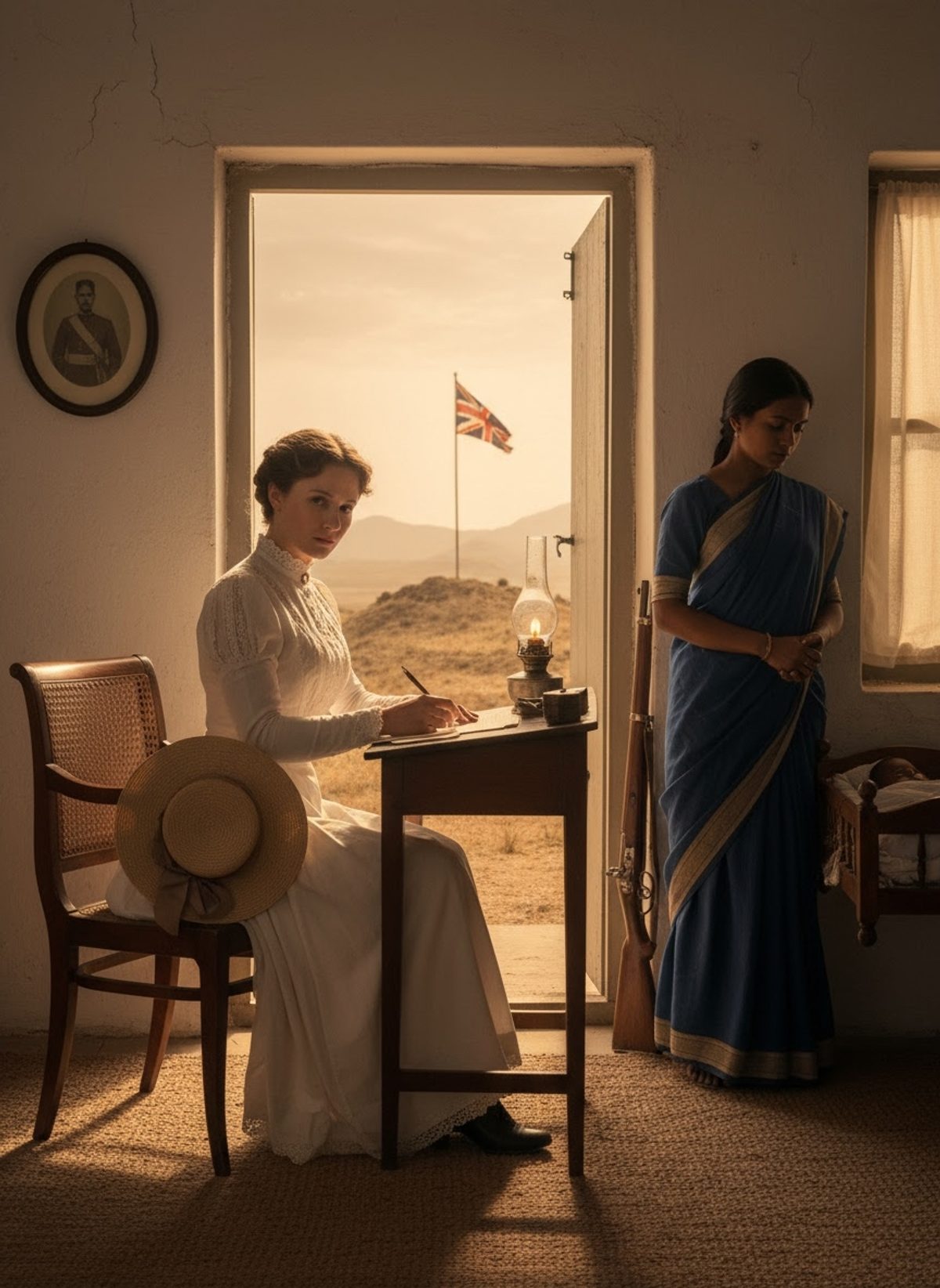
Once the dust settled behind the departing troops, the women found themselves in charge of what remained. The cantonment, a collection of modest bungalows and essential administrative buildings, turned from a bustling military outpost to a village of women, children, and a smattering of local servants. The soldier's wife had to ensure that the household functioned not just as a domestic space but as a fortress of logistical and emotional resilience.
The British administration had set up rudimentary systems to aid families left behind, but they were as unpredictable as the subcontinent's monsoon. Supplies were sporadic, and communication with the outside world was often carried by unreliable dispatch riders who braved not only the harsh terrain but also tribes not wholly sympathetic to British incursions. In this environment, the women became strategic managers, harnessing every resource at their disposal, anticipating shortages, and making difficult decisions daily.
Cooking fires burned with resources painstakingly rationed to last uncertain weeks; children were tended to with a mother's intuition and a field nurse's efficiency. But beyond survival, these women were also tasked with keeping morale alive, creating a semblance of normalcy amid the precarious anxiousness that permeated their existence.
The Silent Sentinels
While their husbands faced visible foes, these frontier wives battled invisible ones—loneliness and worry. The constant churn of fear and daily routine was at times maddening. Yet, despite their isolation, these women formed silent, unspoken bonds of solidarity. They supported each other in ways that lasted beyond the written history of their husbands' exploits. Sewing circles doubled as therapy sessions; letters from the heart served as lifelines, voicing the fears and small victories no official report would ever capture.
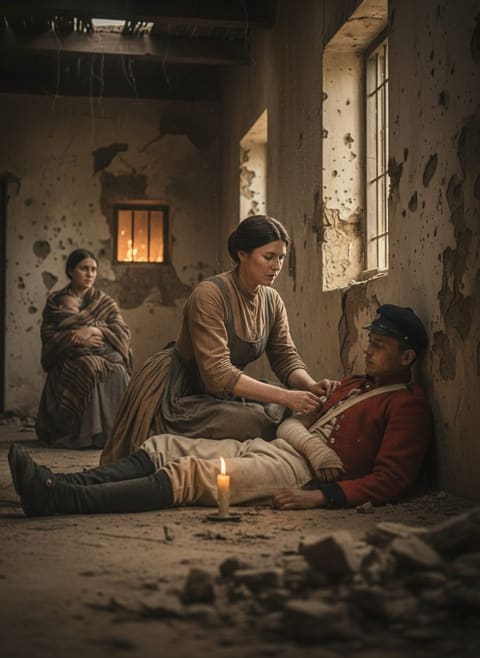
The challenges they faced were uniquely personal yet universally binding. Illness struck their children with brutal force because even the most basic medical care was a letter and two weeks away. Rumors were another unseen adversary; whispers of tribal unrest or casualties in battle spread through the cantonment like unchecked wildfires. Each piece of uncertified news could become a source of renewed anxiety.
Read next: What Are You Building? Share Your Favourite British Empire Model
Through it all, these women became the silent sentinels of an empire. Their work sustained the morale and functionality of a workforce far removed from them, caught up as it was in the clamor of empire-building. Yet, the resilience they executed daily was anything but silent.
The Echo Beyond Silence
When the soldiers returned, jingling their medals and recounting tales of narrow escapes and victories, these women greeted them at the gate with open arms and quiet smiles. There were no accolades for having kept life in place, for the courage shown through silent nights or the bravery of facing another day while unspoken fears lingered. Yet their impact resonated in the ways that make civilization itself endure.
The stories of soldiers on the frontier of British India have filled countless books and inspired numerous films. However, the lives and sacrifices of the women who stood just as bravely, managing households and communities on lands barely tolerant of their presence, remain largely unmentioned. Their legends, untold and unsung, mimic the echo of their steps in the cantonments, heard by few yet essential for those who understand the fabric of history.
The silent, unflagging strength demonstrated by these women might just be the greatest, most unheralded contribution to the empire's staying power at the edge of civilization. Their courage was not forged for parades or poetry, but in the everyday grind of uncertainty and toil. They may not populate the textbooks, but they were an empire's true, unsung backbone.