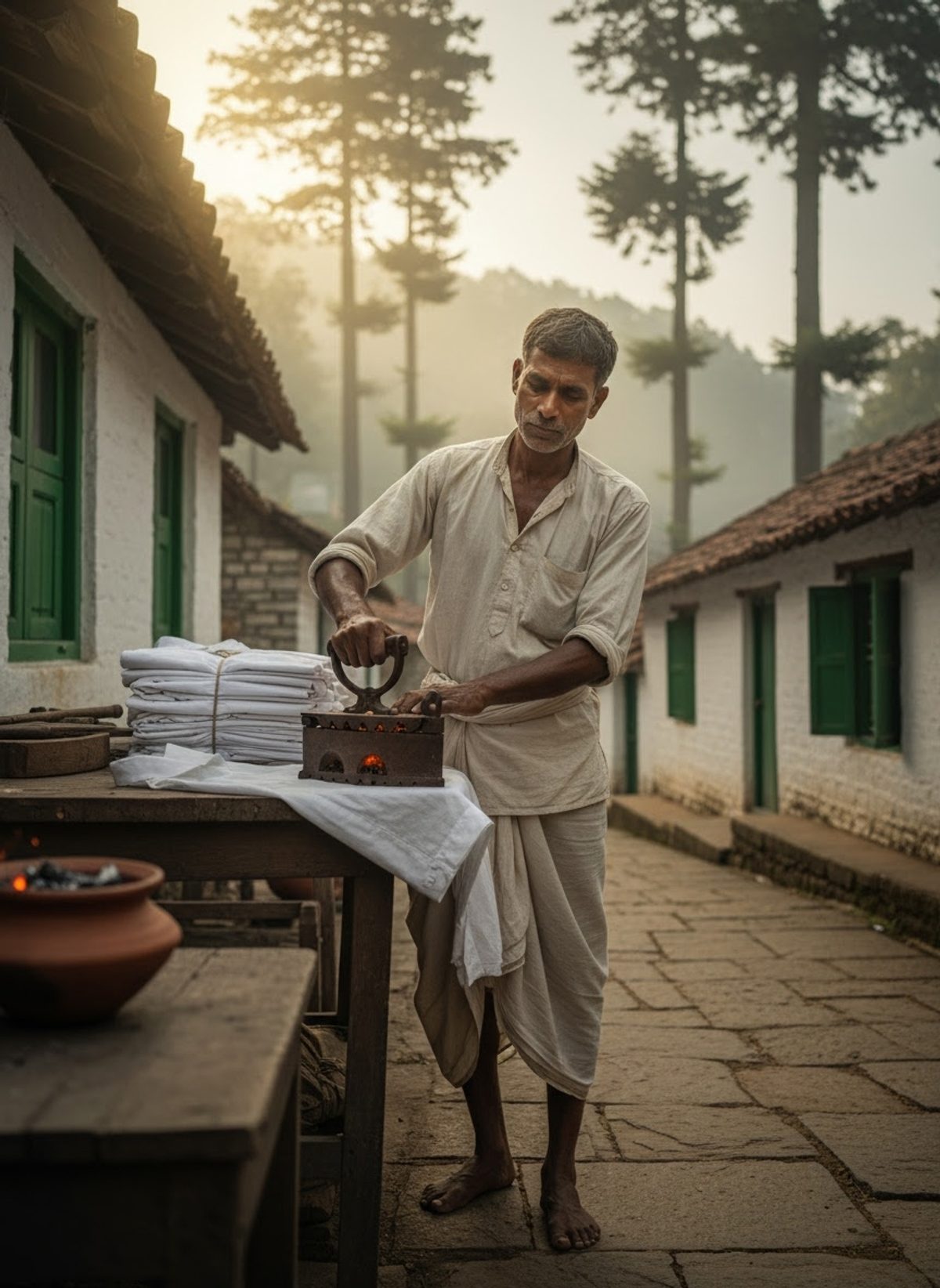
The hiss of steam rising from hot charcoal underscored the rhythmic swish of starch-stiffened cotton, as Harish the dhobi pressed yet another British officer’s trousers to crisp perfection. The dawn’s soft light crept across the Shimla hill station, revealing a trail of laundry bundles neatly stacked beside wooden doors.
When the first British official roused from sleep, the clatter of his morning tea cup might already have been echoing through the crisp morning air, but his clothes had long since arrived, freshly ironed and folded.
Journey Through Mist and Stone
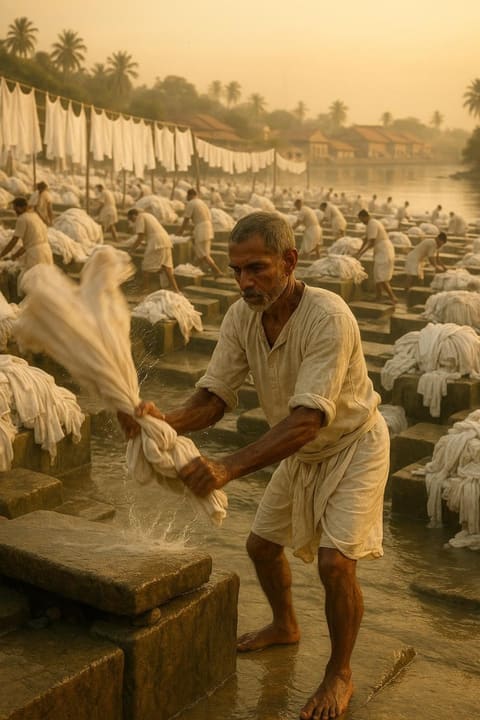
Shimla, nestled in the embrace of the lower Himalayas, seemed almost ethereal in the morning mist. Yet, for the dhobi wallahs, this serene ghostliness concealed the hard grit of daily toil. Harish and his fellow washermen carried linen washed in icy mountain streams back to their humble hovels.
They labored over beaten stones, coaxing dirt from fabric with techniques passed down through generations. Steam mingled with mist as they wielded heavy charcoal irons, the embers glowing like the persistence within them.
Read next: When the Lascars Crewed the Empire's Ships and Got Nothing
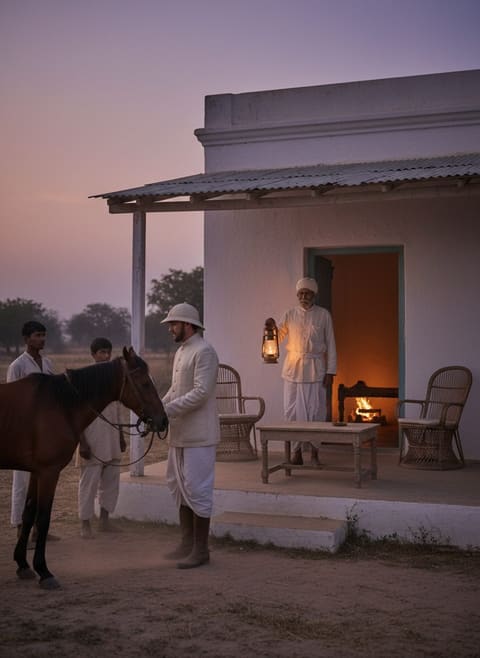
The laundry arrived each evening, bundled in rough cotton swathes, the weight of the empire's laundries resting on narrow shoulders. The pathways between British bungalows and the dhobi settlements were steep and rocky; yet, each footfall was careful, each journey timed to perfection. Perhaps it was this unseen ballet of workers that ensured the image of the well-kept empire in colonial circles, a fact noted only when they slipped into immaculately pressed clothes the next morning.
Harish's family had joined this sunless endeavor decades earlier, a legacy hidden in the folds of bedding and trousers. Though he wove connections throughout his community, few British ever knew or spoke his name. It was a life lived in the shadows—the shadows of the empire they perfectly attired each day. The dhobi never missed a morning, not once. It was a rhythm, a promise kept.
The Unseen Labor Force
Shimla’s dhobi clung to the empire’s vitality through their unwavering service. The elite lounged in drawing rooms, sipping tea and engaging in conversations on cultural supremacy, completely oblivious to those who maintained the very fabric of their image. Yet, the dhobi persisted in their nightly rounds, a small army armed not with rifles but with soap and stones.
Each garment told a story, albeit one that spoke only through the language of pleats and edges. An officer's stained collar was a testament to decisions made in candle-lit rooms, while a scorched hem murmured secrets lost in brocade ballrooms. The dhobi deciphered these silent tales, breathing new life into weary fibers and relinquishing them reborn to their owners with the same measured dignity offered every day.
Read next: When the Box Wallah Knocked on Every Door in India, 1880
Despite their communal significance, the dhobi remained phantom-like in official chronicles. Rarely did ledgers or personal diaries mention their critical role in the daily colonial machine. The ironing of more than just shirts and pants extended to cultural hierarchies and power structures—the dhobi's hands, deft and enduring, reinforcing an empire from the seams up.
Eclipsed in Smoke and Steam
The labor of the dhobi wallahs extended beyond simple necessity; theirs was an intricate dance of longevity and adaptation. Charcoal swirled amidst the mist to form patterns that dissolved into daylight, mirroring the fleeting recognition of their toils within social consciousness. Yet, each pressed shirt, every breech smoothed on cold stone was a silent testament to their unseen fidelity.
The dhobi's presence ebbed and flowed with the empire’s migrations. When railroads ushered officers from hill stations to bustling cities, the trusted washing lines followed. When telegrams crackled news of shifts in governance, the hum of irons remained steadfast, even among whispers of change. Each dawn unfurled like another blank laundry bill brought to life under the dhobi’s hands, in defiance of time and transition.
Today, the story of the hill station dhobi in 1885 serves as a vivid illustration of those who sculpted the empire's image while remaining obscured in the periphery. Their shadows danced within the smoky echoes of a charmed era, forever entwining labor and legend. Though never penned into history books, their ironed creases engraved remnants of dignity, precision, and resilience across the empire's core.