He was a surgeon, not a soldier. Yet in the heat of World War I, it was his pen, not a scalpel, that incised a stark truth across the pages of history.
The Hidden Enemy in the Desert
Amid the unforgiving sands of the Middle Eastern theatre during World War I, General Edmund Allenby prosecuted a campaign against the Ottoman Empire with his Egyptian Expeditionary Force. Commanded to force the Ottomans from Sinai and Palestine, Allenby's troops envisaged an enemy clad in Turkish uniforms. Yet in 1917, he grappled with a camouflaged adversary back at the home front: venereal disease.
Rumors spread like desert wildfire through the ranks, whispers of soldiers dwelling among the allure of Cairo’s infamous entertainment districts. Restless and stationed far from home, thousands succumbed to temptation, returning fevered and unfit for the battlefields. As gruesome as the physical casualties were, it was this hidden malady stripping Allenby’s lines of manpower faster than any Ottoman assault.
This clandestine epidemic posed a logistical nightmare. The otherwise disciplined units found themselves queuing not for inspection but infirmary beds, out of service for weeks, sometimes months. The disease, a silent saboteur lurking in shadows of urban digressions, required a decisive response.
Read next: When a Civil Servant Watched the Empire's Finest Break Its Rules
The Surgeon with a Plan
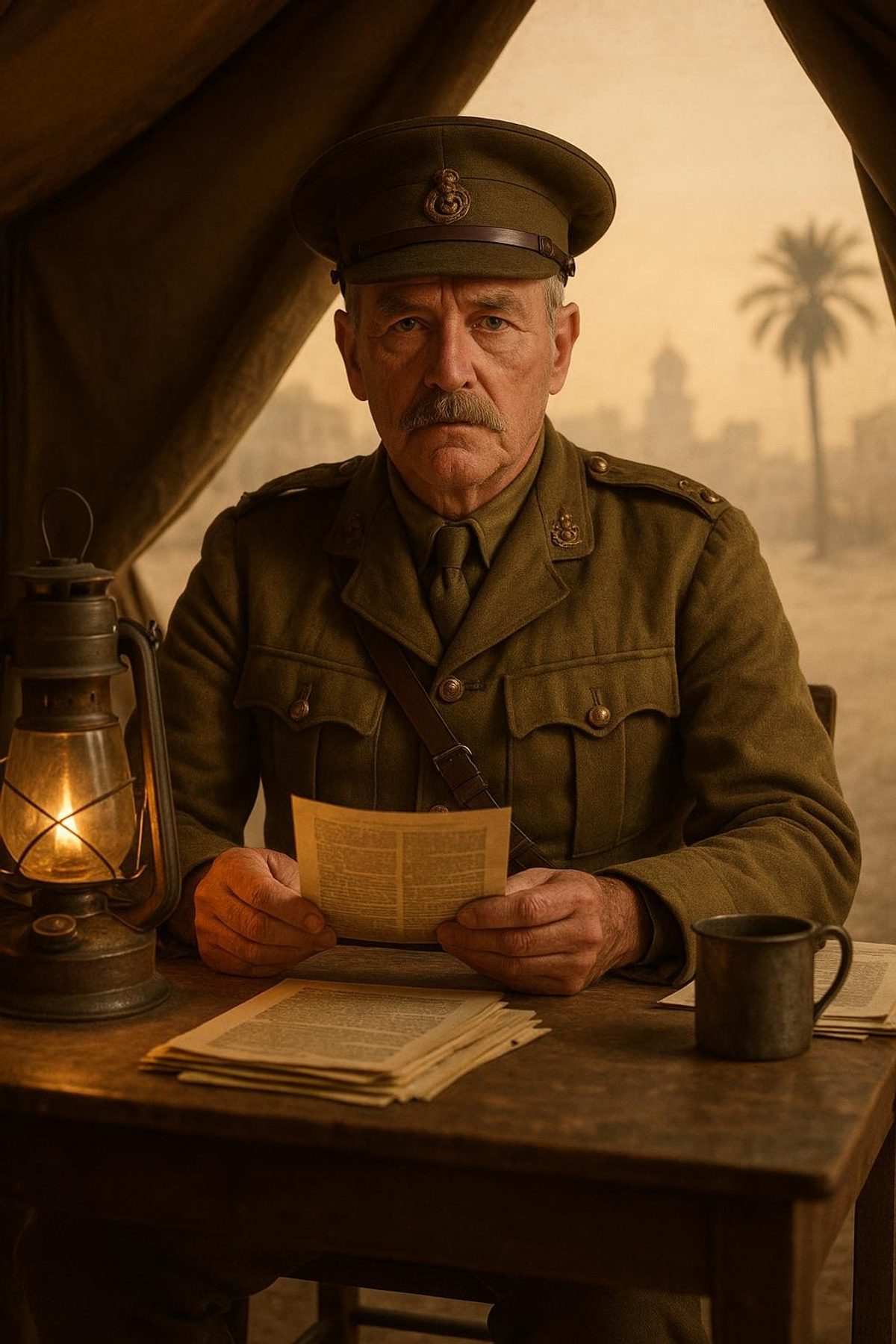
In the cluttered and overstated earnestness of wartime offices, a voice of startling realism emerged from the British Army's senior medical personnel in Egypt. While others skirted around the issue, this officer wielded his pen like a scalpel to cut through the layers of denial. His weapon? A blunt, unvarnished pamphlet, as resolute as it was shocking.
Armed with frank language and explicit guidance, the pamphlet was issued to every soldier, officer to private. It was scandalous by the standards of the time, spelling out what no officer dared utter. Details about transmission and prevention lay starkly on its pages. While London squirmed at the explicit approach, it was a necessity born of urgency.
The leaflet caused ripples of outrage among church authorities and the more conservative elders of the War Office. However, the seasoned medic understood the battlefield of biology and human behavior. His strategy: education mixed with unfiltered honesty. Through his eyes, it was vitally important that soldiers understood the dire personal and tactical implications of their private actions.
Allenby’s Stoic Defiance
With the Church of England and the British War Office voicing moralistic objections from afar, the dilemma landed squarely on the shoulders of General Allenby. Known for his stoic determination and keen sense of pragmatism, he faced the conundrum with clarity. To pull the pamphlet under public pressure meant imperiling his campaign; to keep it meant withstanding a tempest of indignation back home.
Allenby, a figure cast in the hard style of the Victorian military, chose to uphold his surgeon’s stark guidance. For him, the health and readiness of his forces rose above societal conventions. His decision wasn’t just a preference for cold practicality over prudish sensibility; it was a calculated risk to ensure the survival and effectiveness of his army. A move unorthodox, but unquestionably essential.
The pamphlet's presence allowed the contagion's advance to be slowed, if not halted. For every soldier informed and safeguarded, there was one fewer for the infirmary, and possibly one more fit for battle. This calculated disruption helped preserve the dwindling troop ranks, contributing to the eventual success of Allenby’s campaign in Palestine.
Legacy of the Unspoken War
Looking back, this episode in wartime history reveals far more than the precarious struggle of health versus propriety. It paints a vivid portrait of an era where societal norms were being tested by the unprecedented demands of global conflict. Amidst all the thunderous clamor of infantry and revolution, it is often the stealthier battles—those fought in the hush of the medical chamber—that set the course of human affairs.
For Allenby’s forces, the balance of success hinged not just on tactics and firepower, but on a willingness to confront the issues others shied from. The surgeon’s pen, along with Allenby's resolve, proved that sometimes the fiercest battles are fought not in open fields, but within the confines of the mind and the boundaries of acceptance. Such truths, though absent from the textbooks, resonate through the ages as powerful reminders of what it takes to win both the war we see and the war we don't.