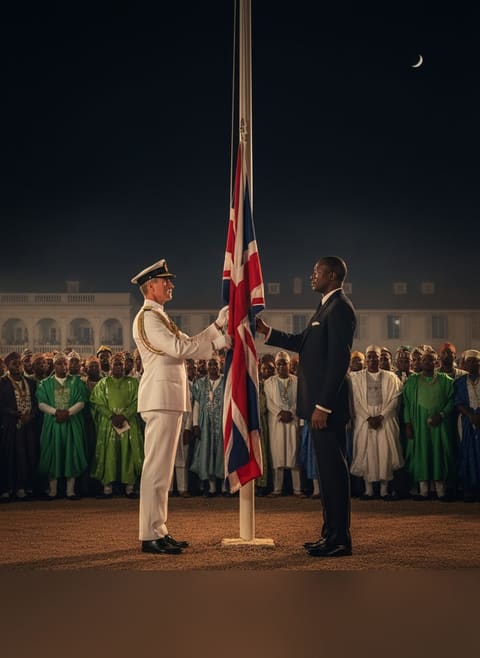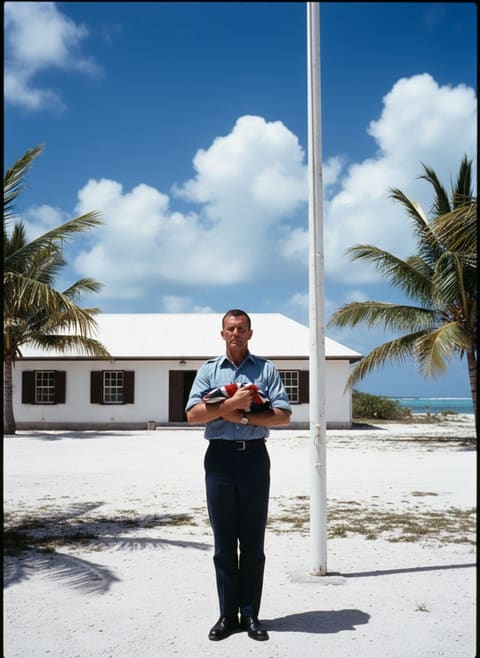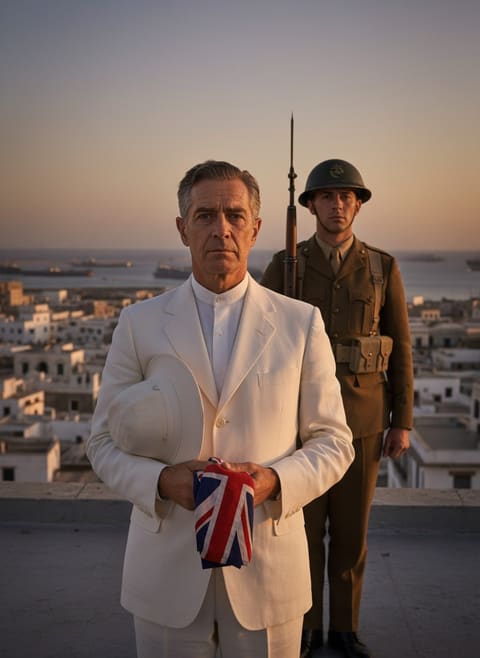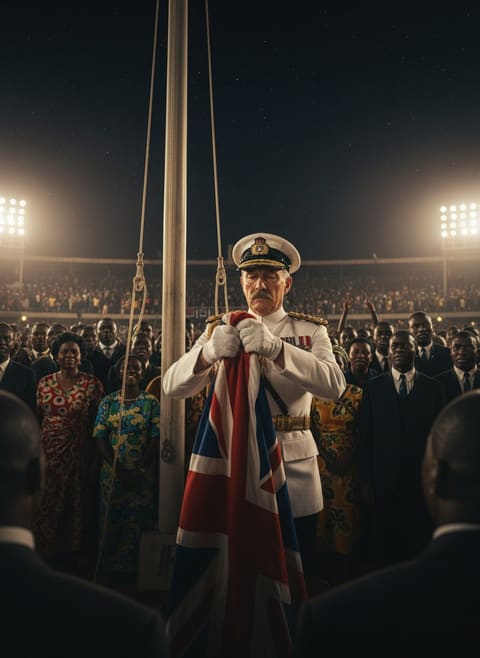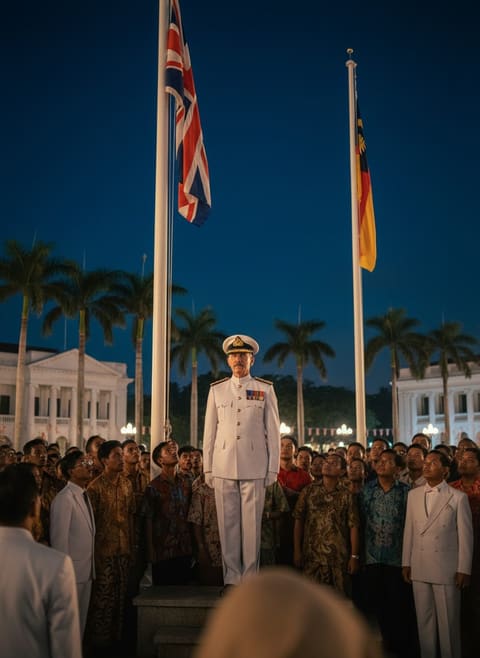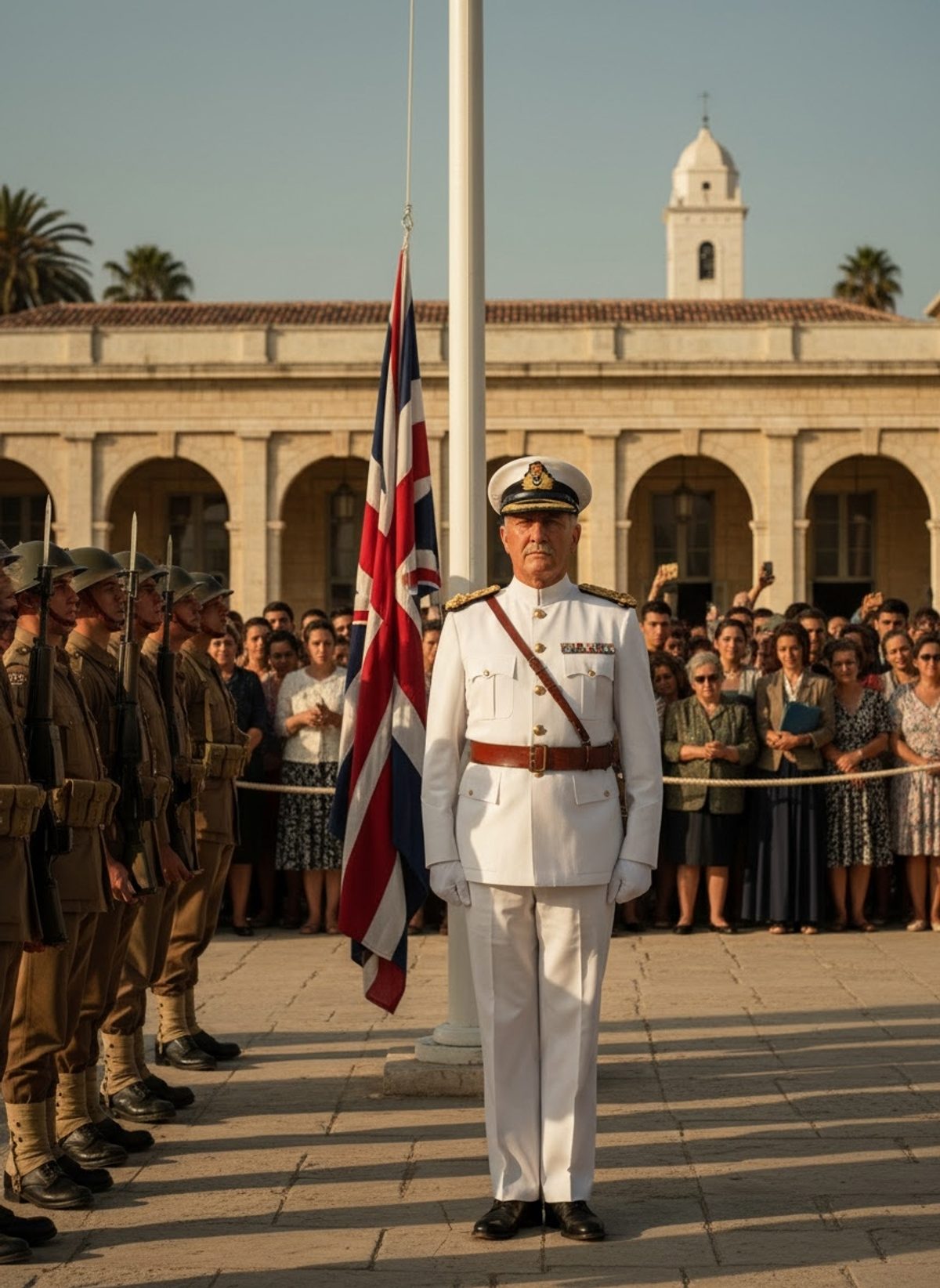
A slow breeze lifted the edge of the Union Jack, teasing it into a ripple against the pale blue sky over Cyprus. The flag, half-soaked in the brilliant Mediterranean sun, hesitated at half-mast before its final descent. All eyes were on the bright rectangle of fabric — a symbol of empire unfurling through decades of history, now receding into the annals of time.
An audience of soldiers stood solemn, their shadows merging into the dry earth below. As the British governor gave a silent nod, the illusion of permanence faded. The flag slid gently down the pole, leaving behind not just clear skies, but a moment caught between past colonization and emergent nationhood.
The Setting Sun of Empire
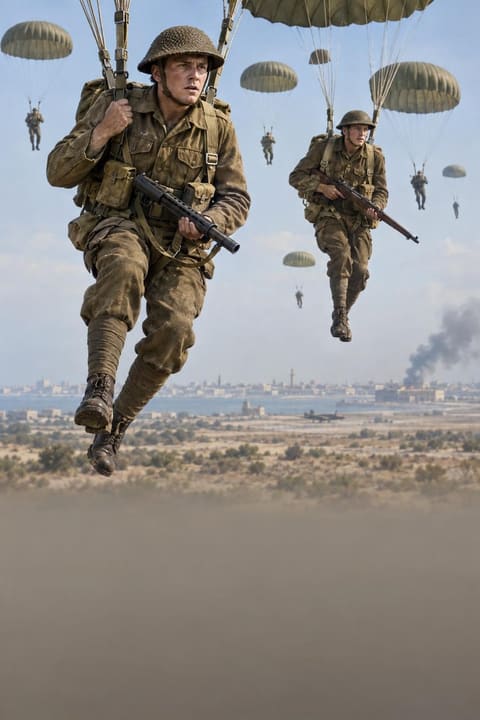
The echoes of British boots had long resounded through the cobbled streets of Nicosia and the rugged paths snaking through the Troodos Mountains. From 1955 to 1959, those footsteps had often been hurried and pursued, as the conflict between British forces and Greek Cypriot fighters of EOKA raged in the island’s dusty olive groves.
The guerrilla war was a demanding one, marked by ambushes and street battles that tested the resolve of Britain's authority. Yet in 1960, what was once thought of as an enduring outpost of empire would become its own nation. Britain’s decision to ease its grasp signaled more than a mere political transition; it marked the changing tides of global power dynamics.
Read next: When Chamberlain Traded Czechs for Peace and Got Neither, 1938
The negotiations leading up to Cyprus’s independence revealed a labyrinth of diplomacy. The Zurich and London Agreements, though achieved away from the public eye, offered a curious tapestry of compromises.
What emerged was a nascent republic, its name resonating as both a promise and a contention in the divided hearts of those who called Cyprus home. Significantly, with the dropping of the Union Jack came the rise of Cyprus’s first national flag — a potent blend of historical aspirations, devoid of the symbols that once intertwined the island’s fate with Britain's imperial journey.
Unfurling the Future
As the final furl of the Union Jack vanished from view, Cyprus's new flag was raised to the quiet cheers of onlookers. Its design was symbolic, even audacious: a stark white backdrop void of colonial colors, featuring the map of the island in copper orange — a nod to Cyprus’s rich resources.
Twin olive branches, harbingers of peace, subtly cradled the island’s silhouette. This wasn’t merely a declaration of independence; it was a nation’s aspiration to unify its diverse populace under a common purpose and identity.
Yet the ceremony that day belied the complexities beneath the polished veneer of optimism. Within this symbolic gesture, the anticipation of what lay ahead meshed with anxieties over intercommunal tensions between Greek and Turkish Cypriots. The international community watched closely, aware that this new beginning did not erase history's deep-seated divisions. It was a precarious peace, and the call for unity met the backdrop of historical grievances and geopolitical interests ready to resurface at the slightest provocation.
The Human Element
Among those gathered at the historic handover were figures whose lives had been intertwined with the island’s struggle. Veterans of the resistance mingled with diplomats, and local families joined the assembly, each person representing a distinct chapter of Cyprus's journey from subjugation to sovereignty. For many, this moment was bittersweet — a culmination of prolonged sacrifice and the hope for a more harmonious future.
In the textured landscape of Cyprus, the transition was not just political but deeply personal. Conversations that day were punctuated with recollections of battles fought and fallen comrades whose dreams were now being realized. The ceremony was both an end and a beginning, a closure of colonial narratives and the tentative construction of a new one, bearing equal parts hope and uncertainty.
Read next: When the Guns Fell Silent Above Stanley, 14 June 1982
From Ceremony to Reality
As Britain withdrew its physical presence, the intricacies of governance awaited the new leaders of Cyprus. Challenges loomed large — constructing stable institutions, mediating ethnic divides, and navigating the cautious balance between external influences. The weight of diplomatic expectations rested heavily on Cypriot shoulders, as alliances formed and the international chessboard continued its perpetual play.
Britain's historical legacy, wrapped in the semblance of faded flags and ceded territories, did not simply evaporate. Its influence echoed silently in legislation and political structures, much like an architect whose blueprint shapes unseen future edifices. Meanwhile, Cypriots faced the immediate complexities of emerging governance and the delicate task of bridging internal divisions.
The echoes of independence continue to resonate through time. For Britain, handing over the reins marked an undulating retreat from its colonial past, yet another node in the intricate web of its imperial narrative. For Cyprus, the lowering of a foreign flag was both a culmination and a preamble — the opening lines of a story still being written by its people.
Why does this moment matter? It's a story of tenacity and transformation — where an island defined by ancient histories dared to reforge its identity anew. This transition whispers to us of the quieter revolutions that unfold in silence; where the grace to release transforms power not by clinging to it, but by letting it be reborn elsewhere.