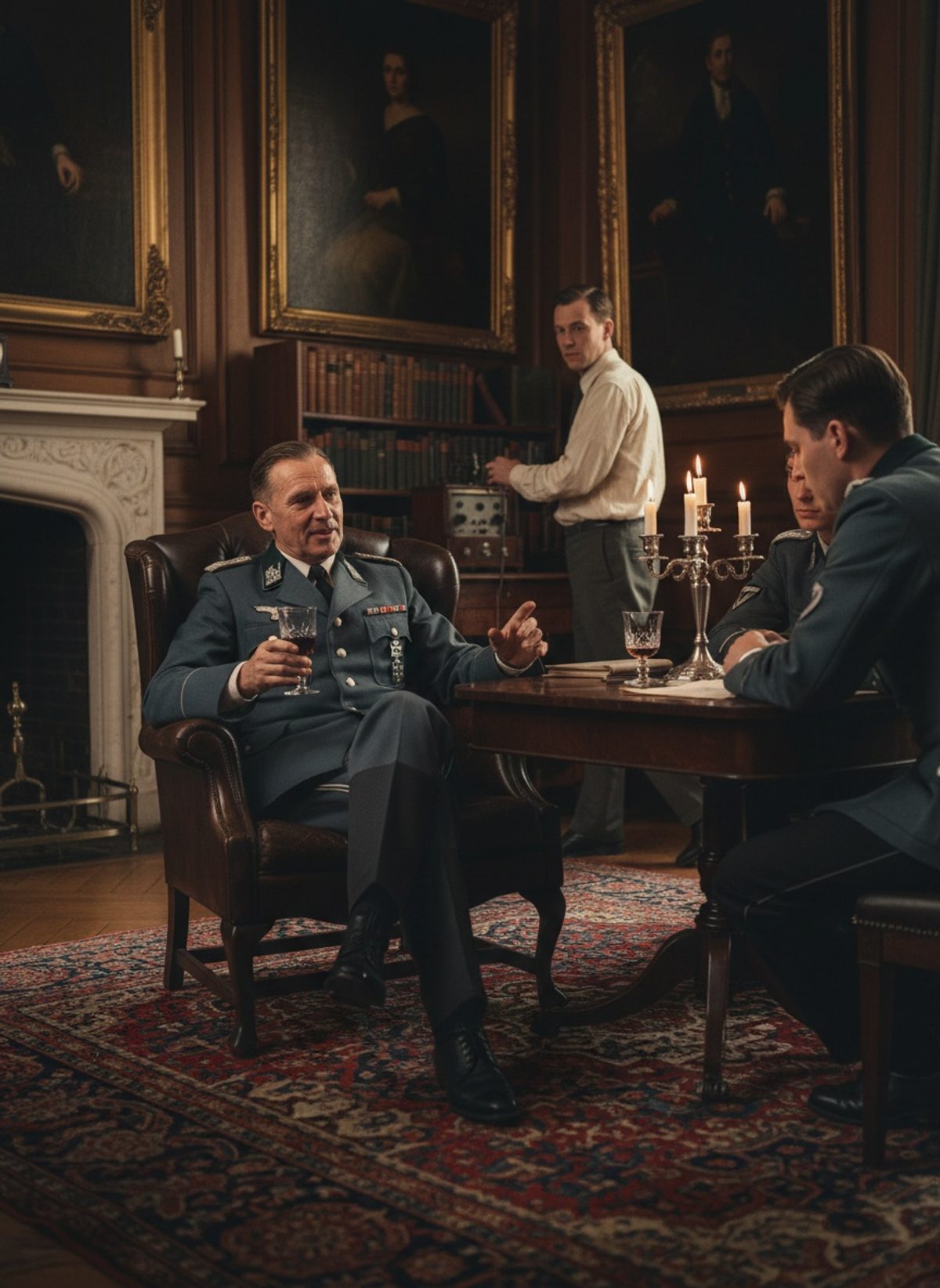
The English countryside in the summer of 1942 was a serene tableau, punctuated by the song of thrushes and the gentle rustle of trees swaying in a soft breeze. Underneath this picturesque calm, however, lay the modern aggression of World War II—a conflict brewing not only in the skies and seas but behind the discreet walls of stately manors. These grand homes, ghostly with secrets, played an unexpected role in Britain's wartime intelligence efforts, as the British military transformed them into sophisticated traps to glean the Reich's most hidden truths.
The Voices in the Walls
At first glance, the ornate interiors of Trent Park, Wilton Park, and Latimer House provided comfort and luxury to their high-ranking German occupants—capturees of the battlefield thrust into the curious role of house guests. However, beneath the illusion of hospitality, these country estates were far from ordinary prison camps. They were covertly engineered by the Combined Services Detailed Interrogation Centre (CSDIC), transforming them into elaborate listening posts where the main objective was to unlock the secrets of the Wehrmacht by stealth rather than force.
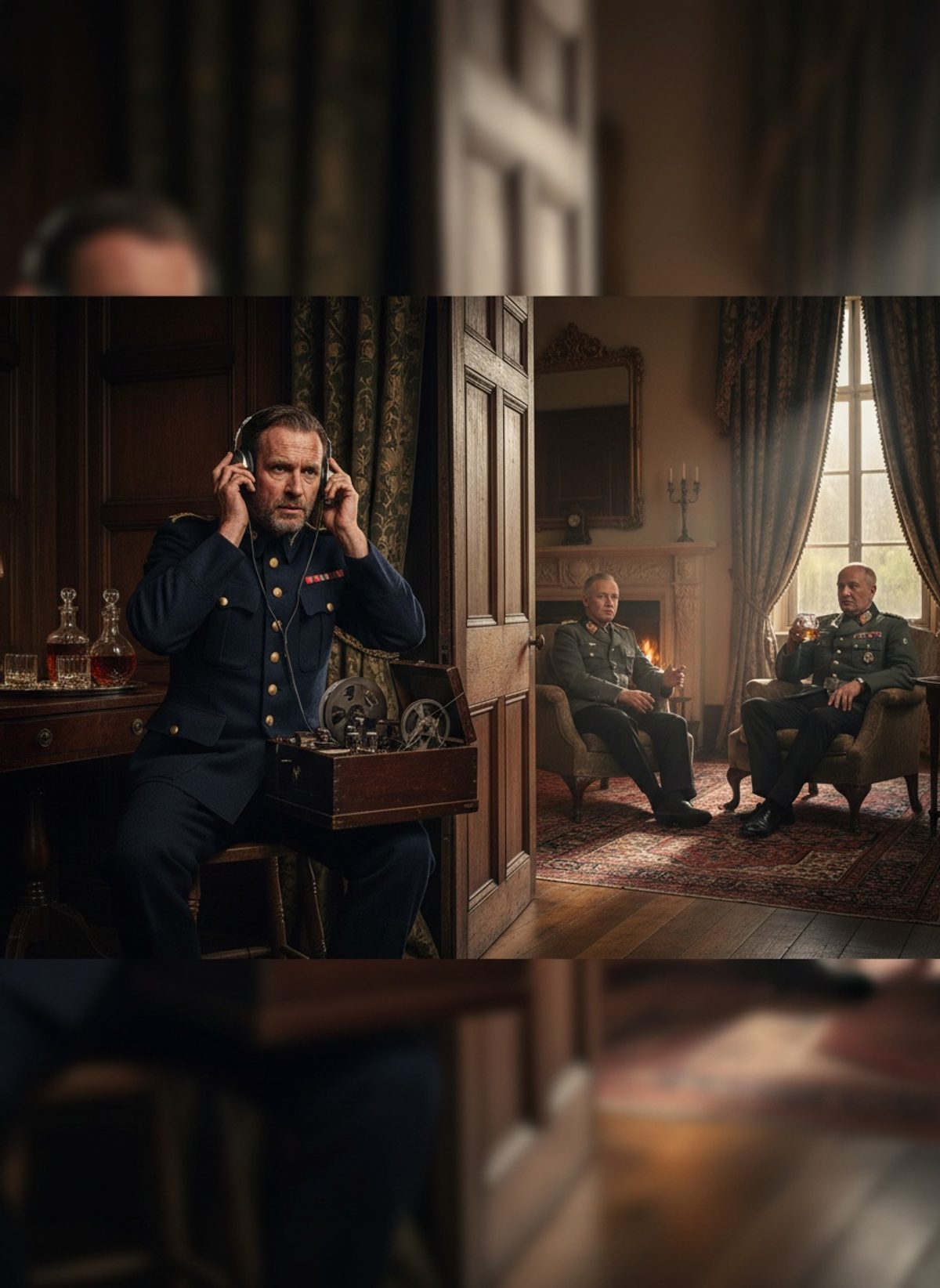
From late 1942—and escalating as the war intensified—brandy and cigars were not just indulgences but calculated tools of espionage. The officers were lulled into a false sense of security, each gilded room designed to keep them off-guard. Unbeknownst to the German generals, their conversations were being meticulously recorded by hidden microphones expertly embedded into walls, light fixtures, and even in the fine china from which they sipped. These devices were part of a larger operation that exploited the very nature of human interaction—capturing unguarded conversations that more traditional interrogation techniques might never unearth.
The CSDIC's strategy hinged on human weakness and the subtlety of environmental manipulation. This method of gathering intelligence capitalized on the natural inclinations of the captured officers. With their defensive facades gradually softened by alcohol, companionship, and unexpected comfort, the prisoners would reminisce, boast, and reveal, trusting in the privacy of camaraderie that was illusory at best. It was in these candid talks that they unwittingly divulged vital military information, troop movements, weaponry capabilities, and sometimes insights into high command intentions, all dutifully recorded by the hidden ears of British intelligence.
Read next: When British Intelligence Broke Germany's Spies With a Teacup
An Orchestra of Espionage
Within this clandestine concert of intelligence-gathering, each estate played its part like different instruments in a symphony. At the forefront was Trent Park, the crown jewel of this deception. Captured Field Marshals and top-ranking officers were ensconced in an opulence that mirrored their pre-war lives. Its elegant social spaces became venues for relaxed chatter. But while they strategized on the chessboard or debated over literature, CSDIC officers listened intently, nestled in nearby listening posts, their headphones alive with the quiet hum of covert revelation.
These conversations were carefully cataloged, distilled into actionable intelligence that would flow into the broader Allied war effort. The data informed strategies, supported military operations, and sometimes confirmed or refuted existing assumptions about the German war machine. This meticulous process, developed at the intersection of human psychology and technical sophistication, represented a new frontier in wartime intelligence.
Latimer House and Wilton Park, too, bustled with activity. Each had its nuances—battlefield captives shared insights into the mindsets and morale of the troops, debated Hitler's decisions, and occasionally let slip details about technological innovations in the German arsenal. The intelligence gleaned here was not merely tactical but strategic, weaving a complex picture of Germany's internal dynamics. In conversations among peers, free from immediate suspicion of surveillance, the prisoners sometimes revealed fractures and dissent within the high command, opening windows into the tensions hidden beneath Nazi propaganda.
The Puzzle Pieces of War
As the war raged on, the impact of this unusual form of intelligence collection became increasingly significant. The information harvested from these operations helped shape key Allied actions. The strategic bombing campaigns, preparatory deployments, and the timing of the D-Day invasion in 1944 all benefitted, albeit indirectly, from the distilled conversations of enemy generals. Through these serene English manors, the British transformed the war of fields and skies into a battle of whispers—a battle they were winning one conversation at a time.
Yet, the story of these stately homes—and the light they shone on the shadowed pathways of espionage—stood nearly invisible, eclipsed by more overt tales of assassination plots and daring raids. These houses, with foundations laid long before total war darkened Europe, nestled a vital link in the chain of events that led to the Allied victory. More than just bastions of privacy, they were crucibles of intelligence, displaying the primal power of information over brute force.
Today, as we look back at the legacy of these wartime machinations, a profound understanding emerges: it was as much the art of listening as the courage on battlefields that shaped the course of history. The legacy of these operations lies in their demonstration of psychological insight and technological inventiveness in the service of checkmating the Axis powers. In this clandestine struggle, Britain's wartime intelligence went far beyond the expected, crafting victories from silence, one whispered word at a time. These operations obscurely nested in luxury taught a timeless lesson: that in the intricate craft of war, information is perhaps the most potent weapon of all.