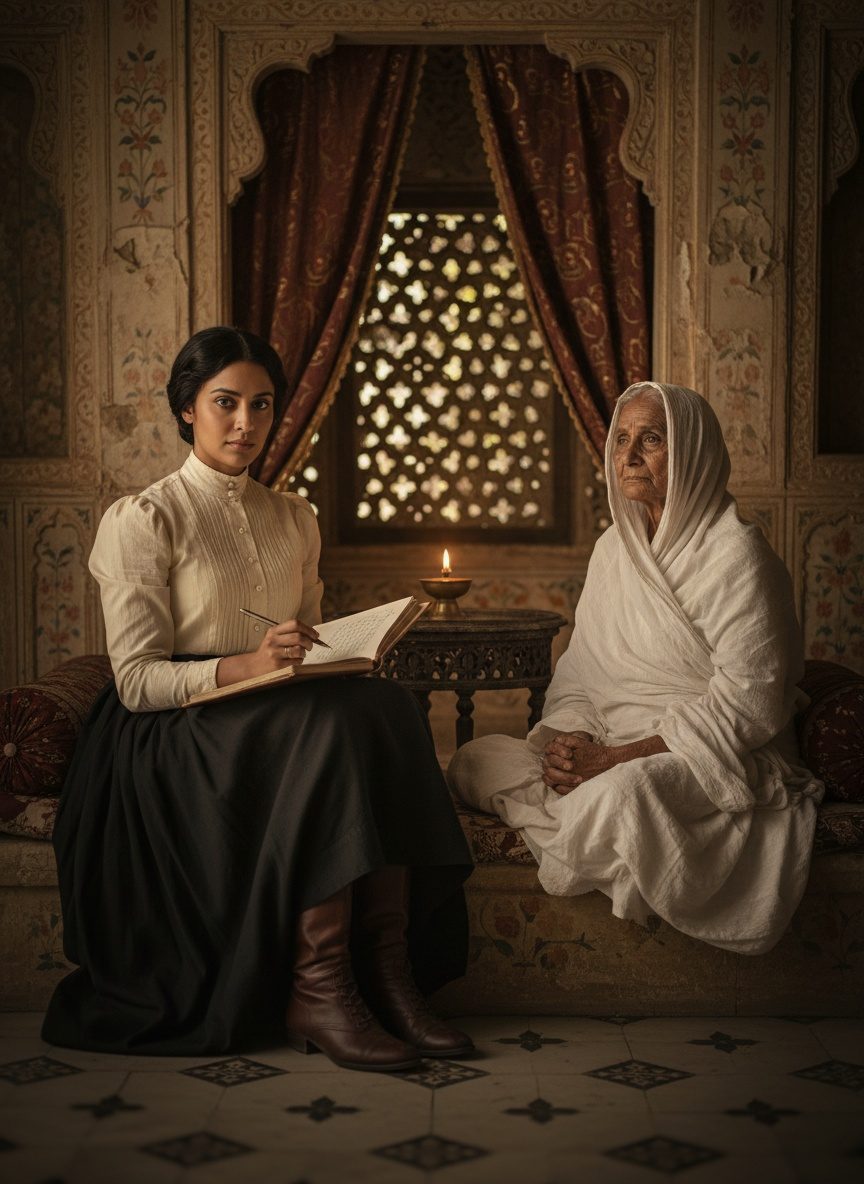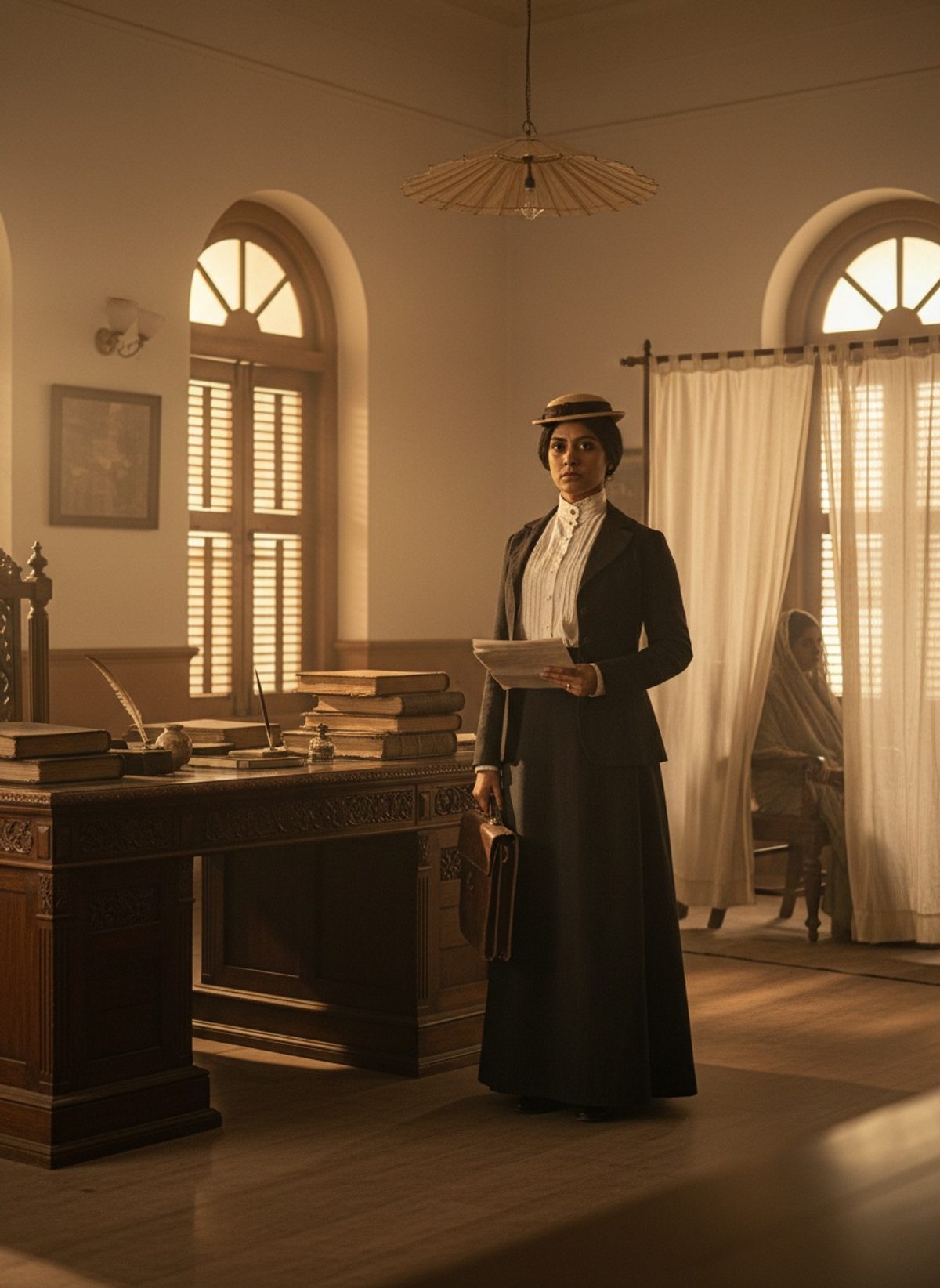
The quiet shuffle of slippers collided with the muffled whispers beyond a rich tapestry draped across the threshold. Cornelia Sorabji paused, a swirl of dust motes swirling in a solitary beam of light beside her. The scent of fresh jasmine mingled with the tang of sandalwood, and beyond the curtain, the world of the zenana lay waiting—a sanctuary where women lived lives set apart, unseen by the outside world. Taking a breath, Cornelia stepped through, breaching a boundary not just of mahogany and fabric, but of history itself. Here, at the heart of the British Raj's legal system, she was about to alter the contours of justice most profoundly.
In the year 1904, Allahabad basked under the late afternoon sun, streets alive with a rattling chorus of horse-drawn carriages and vendors hawking their spices. Yet within these bustling avenues stood stark remnants of colonial rigidity, where separate spheres for men and women were unyieldingly maintained. For most, the concept of the zenana—the secluded quarters reserved for women—evoked images of mystery, privacy, and confinement. It was in these spaces that Cornelia, armed with a formidable intellect and an Oxford education, found her calling and her challenge.
Cornelia Sorabji's path was uncharted. Born in India to a father who had been a missionary and a mother who was an educator, Cornelia's upbringing was steeped in an unusual blend of British and Indian influences. Her parents, advocates for female education, fostered a keen sense of justice in their daughter. Encouraged by family friends and mentors, these forces propelled her across oceans to become the first woman to sit the Bar examinations at Oxford University. Despite this extraordinary feat, there stood an insurmountable barrier: she was barred from practicing law upon her return to India.
The British legal system in India faced an intriguing paradox. While strides had been made in expanding legal rights, many women of the zenanas remained voiceless, cloistered from the sprawling tapestries of power systems and courtrooms outside their quarters. One such woman, a widow whose land was on the brink of unjust seizure, awaited a fate seemingly ordained by the salve of tradition and law. Nonetheless, it was here that Cornelia's presence signaled a shift, her footsteps echoing through the halls like a new gospel to the ears of those yet unheard.
Read next: When Cornelia Sorabji Stood Before the Privy Council, 1906
Cornelia's role was neither litigant nor barrister; she was something much more radical. As a legal advisor enabled by the British Raj, she utilized the unique position to bridge the chasm between British jurisprudence and the hidden plights of India's women. She became these women's secret counsel, their legal translator and advocate. Her efforts were not merely a matter of channeling the letter of the law. They required navigating cultural nuances and drawing out stories that had never before breached the threshold of louder, male-dominated proceedings.
Inside the zenana, Cornelia's presence was nothing short of transformational. Her empathy extended beyond mere legal acumen. While she combed through affidavits and land deeds, she wove narrative threads with which she could sew together justice from layers of the fractured social fabric within these women’s lives. One by one, her visits lifted veils of misunderstanding, unveiling the complex, yet singular conviction that justice was an undeniable right, irrespective of gender or geography.
Allahabad’s streets encircled the courthouse, but the changes within its walls reached far beyond the colonies. By saving the widow's land, Cornelia had bi-sected an inglorious tradition’s grip and injected a semblance of fairness into proceedings that had long disavowed accessibility. Her involvement had tilted the scales slightly, offering a promise of resolution in a world accustomed to male-centric decrees. Such victories, though few and quiet, accumulated over time, challenging and slowly reshaping the status quo within this complex layered society.
Yet, in a world of structural restrictions, Cornelia's work was far from celebrated across the board. Many resisted the notion that a woman belonged anywhere but within domestic confines. Detractors questioned her capacity, authority and at times, even her very right to alter these women’s lives. A harsh reality of Cornelia's work was that it unfolded largely in isolation. She maneuvered within a system indifferent to recalcitrant traditions, one where the very idea of a female lawyer was half anecdote, half anomaly.
As days unfurled into years, Cornelia's chosen path illuminated possibilities not only for herself but for countless others. She demonstrated that advocacy transcends gender-based limitations and that courage sometimes manifests not in defiance but in steady persistence during quiet revolutions. Her story was not just one of access to justice but of redefining who gets to seek it—and under what terms.
Cornelia Sorabji’s life illuminates the intricacies and ironies of frontier justice within the British Raj. In taking that decisive step across a zenana threshold, she challenged entrenched norms of women’s capacities and rights. Most significantly, she forged pathways within systems resistant to change, cushioning modernity's relentless pace with tempered, assured guidance. Her legacy acts as a potent reminder that sometimes, history's most enduring transformations do not arise from the center of power, but rather echo from its peripheries—the quiet, audacious ones who dared to cross into new territories long believed impregnable.