The Surgeon Knight Returns
By 1900, Frederick Treves was a hero in Britain—a knighted surgeon, celebrated for his medical acumen and for saving the life of King Edward VII. His fame, however, was not confined to the royal court. Treves had made a name for himself as a compassionate doctor who treated the most marginalized patients, including the famous "Elephant Man," Joseph Merrick. Known for his steady hands and resolute spirit, he had earned an enviable reputation among both peers and patients.
But when news of the calamity at Spion Kop reached him, something stirred within the renowned surgeon. The Battle of Spion Kop, fought on the 23rd and 24th of January, 1900, during the Second Boer War, was a disastrous affair for the British forces. They faced a devastating defeat against the Boer commandos, with hundreds of men killed, wounded, or missing. The casualty lists were harrowing, and many of the injured men remained unattended in the field. For Treves, to sit idle when he could lend his skills to this urgent cause was unconscionable.
Walking Back Into the Fray
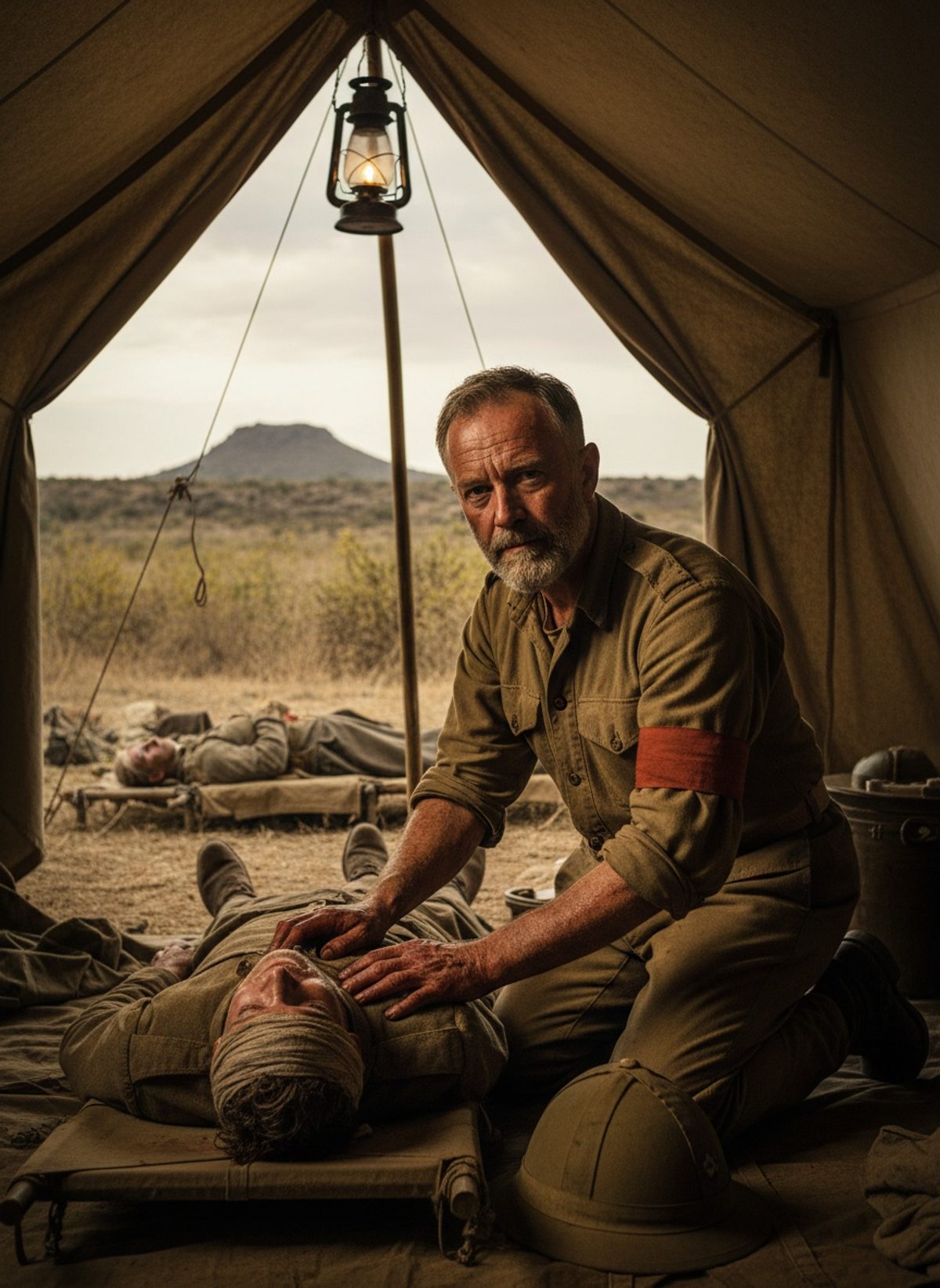
Armed with his medical kit and an unwavering resolve, Treves embarked on a journey back to South Africa. Decades had passed since he first traveled to the continent—initially as a surgeon with the British Army during the Anglo-Zulu War of 1879. The landscape that greeted him this time was dramatically different, scarred by the ravages of the ongoing conflict. Upon his arrival, he was faced with improvised tents and makeshift hospitals, where the whimpering of soldiers filtered through the thin walls in the numbing night air.
The conditions at the Spion Kop battlefield were appalling. Wounded men lay strewn across the hillside, many of whom had endured days without proper medical care. The combination of tropical heat and cold nights took its toll on the injured and the medics. Yet Treves, with methodical precision, set to work. He treated injuries with the tools at his disposal, carefully extracting bullets, stitching wounds, and administering whatever relief he could. For every life he saved, countless others slipped away, and each loss weighed heavily on his shoulders.
Read next: When the Mud of Passchendaele Swallowed an Army, 1917
The Lesser-Known Heroes
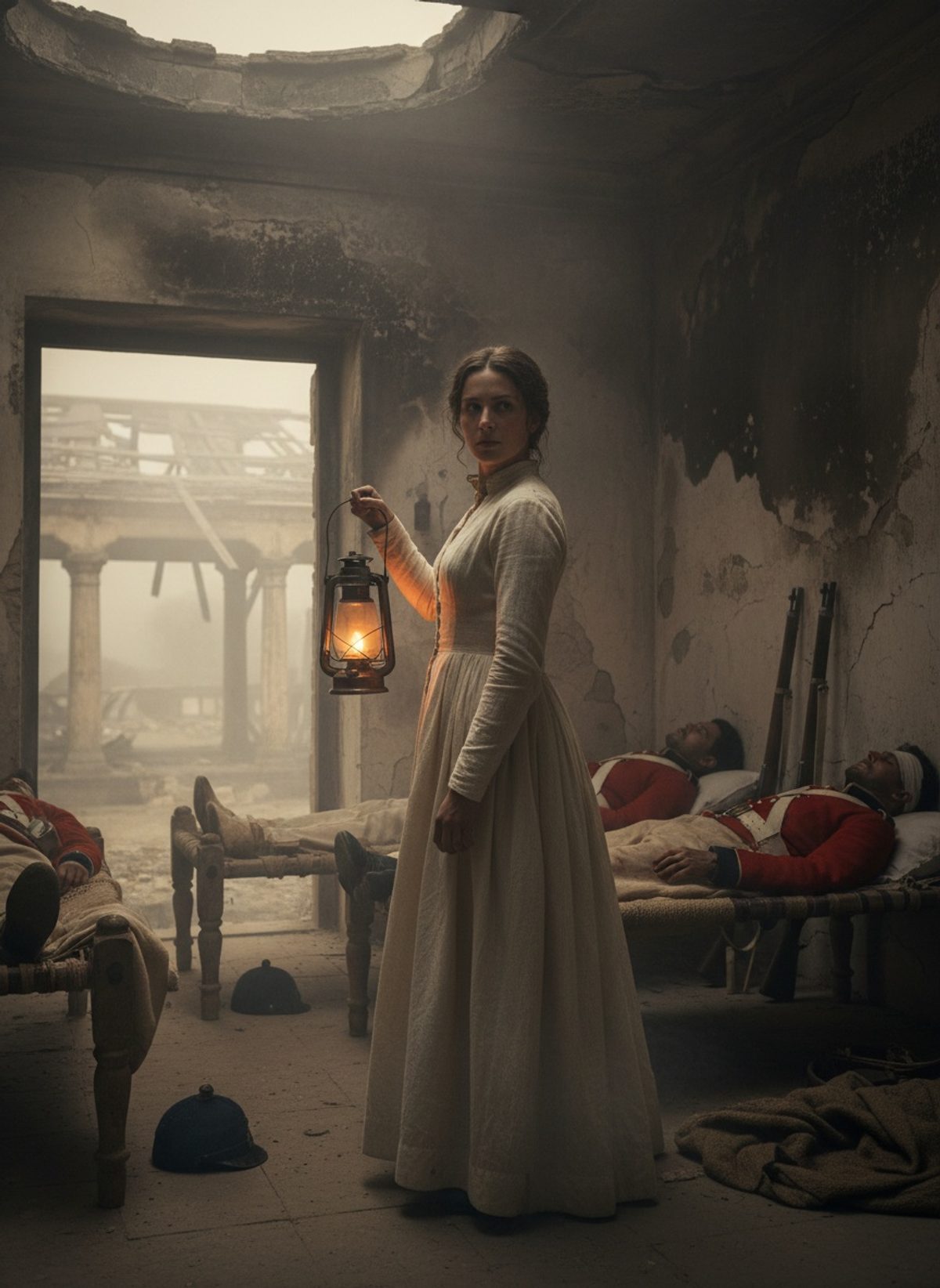
Frederick Treves was not alone in his mission. Among the few medical personnel brave enough to operate under such perilous conditions were a mix of army medics, volunteer nurses, and civilian doctors. They labored tirelessly against the odds, often with few supplies and the constant threat of attack looming over them. The battlefield hospitals were places of indescribable suffering, but they also bore witness to acts of quiet heroism—from medics who risked their lives to drag wounded soldiers to safety, to nurses who sat by the beds of the dying, offering what little solace they could.
Despite the grim reality of the situation, Treves and his colleagues displayed an unyielding commitment to their duty. Their actions often went unrecognized by the broader public, overshadowed by the military blunders and political machinations that characterized the war. Yet, these unsung heroes played a critical role in ensuring that many soldiers who might otherwise have perished survived to fight another day; their contributions, though largely forgotten, were indispensable to the war effort.
Reflections from the Hilltop
As Frederick Treves prepared to leave Spion Kop, the weight of the experience lingered. He had witnessed the horrors of war firsthand and had confronted the fragility of life in the most profound way. The battlefield may have been half a world away from the opulence of London, yet it was here, amidst the dust and death, that Treves found renewed purpose. His efforts to save lives regardless of the odds highlighted a universal truth—that compassion and determination can shine even in the darkest of times.
Returning to England, Treves carried the memories of Spion Kop with him. They served as a stark reminder of the costs of conflict, the bravery of those who face it, and the power of one person's resolute spirit to make a difference. While history often forgets the struggles faced by the individuals within it, the story of Frederick Treves at Spion Kop remains a testament to the enduring impact of a single act of kindness amidst the chaos of war. His deeds, and those of the many medics and soldiers who shared that hellish summit, continue to offer lessons about humanity that resonate well beyond their epoch.