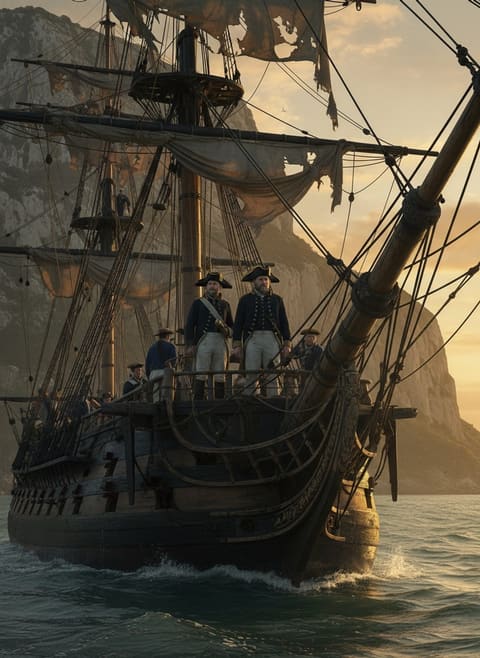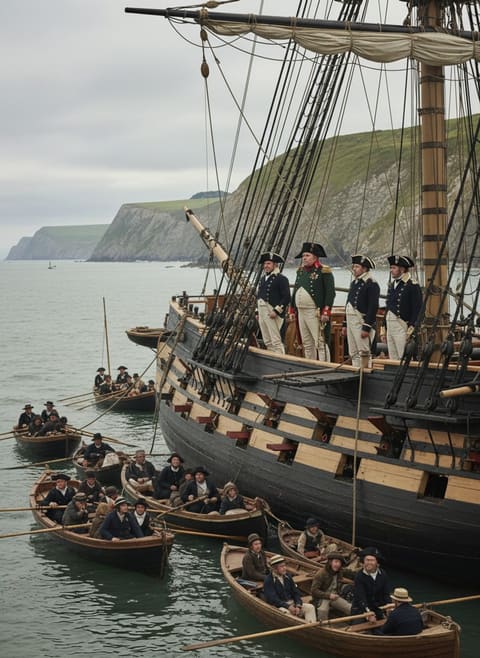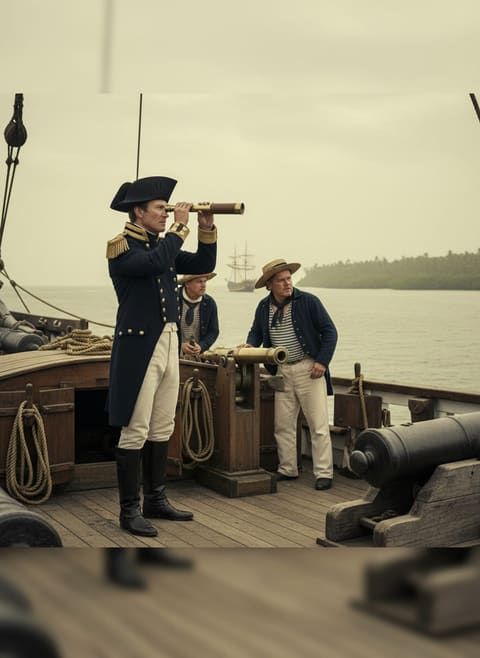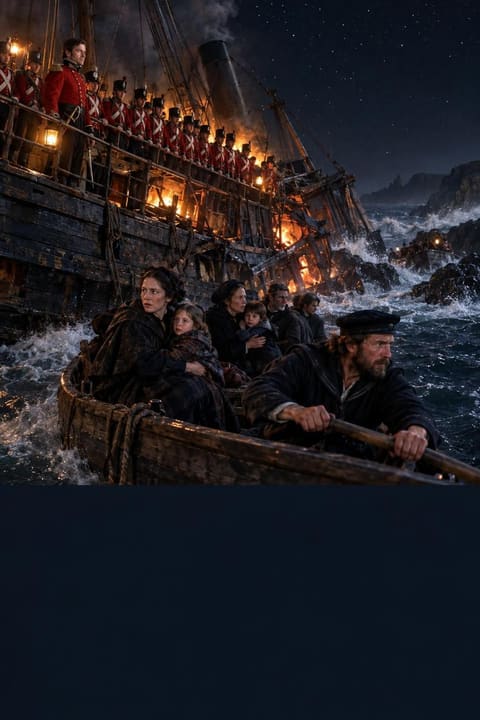
He was never meant to lead such a perilous mission. Captain Erasmus Ommanney knew the Arctic only from maps and tales of survival. Unexpectedly, he found himself navigating one of the Empire's most distant and dangerous frontiers.
The Bleak Desolation
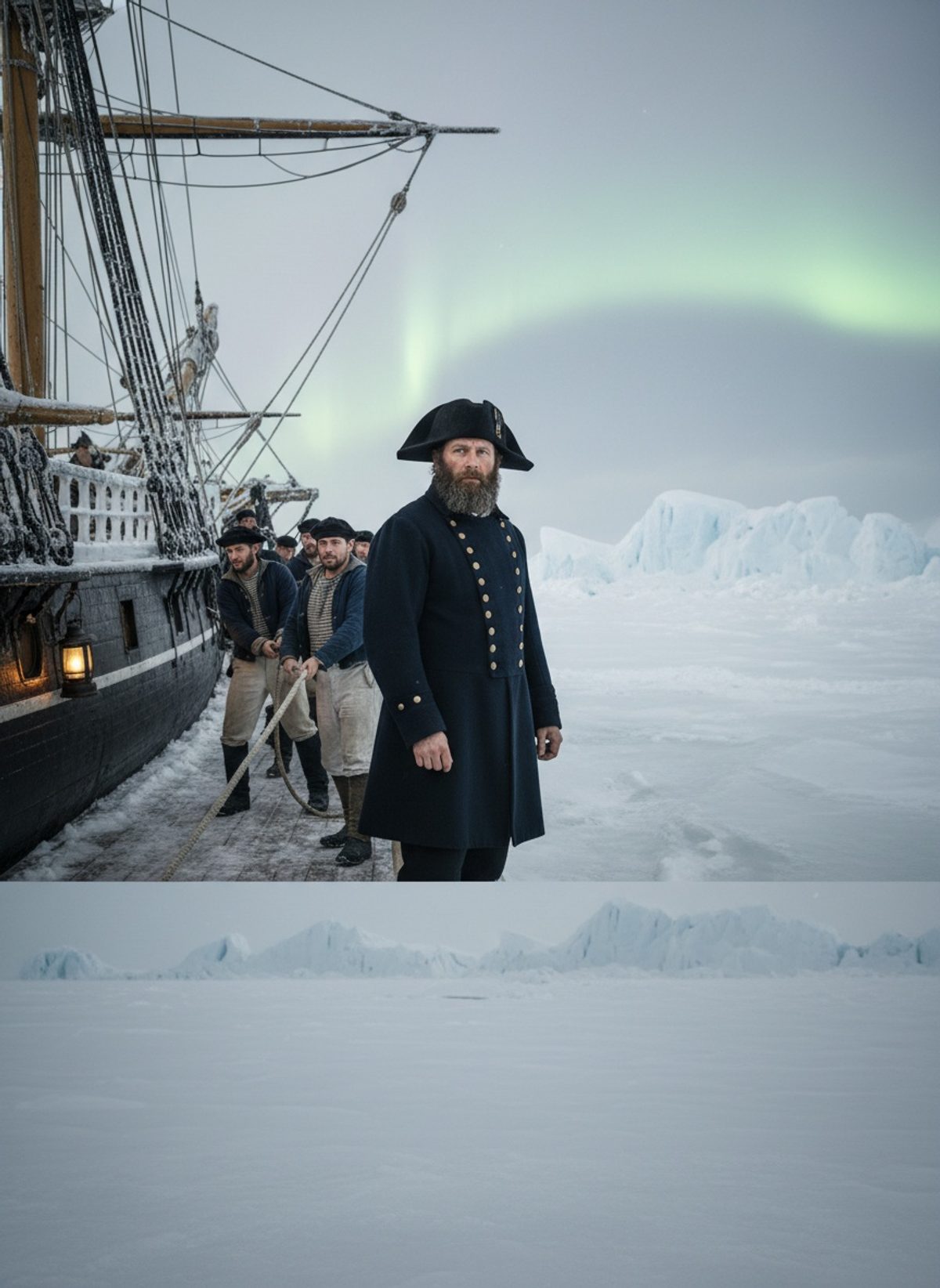
For months in 1850, HMS Assistance was trapped within the icy grip of the Arctic pack ice north of Baffin Bay. Enveloped in endless white, the vessel sat immobilized, a mere fragment of life in a vast, frozen wasteland. The mission was bound for heroism; its original goal: to find the missing Franklin Expedition, last seen braving this same barren frontier in 1845. Yet fate held no heroics, only the cold embrace of ceaseless winter.
As temperatures plummeted and days grew disturbingly short, the crews of the Assistance and her companion ship had to cope with isolation. The landscape, a haunting silence punctuated by the groaning of shifting ice, closed in around them. Each day melted into the next, an unchanging panorama of gray skies and reflective snow. In such an environment, mental fortitude was as essential as physical resilience.
Frozen in place, the men found themselves strangely adrift, tasked with survival rather than salvation. As time wore on, monotony posed an even greater threat than the cold. To combat it, the men adopted a strict regimen of activities—a crucial tether to their sanity. Through ingenuity and sheer will, the crew enacted a small semblance of the life they had known before.
Read next: When HMS Warspite Fired Her Last Shell and Came Home to Die
Games on the Ice
Amidst the forlorn stillness of the Arctic, fragments of warmth emerged through the crew's camaraderie. They carved a football field on the frozen sea, defying the inhospitable conditions around them. Matches were heated competitions, their shouting voices a defiant burst against the vastness that threatened to overwhelm them.
Beyond football, expression took numerous forms. Below decks, creativity flourished as the men staged theatrical productions. Makeshift costumes and roles allowed them to escape, if only temporarily, into worlds of adventure and humor far removed from icy battlements. These performances fostered a community among them—a vital connection when solitude loomed large.
Their creativity extended further, giving birth to an impromptu ship's newspaper. It chronicled daily activities, provided news from their isolated world, and entertained with fictional tales. In a place devoid of ordinary news, this publication served as a vital link to normalcy. It allowed the men a voice, to articulate their thoughts and fears, and to laugh when laughter felt impossible.
The Thawing Hope
The march of time was both an ally and adversary. As months passed and the sun crept back into the sky, hope began to thaw alongside the ice. Histories note Ommanney's keen leadership in steering his men through this dark period. He orchestrated their struggles with the succinct precision of a seasoned officer, a fact often overshadowed by the mission's overshadowing goal of rescue.
Read next: When Chatham's Shipwrights Laid the Keel of HMS Victory, 1759
When spring finally arrived, the release of HMS Assistance from winter's grip was bittersweet. Their mission to rescue Franklin had faltered, detoured by unforeseen force. What remained was a testament to endurance—a voyage through inertia that illustrated the Empire's unyielding spirit in the face of nature's harshness. Despite initial failure, the expedition contributed to mapping the Arctic, expanding British knowledge of the polar world.
The voyage of HMS Assistance reveals an unvarnished glimpse of Victorian resilience, stripped of its imperial pretensions and brought down to mere survival. It speaks to the human capacity to adapt, to find meaning amid desolation, and to hold onto the flickering light of civilization even when the darkness deepens.
In those icy bonds, locked within the Arctic's formidable grasp, the sailors forged an unwritten chapter of history—a forgotten legend, living on in the echoes of laughter beneath the Arctic sky.