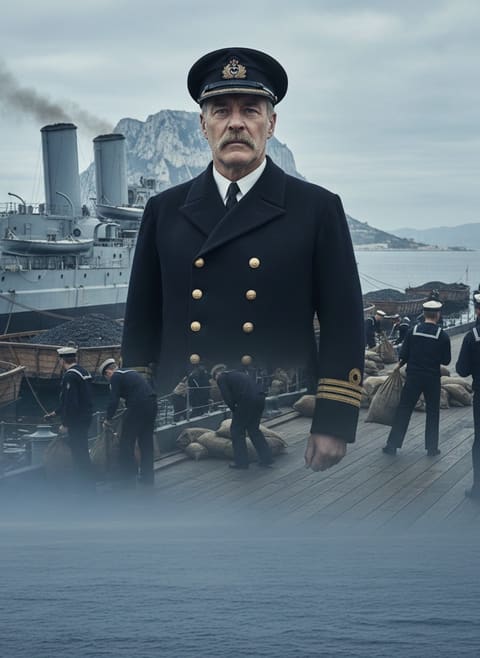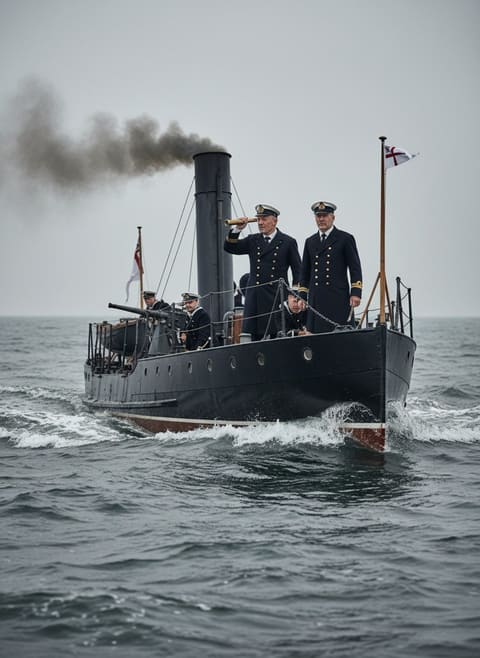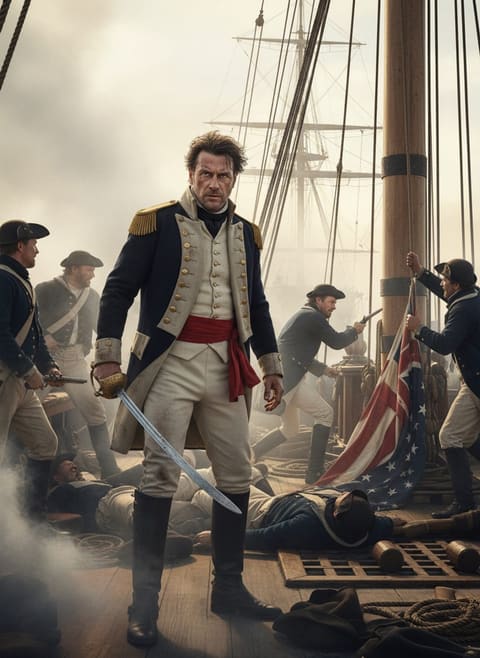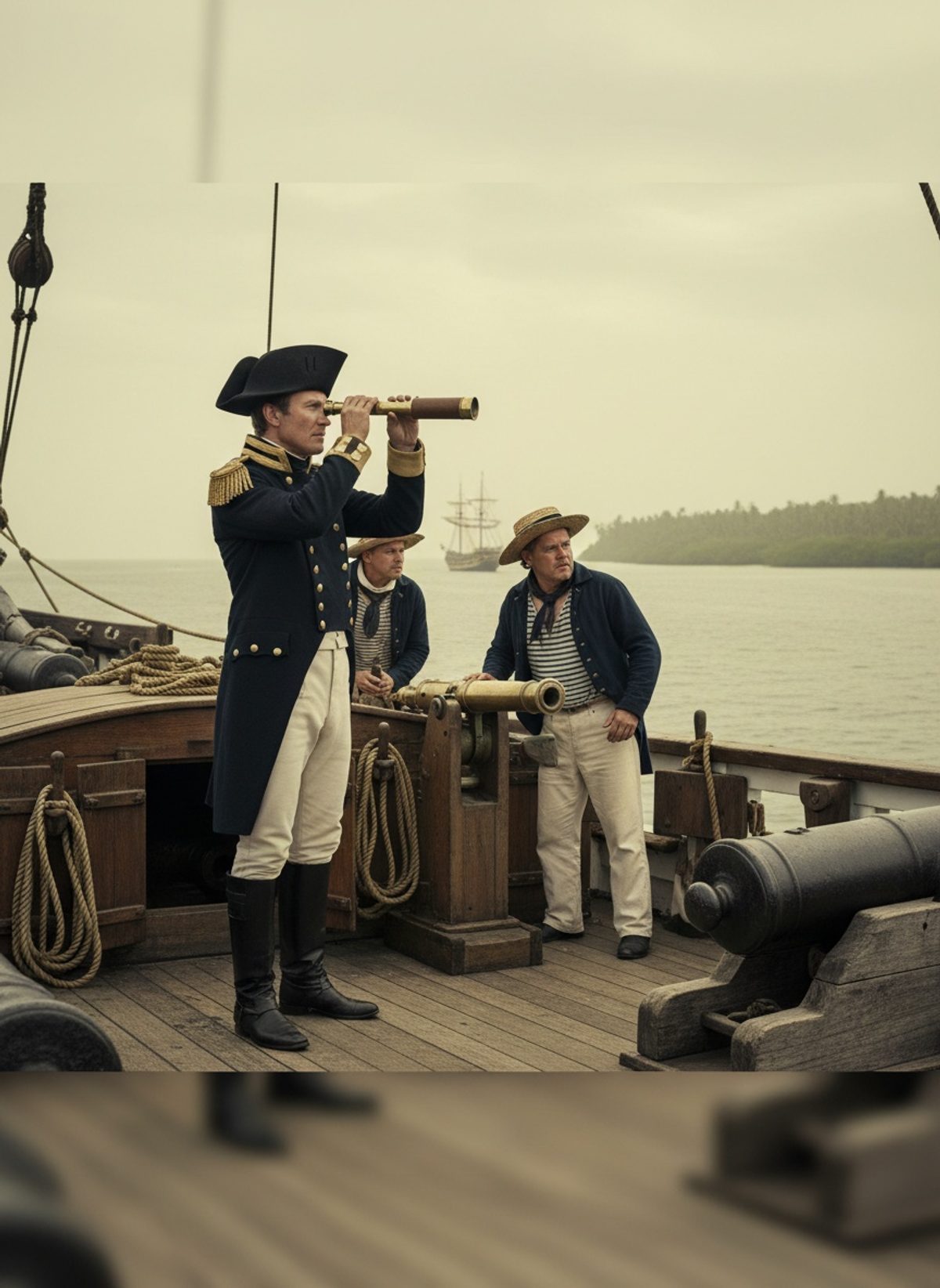
The piercing crack of gunfire shattered the humid stillness, its echo rolling over the restless waves of the Atlantic Ocean. Lieutenant Robert's heart thundered in his chest as he pivoted towards the source of the sound, the salty spray from the surging seas clinging to his skin. He stood resolute on the deck of HMS Harrier, wind whipping through his hair, eyes fixed on the distant sail growing ever closer. This was no ordinary ship; it was a slaver scuttling towards a fortune, its hold likely crammed with frightened souls. His orders were clear: intercept, board, and liberate, even if it cost him everything.
For nearly sixty years, the mission of the West Africa Squadron was as daunting as it was dangerous. In 1808, following Britain's pivotal abolition of the transatlantic slave trade, this formidable arm of the Royal Navy set sail with a singular purpose—to end the demonic trade that had plagued humankind for centuries. Along the coast of West Africa, a grim theater of moral and maritime warfare played out, the stakes defined not by treaties or territory but by the lives of innocent men, women, and children.
The squadron faced harrowing odds. The furious Atlantic offered little mercy, its waters teeming with the hidden dangers of shifting sandbars, sudden squalls, and shifting currents that could lead a vessel astray. Yet it was the invisible enemies—the unseen specters of malaria and yellow fever—that proved deadliest of all. Pulling into the sweltering harbors of Sierra Leone, they often encountered more gravestones than headcounts of their crew remained strong. Sailor after sailor succumbed to disease, a relentless attrition that claimed one in six lives, ravaging the ranks with a plaguing efficiency that sometimes rivaled that of the guns they faced.
Yet, with each victory, the Squadron's resolve deepened, fueled by a fierce determination to see justice for those whose voices were stifled in chains. The success stories were hard-fought and few, but each marked a precious turning of the tide. Over six decades, they seized 1,600 slave ships, their decks and holds scenes of heartbreaking human misery. The stories are many, yet chronicled in shadow, largely nameless and unsung. To ride against the heartbeat of the slave trade was to enter a labyrinth of high seas pursuit, where the prey was often faster, better armed, and manned by desperate men with everything to lose.
Read next: When Pellew Saved a Burning Troopship in Plymouth Sound, 1796
Advancements in maritime technology cloaked some slavers in speed and subterfuge. Nimble schooners, their twin-masted silhouettes ghosting through the murky dusk, could often outpace even the swiftest interception. Moreover, the cunning of profiteers knew no bounds—they drenched decks and cabins in subterfuge, employing false flags, hidden partitions, and coded manifests. It took a mind adroit in the craft of nautical espionage, matched with unwavering tenacity, to seek, find, and confront this scourge.
When Squadron vessels came alongside their quarry, they faced the heartbreaking sight of human cargo treated as expendable goods. Often the captured enslaved were found crammed into unspeakably tight quarters, where heat, filth, and despair hung thick in the air. It was in these moments that liberation transcended capture. The decks of His Majesty's ships became platforms of newfound freedom—for some, a leaf on the sea, for briefly chartered back to their homelands in defiance of despair, yet for many others, a path leading to the new colonies of Sierra Leone, the free town.
Yet these immense risks and monumental sacrifices were mostly undertaken by volunteers. Admiralty Orders seldom pressed men into service in the fever-ridden waters of the squadron’s domain; still, those moved by moral imperative and a sense of duty filled the ranks. For some, it was a chance at redemption, to erase the stain of old sins in thrilling service to humanity; for others, the quiet yet profound thrill of contributing to a cause larger than themselves was enough reason to risk all.
Read next: When HMS Implacable Burned Herself Into History, 1949
Through its arduous odyssey, the West Africa Squadron unwittingly charted a parallel course in global conscience—the growing awareness of the inhumane nature of the slave trade. Their fight bled beyond the pages of maritime dispatches into the fabric of public consciousness and law. The stories, occasionally recounted through the hushed tones of those who survived or found freedom, were enough to stir the agonies of moral introspection across a world complicit in their suffering.
As tales of their daring runs and storied battles fade into the mists, the unknown sailors who perpetrated these acts remain obscured beneath the shadow of historical neglect. Yet their legacy surges forward through each name freed rather than forgotten, in every hull once seized and now laid to peaceful rest. Their sacrifice is etched invisibly into the pathways of the maligned and mistreated, their actions felt in the freedom song that echoed along the corridors of countless liberated lives.
In an era where the news streams dilate past at breakneck speed, and information drowns in inundation, the West Africa Squadron’s mission was a testament to human tenacity and the cost of doing right amidst overwhelming adversity. Their sailors, mostly unnamed and unthanked, remind us of a singular truth—historical narratives granted power to shape the future are seldom untouched by the sacrifice of those courageous enough to chart its course. When we cast our gaze back on this period, let us owe these nameless guardians an unpayable debt—today’s freedom echoes the unsung notes of their battle hymns.