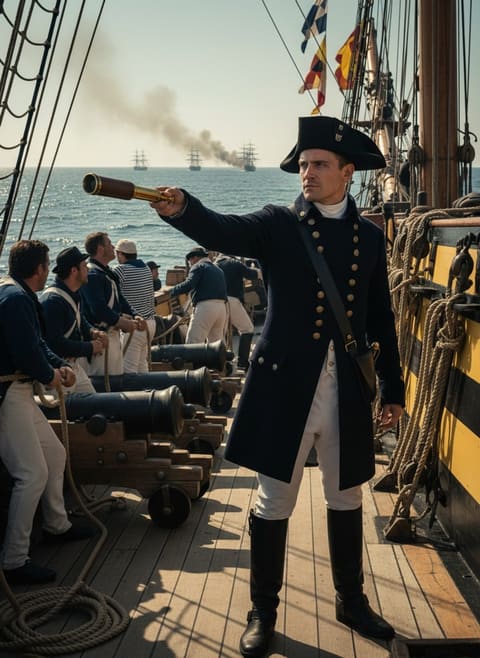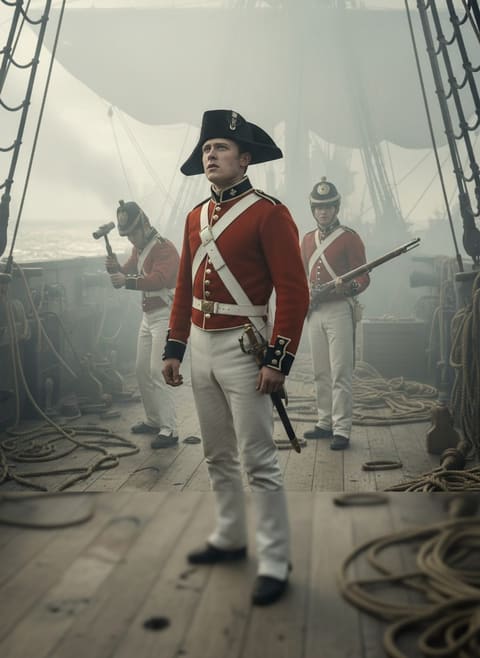
Most people have never heard of the night when Captain Edward Pellew became a hero. They should have.
A Calm Evening Interrupted
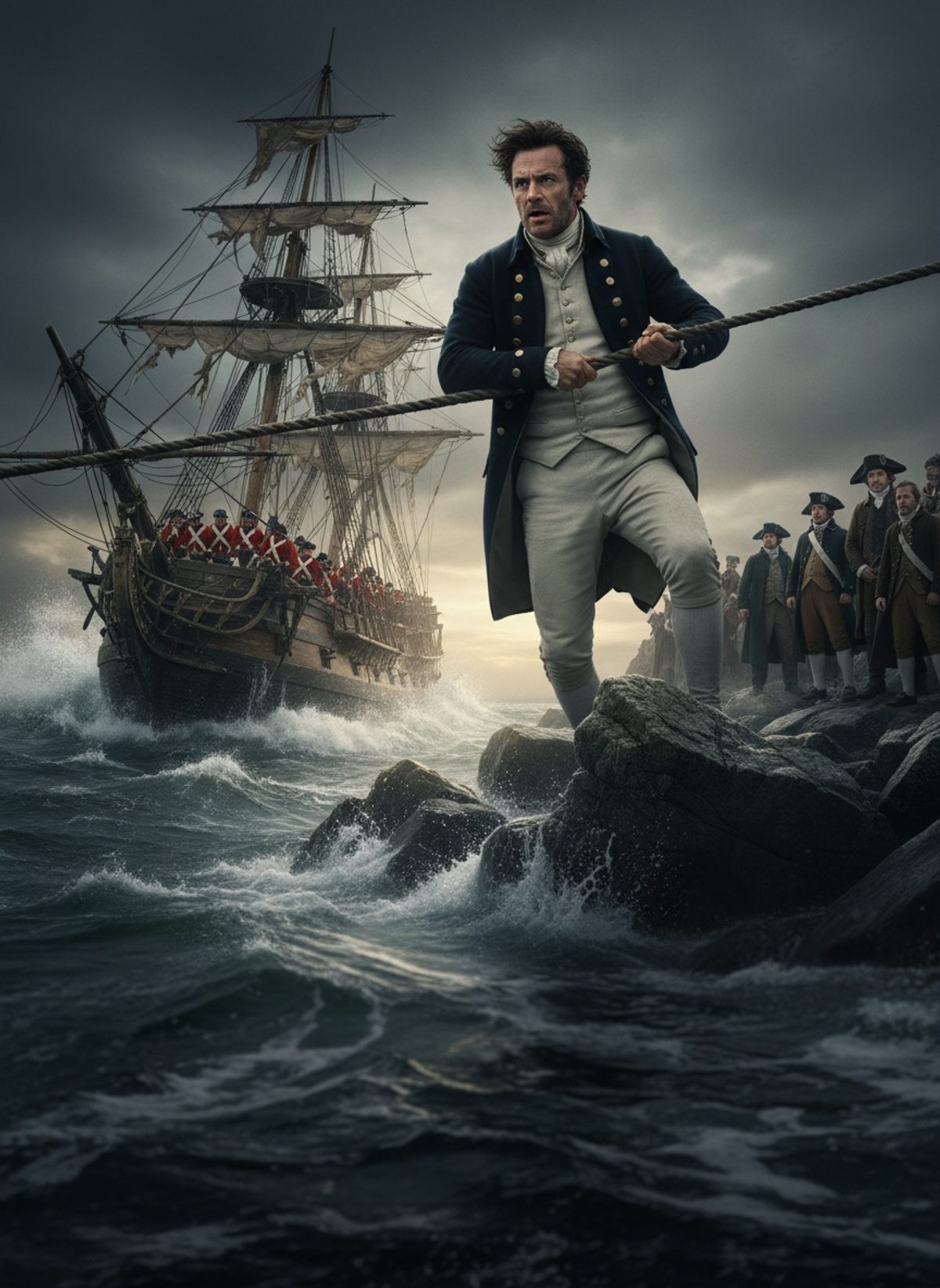
The evening of January 26, 1796, unfolded with the kind of deceptive calm that belied the storm’s furious intent. The port town of Plymouth Sound was known for its unforgiving waters, and on this fateful night, the elements conspired to present a seafarer's nightmare. The troopship Dutton, laden with soldiers bound for the Caribbean, found itself at the mercy of nature’s wrath. As the gale intensified, waves battered the ship mercilessly, and the dimly lit coastline became a confounding stage for what could have been a maritime tragedy.
Enter Edward Pellew, a man whose character seemed forged for just such a tempest. Captain Pellew, a seasoned officer of the Royal Navy, was not planning on a rescue that night. Having fortuitously been driven by the storm to seek shelter in Plymouth, he was merely in transit, his mind preoccupied with duties of a different sort. Yet, when he saw the commotion unfolding upon the waters, any thoughts of rest evaporated.
The Dutton had struck the rocks with a shuddering resignation, its wooden spine broken ceremonially by the sea’s relentless assault. As it began to splinter, throwing debris and lives into chaos, Pellew sprang from his carriage. It was a leap not just into the physical fray but into the annals of untold history. Instinctively, he stripped off his coat, revealing the kind of resolve that doesn’t simply respond to emergencies but races towards them.
Read next: When HMS Inflexible Stopped at Gibraltar and Changed the War
The Leap Into the Fray
What might have stayed a passing glance or a muttered prayer for those watching from shore transformed into a vivid tableau of desperation and heroism. Pellew dove into the turbulent waters, his figure emblematic against blackened skies pierced sporadically by lightning. The night was filled with the eerie chorus of wind, rain, and human panic.
Aboard the Dutton, confusion reigned. The soldiers, most of whom were young and untested, crowded the decks. Above the cacophony, officers attempted to instill order, but fear is a formidable opponent. Pellew’s stroke towards the ship was driven as much by duty as by an innate understanding of what leadership in such a maelstrom required.
With the deftness only a sailor of Pellew’s experience could boast, he navigated the treacherous path. It wasn’t merely about swimming, but about cutting through the pandemonium to steal control from disaster’s grip. By the time Pellew hauled himself onto the wreck, every eye was upon him—both those wide with terror and those seeking a glimmer of salvation.
Turning the Tide
Taking immediate command of the stricken vessel, Pellew’s presence was the beacon desperately needed. Amid the swirling wind and shouting men, his voice cut through—a lifeline cast to five hundred souls staring at fate’s inscrutable face. Captain Pellew’s reputation as a stern yet fair leader was well-known, and it served him well in that chaos. Clarity returned because Pellew embodied it. Orders flew from his mouth like flares leading the way to safe passage.
Pellew understood that any rescue attempt required quick thinking and unassailable valor. As soldiers crowded around the lifeboats, he organized an orderly evacuation while simultaneously battling the real threat, the encroaching tide that promised to mercilessly swallow the failing ship. Resistance was futile, not against the elements, but against Pellew’s vigorous command. Under his guidance, panic subsided, giving way to purposeful action.
The Royal Navy captain directed lifelines to be secured, fashioned makeshift rafts, and employed every scrap of maritime woodcraft at his disposal. Each soldier he helped to safety added invisible stars to his constellation of an already illustrious career. Pellew’s intervention was like seeing the eye of a cyclone, the world turning with devastating speed yet holding a tranquil center, composed and effective.
The Man and the Legend
Pellew’s actions that stormy night did not culminate in personal fanfare. Here was a man practicing not for glory but from some deeper sense of duty bred into the marrow of naval tradition. Tales of such individual valor would inspire subsequent generations not from the pages of war dispatches but through whispered recountings beneath snug ships’ quarters.
Read next: When HMS Coventry Drew the Jets Away From San Carlos, 1982
The aftermath saw Pellew hailed as a hero both by those he saved and those who subsequently learned of his bravery. Though the Navy had no formal medals or commendations awaiting him, the gratitude of five hundred soldiers and countless onlookers laid an unshakeable foundation to his legendary status. Harnessing the chaos, Pellew proved that leadership could marry humanity with strategy on even the most isolating and desperate stages.
History does record Pellew’s later elevation to Viscount Exmouth, but it is these unscheduled moments of bravery that anchor his stature in naval lore. The image of a solitary figure leaping into the abyss stands as vivid testimony to an age where men defined their worth by action, a wayward ship linking the past and future of an enduring naval heritage.
Why It Matters Now
In contemplating Captain Edward Pellew’s valor during the crisis on the Dutton, one gleans more than just the particulars of an 18th-century maritime rescue. The story is a poignant reflection on how ordinary circumstances can unravel into extraordinary acts of manhood. Too often, history lionizes battles and admirals, glossing over the singular moments where the human spirit confronted its own vast potential.
This tale illumines how courage, when meshed with opportunity, calls the ordinary to transcend the everyday pivoting into legacy. The sea, indifferent and omnipotent, strengthens the narrative with its own ageless weight, while Pellew’s actions inspire beyond nautical boundaries, sparking the kind of resolve crucial through ages yet to come. These moments define us, willing us to rise when called by the clarion call of history's undercurrent.