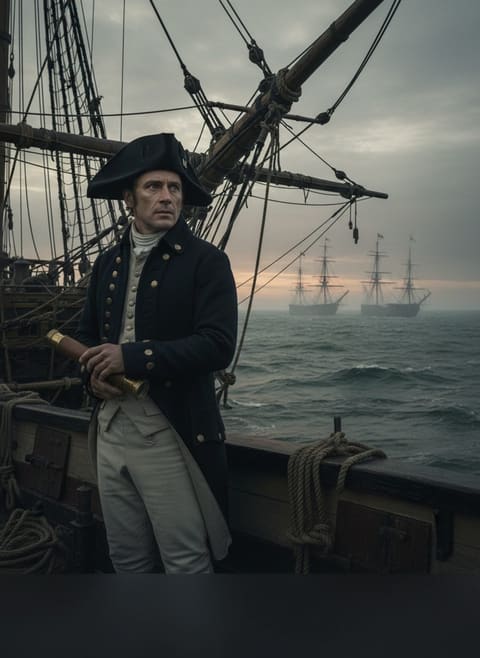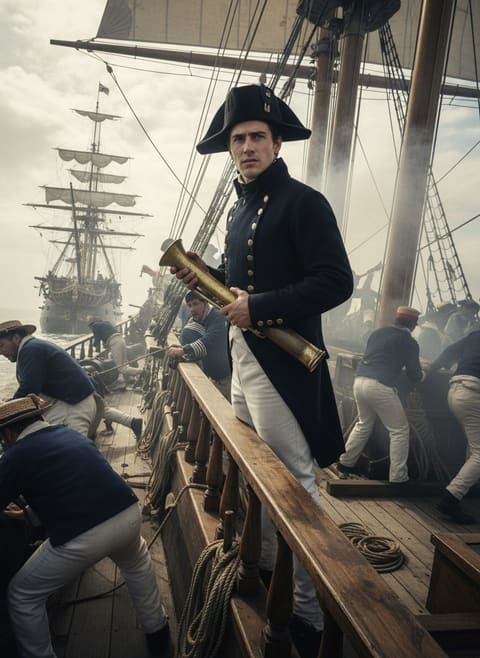
March 25, 1808. A brisk wind swept through the bustling port of Portsmouth, carrying with it the salty resilience of the open ocean.
The Unyielding Winds of Change
The ink was barely dry on the newly enacted law as Britain's resolve transformed into action. The Abolition of the Slave Trade Act, passed by the British Parliament in 1807, was a bold statement against the inhuman commerce that had stained the Atlantic for centuries. Yet, the dawn of enforcement required more than just legislation. It demanded an unparalleled commitment, one that would see the British Empire redirect its formidable Royal Navy towards a cause both novel and noble: to police the world's oceans and liberate those caught under the shackles of the transatlantic slave trade.
Remarkably, this crusade commenced not out of mere legal obligation but from the moral awakening of an empire that had profited greatly from the very trade it now sought to dismantle. With the passing of this act, Britain embarked on a maritime mission unlike anything recorded in history — committing resources and the lives of its sailors to intercept and free enslaved Africans from slave ships, regardless of their flag. No previous empire had ever turned its military strength against an economic venture it had once supported.
The Proving Grounds of the Atlantic
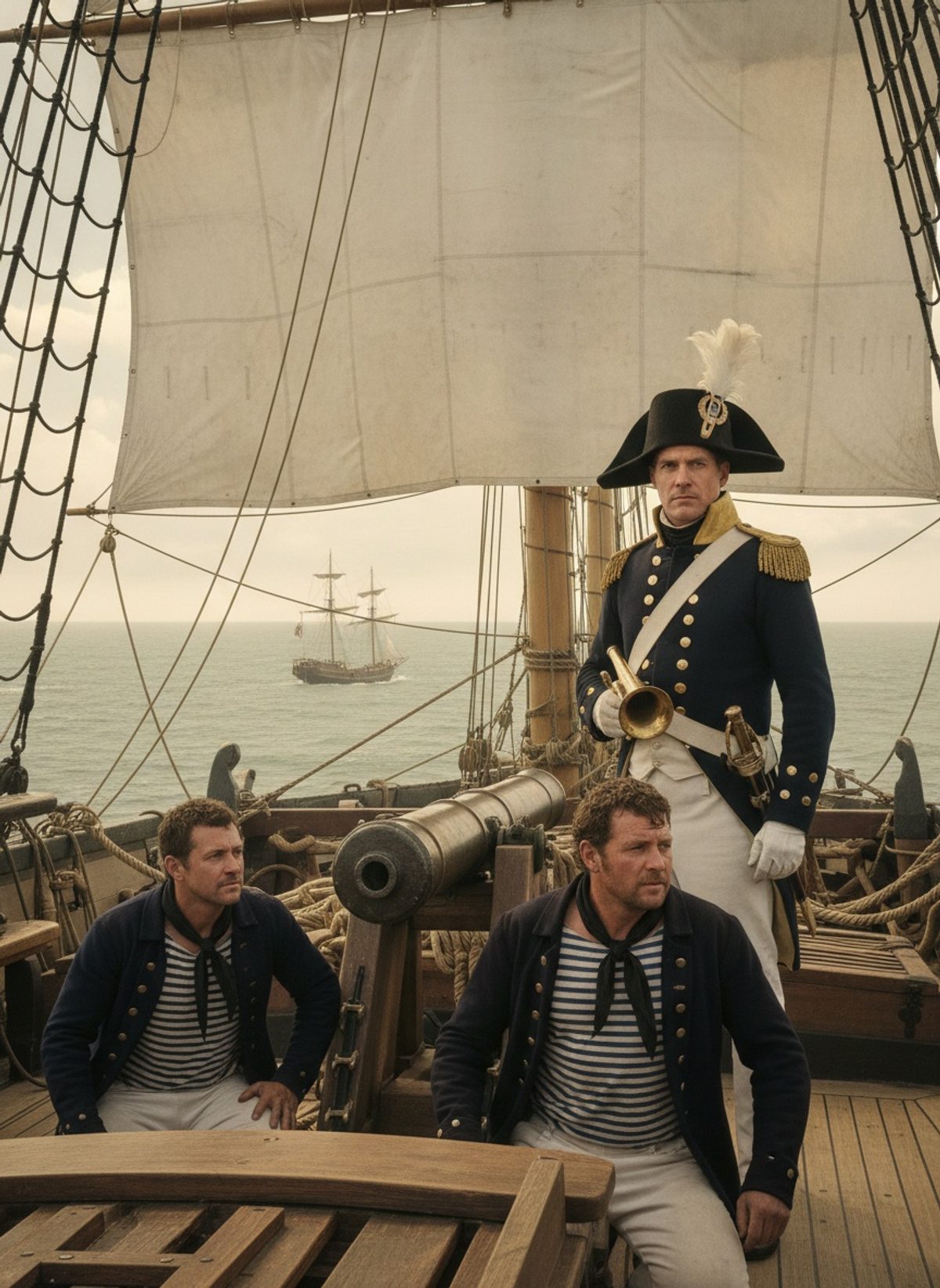
The West Africa Squadron was the spearhead of this daring initiative. Initially met with skepticism and severe logistical challenges, the squadron's fleet was charged with patrolling the vast Atlantic waters. Britain dispatched its warships to cut across the well-traveled routes that slavers used, tracing them from the African continent to the Americas and across the Caribbean. For sixty years, the squadron hunted slavers in these perilous waters, where nature and humanity's worst instincts threatened their resolve with equal measure.
Read next: When Nelson's Signal Flew and 27 Ships Went Into Battle
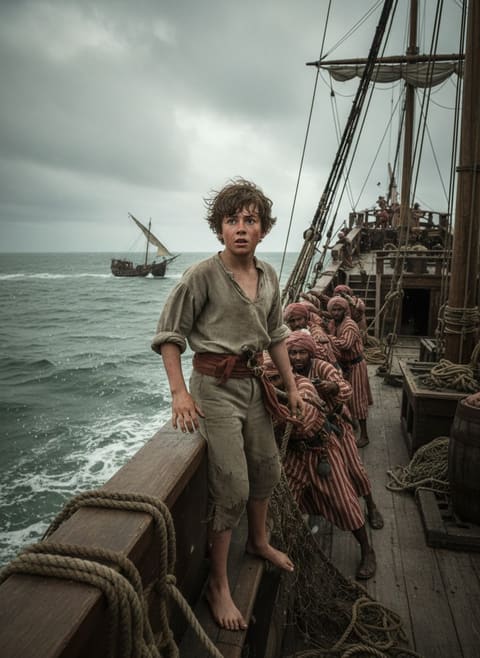
The life of a seaman on these missions was arduous, marked by long months at sea and constant vigilance. Ships like HMS Black Joke became legendary; their exploits, tales of courage in often dangerous confrontations, as they sought to capture slave ships weighed down with human cargo. More than 160,000 Africans were liberated from bondage on the high seas during this vigorous campaign. Each ship intercepted was a testament to the harsh reality of the trade — and the growing determination of a squadron dedicated to its eradication.
The Silent Battlefront
Yet, the role of the West Africa Squadron was fraught with danger and complexity. Disease ravaged the crews, with malaria and yellow fever claiming the lives of many who ventured into the deadly embrace of the tropics. The crude vessels of the squadron were often outmatched in speed and firepower by the sleek slavers, designed for speed and stealth. But it was not just the elements and enemy navies the sailors contended with; they fought against the economic and political pressures from nations unwilling to relinquish the profits of the slave trade.
The navies of Portugal, Spain, and later, the United States, operated under a delicate dance of diplomacy and defiance. Treaties and accords were often thin veils masking the persistent demand for enslaved labor. The British slowly built agreements to inspect, seize, and return captured vessels, an intricate process bolstered by the broader political will of the Empire. Each naval encounter was not only a skirmish on the water but an episode in the incremental determent of an entrenched international trade practice.
The Undermined Humanity
Across the open expanse where the squadron's ships prowled, the stories of those liberated carried poignant tales of survival against impossible odds. Many of the freed Africans found themselves re-settled in Freetown, Sierra Leone, a burgeoning colony whose streets bore the imprints of a complex cultural convergence. Others were integrated throughout the British West Indies or returned to their homes if feasible, their futures varied but unburdened by the chains that once confined them. The efforts of the Royal Navy played a crucial role in limiting the flow of enslaved individuals — a stark contrast to earlier years of their unabated transportation.
Read next: When HMS Ardent Took Wave After Wave of Jets in Falkland Sound, 1982
Reflecting on the squadron's unwavering voyages, the numbers alone were staggering. Over the course of its operations, the West Africa Squadron captured approximately 1,600 ships involved in the slave trade. This data captures the unbending tenacity of an empire determined to reshape its role in world affairs, moving from the perpetration of human suffering to a leader in humanitarian intervention.
Echoes Across Time
The commitment of Britain to the abolishment of the slave trade, enforced at barrel’s end and ship’s prow, created ripples felt far beyond its own borders. While the abolition movement did not instantaneously erase slavery or its enduring impact, it marked a critical shift in the moral compass of one of the world's mightiest powers. The Royal Navy's imposing presence on the Atlantic sent a powerful message of change, one etched into history not merely as an act of duty but of conscience.
The actions of the West Africa Squadron remind us that change, especially on a global scale, requires the courage to confront wrongdoing, often at a personal cost. The efforts of those who patrolled the seas stand as a poignant chapter in the narrative of liberation, urging modernity to persist in acts that champion justice and dignity for all. In a world still contending with the ghosts of slavery’s legacy, the story of Britain's maritime campaign against the slave trade demands reflection and continues to inspire advocacy for human rights across the globe.