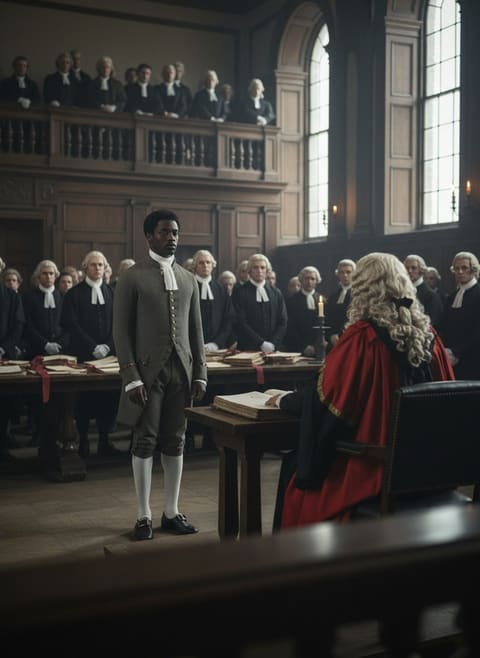
The nation that once dominated the seas had a conscience that extended beyond the waves. In 2015, British taxpayers were still paying off a bill born from a choice made over two centuries earlier—a choice to forsake a practice as ancient as humanity in favor of morality.
The Mighty Act of 1807
On March 25, 1807, the British government passed the Abolition of the Slave Trade Act, marking a significant moral and legislative turning point. This decision might seem inevitable now, in the shadow of modern sensibilities, yet, the British Parliament's decree was a bold and controversial move at the dawn of the 19th century. The British economy, woven into the fabric of imperialistic tendencies, was fortified by the labor of enslaved individuals who toiled on distant plantations. The abolition of the slave trade aimed a knife at the heart of an entrenched economic system.
The efforts to pass the act were spearheaded by individuals who convene moral stamina with political savvy. Though the act halted the British transatlantic slave trade, it represented only the beginning—the cracking of the chains, not their removal. More than a legislative declaration, Britain’s choice demonstrated a profound disavowal of a trade where human lives were negotiated in the currency of cotton and sugar. Yet, freeing the enslaved required funding freedom’s unseemly quiet cost.
A Costly Conscience: Compensating the Slaveholders
The story did not end with legal maneuvers in the Westminster corridors. For Britain, abolishing the slave trade also meant reckoning with financial implications. The British government decided to compensate slaveholders, not the former slaves, for the loss of what was astonishingly still considered "property." A staggering £20 million was allocated—a sum tantamount to 40% of the country’s national budget at the time.
Read next: When English Law Became the Heartbeat of a New Nation
This compensation did not enrich former slaves, individuals whose unpaid labor had built fortunes across the empire. Instead, the money flowed into the pockets of plantation owners, both great and small. For them, the abolition was a nuisance or financial catastrophe mitigated by the taxpayer's burden. The expense was staggering, a compromise reached amidst moral and economic contradictions. Yet, this moment set a precedent: an emancipatory endeavor predicated on financial negotiation rather than egalitarian principles.
Britain's Long-Term Financial Burden
As modern British taxpayers settled the remaining debt in 2015, it is pertinent to reflect on the long arc of financial reconciliation tied to the abolition. Two hundred years passed between the decision and the final payment, an extraordinary period when the financial echoes of Britain's first abolition act resounded.
The debt incurred was not merely figures on a ledger but a reflection of the intersection between moral ambition and economic necessity. British society endured cycles of political upheaval and vast social changes while jostling beneath a financial framework constructed from this decision. Societal changes morphed with time, yet the echo of one Act's consequences traced through generations until Britain’s account was closed.
The Unwritten Histories of Ordinary Lives
This long fiscal shadow often dimmed the personal stories caught in its shade. The tale of abolition frequently overlooks the individuals who lived this history. Freed from chattel status, countless individuals attempted to navigate a new world with remarkable resilience. Their stories are the quiet murmurs beneath the trumpet of Parliamentary decisions, tales of dignity reclaimed at great personal and communal cost.
Read next: When English Law Crossed the Ocean to Become Australian Law
Many emancipated slaves and their descendants embarked on paths of extraordinary contribution to society's cultural and political landscapes. Yet, their narratives often become buried beneath larger dialogues of economic burdens or political victories. This, then, is the other debt—telling and honoring the stories of those who endured and triumphed, often with little recompense beyond self-ownership.
Counting the Cost of a Nation’s Choice
The abolition of slavery in Britain serves as a reminder of both the heights of moral conviction nations can reach and the economic contortions those ideals can require. Deciding to end the slave trade painted the portrait of a nation grappling with its past, willing to invest heavily in its conviction.
This epoch reminds us that the societal ledger extends beyond monetary sums. It incorporates intangible debts of justice and recognition, owed to the forgotten, the freed, and the families of those transacted lives. The legacy of abolition embodies more than an eradication of a practice—it speaks to the ongoing cost of redemption, a costly endeavor of conscience paid by those willing and unwilling, enduring beyond the paper money and the march of years.