Adrian Marks is not a household name. Yet, he was responsible for one of the most daring rescues in naval history.
The Silence of the Pacific
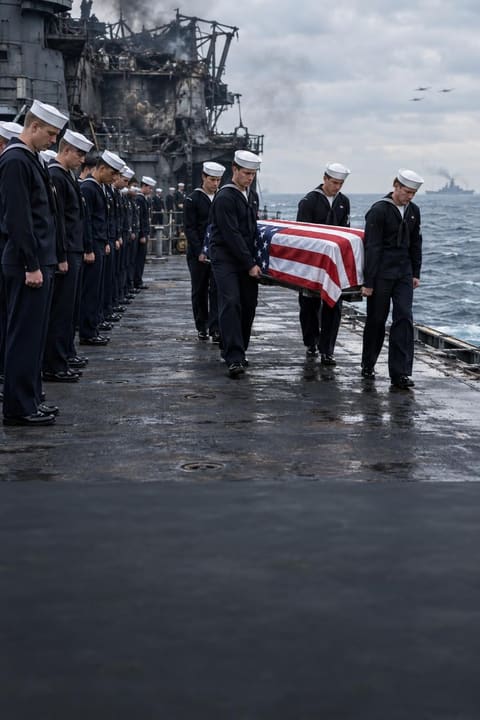
On July 30, 1945, as the darkness enveloped the Pacific Ocean, a catastrophe unfolded beneath the waves. The USS Indianapolis, a formidable Portland-class heavy cruiser, was struck by two torpedoes from the Japanese submarine I-58. The ship, having just delivered components of the atomic bomb to Tinian Island, faced its unintended demise. Within a startling twelve minutes, the Navy's proud vessel capsized and vanished beneath the ocean's surface.
Out of the nearly 1,200 sailors and Marines aboard, around 900 survived the initial sinking. They were set adrift in a vast, unforgiving sea, unbeknownst to their fellow comrades or command, left to fight the elements and lurking predatory threats below. The subsequent days turned into a living nightmare.
Sun exposure led to dehydration and delirium, while saltwater immersion resulted in hallucinations and dire physical conditions. As if these challenges weren't harrowing enough, the survivors contended with nocturnal hypothermia and relentless attacks by oceanic predators—panic and shark attacks became their grim daily reality.
Read next: Jose Abad Santos Refused to Collaborate and Faced the Firing Squad
A Courageous Intervention
Respite came four days later on August 2, when a search plane surveying the area reported an unusual sight—heads bobbing like corks amid the vast waters. But it was Lieutenant Adrian Marks who would take decisive action.
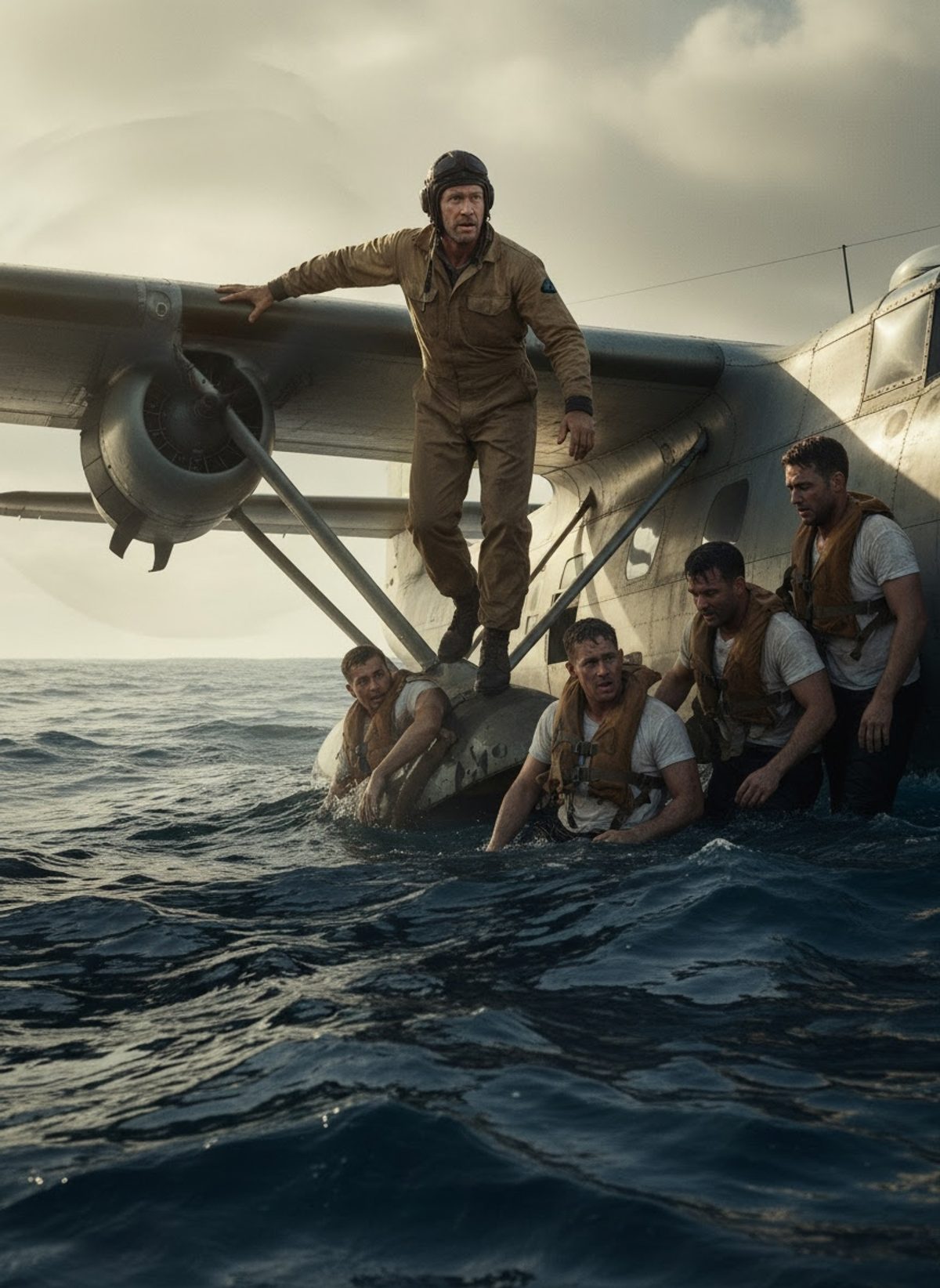
Marks, commanding a PBY Catalina patrol plane, received orders to investigate further. As his amphibious plane soared above the site, he observed the desperate men below. Realizing the dropping rafts were inadequate due to distance and destruction, he knew rules had to be broken.
Defying strict regulations against ocean landings in high seas, Marks consulted his crew, weighing the moral duty against personal risk. Together, they chose action over complacency. In swells reaching twelve feet high, Marks performed a hazardous maneuver, bringing the aircraft down on the open ocean. His decision fractured standard protocols but forged a path toward salvation.
The Catalina's capacity was grossly insufficient for all survivors. Marks and his crew tirelessly amassed men onboard, strapping them to the wings with parachute cords, extending the reach of their small rescue haven. Some recalled how they used parachute lines ingeniously, creating a lifeline in its truest sense. By the close of this audacious operation, 56 men owed their lives to Marks's bold deviation from protocol.
Read next: Witold Pilecki Volunteered to Enter Auschwitz and Smuggled Its Secrets Out
The Waters Calm as Help Arrives
The sky transitioned from afternoon to the dim embrace of evening. With the night's inevitable arrival came the rescuing grace of naval forces led by the destroyer escort USS Cecil J. Doyle. Its crew made a poignant decision to shine their searchlight toward the sky, a luminous beacon providing hope and direction to both the stranded and those on their way. This light was more than a physical brightness; it was a symbol of impending rescue.
The Cecil J. Doyle and additional vessels soon encircled, plucking survivors from death's clutches. Marks’s damaged Catalina, once an interim haven for the 56, was ultimately deemed unrecoverable and sunk by the Navy to prevent it from becoming a navigational hazard. Despite its fate, the seaplane's role in saving lives sealed its legacy alongside Adrian Marks's unorthodox heroics.
Aviation's Unsung Hero
Adrian Marks returned home after the war and resumed a quiet civilian life in Frankfort, Indiana, far distanced from the chaos of wartime seas. He took to practicing real-estate law, the unsung heroism of his wartime service largely tucked away from public eye and discourse. Marks passed away in 1998, survived by a robust family lineage, unforgettably etched in maritime lore.
This story stands as a revelation of the hidden layers of World War II history. Adrian Marks—a man bound by duty, compassion, and a resolve not to be idle—provides a mirror to the thematic principle of humanity’s capacity for greatness against adversity. It’s a startling reminder that beneath the surface of grand military strategies and tactical operations lie moments of profound personal courage, often uncelebrated yet essential in shaping the tapestry of wartime history.