January 2, 2007. The hum of the New York City subway filled the air, an ever-present testament to the city's ceaseless energy. Among the crowd standing in the 137th Street–City College station in Manhattan, Wesley Autrey waited with his two young daughters, unaware that the stage was set for a remarkable moment of courage.
A Split-Second Decision
It was a typical chilly winter afternoon. The time was around 12:45 p.m. when Cameron Hollopeter, a young film student, suddenly collapsed into a seizure. The seizure sent a ripple of alarm through the crowd. Two women nearby caught Wesley Autrey's attention, alerting him to the unfolding emergency.
In that moment, Autrey's deep-rooted instincts came into play. He borrowed a pen from a fellow commuter to keep Hollopeter's airway open, a crucial first response that reveals the practical knowledge Autrey had acquired from his Navy days.
As Hollopeter regained consciousness, his ordeal was far from over. In his disoriented state, he stumbled forward off the platform onto the tracks. The distant lights of an oncoming train grew ominously closer, casting a glow over the tracks and the faces of anxious onlookers. Autrey reacted not with hesitation but with decisive action.
Read next: Witold Pilecki Volunteered to Enter Auschwitz and Smuggled Its Secrets Out
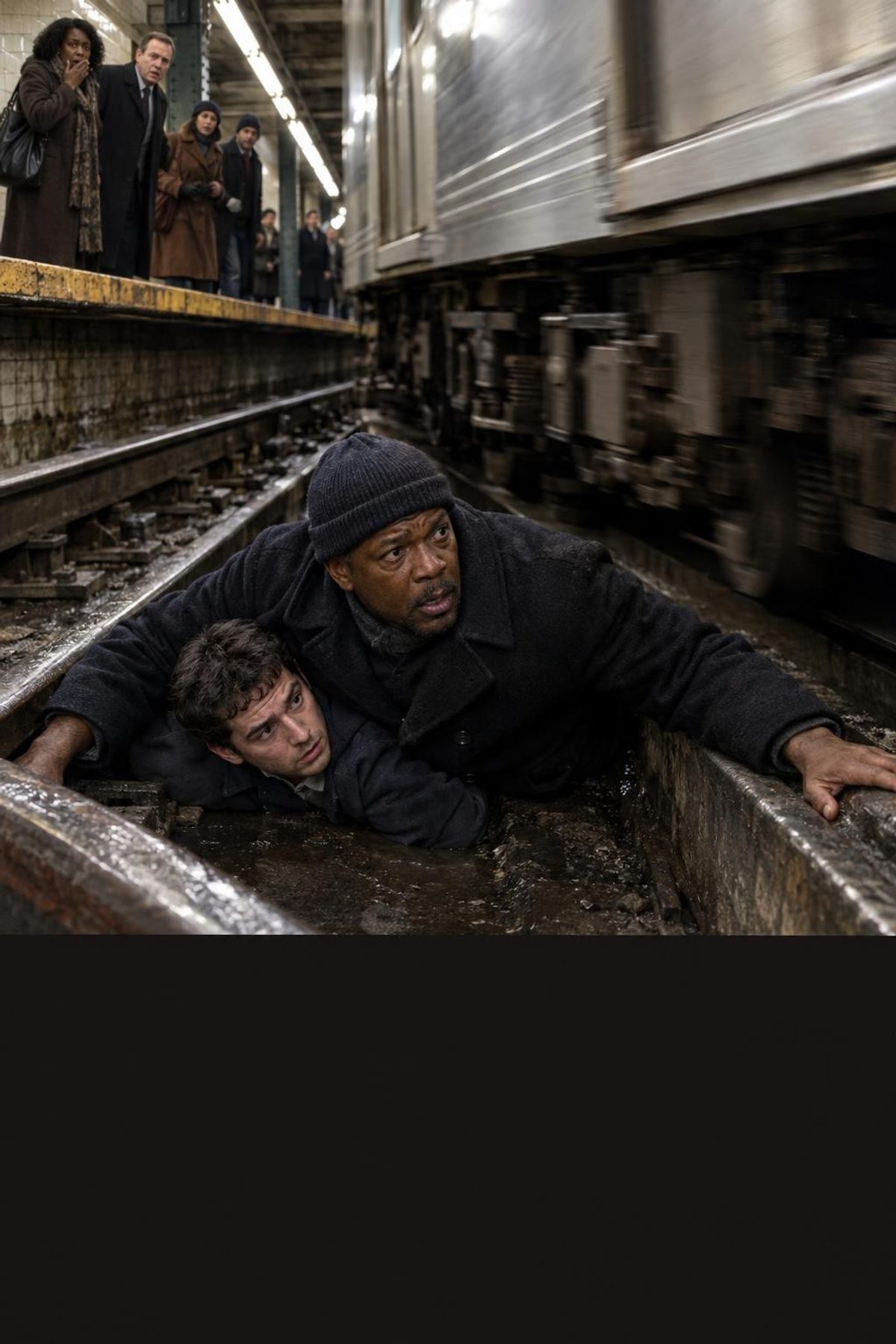
Handing his daughters to a stranger nearby, he leaped onto the tracks. His initial plan was to remove Hollopeter from danger, but the proximity of the train allowed for no such rescue. Instead, Autrey made a bold choice—he pinned Hollopeter into the shallow drainage trench between the rails, holding him down as the train thundered overhead.
Miracles and Courage Beneath the Rails
The moments that followed were both harrowing and remarkable. Five subway cars screamed past before grinding to a halt, leaving only a fraction of clearance between metal and flesh. The screeching sound was all-consuming, and for a heartbeat, the platform stood frozen in a collective tension, eyes fixed on the spot where two lives had literally hung in the balance.
When the train finally stopped, cheers broke the silence—they were alive! The ceiling of the trench had been just high enough to shield them, though it was so close that grease marks stained Autrey’s cap. Within minutes, emergency services arrived, ready to whisk the pair to safety. But, Autrey didn’t linger for accolades or attention. He simply ensured that Hollopeter was in capable hands before emerging heroically from the tracks, returning to his daughters with an unassuming grace.
The Ripple Effect of Heroism
As the news of Autrey's selfless act spread, public admiration rose to overwhelming levels. Media outlets seized upon the story, branding Autrey with monikers like the "Subway Samaritan" and "Hero of Harlem." Yet, in interviews, he dismissed his heroics with the kind of humility that made his deed all the more poignant. "I don't feel like I did something spectacular," he told The New York Times. "I just saw someone who needed help. I did what I felt was right."
The accolades came swiftly. Autrey received gifts and cash awards from various benefactors eager to honor his bravery. The New York Film Academy, where Hollopeter was a student, contributed $10,000 in cash and scholarships for Autrey’s daughters. Donald Trump personally gifted $10,000, joined by a cascade of additional rewards—from a lifetime subscription to Playboy to season tickets for the New Jersey Nets.
Casting Light in a World of Shadows
The impact of January 2, 2007, reached far beyond the confines of the subway that day. Wesley Autrey's deed was not just a rescue; it shone a light on the potential for everyday human bravery. His split-second decision to protect a stranger illustrated a rare courage that the world seems starved for. Despite the modern landscape being littered with tales of malaise and menace, Autrey's intervention became a narrative of hope and humanity pursued with unwavering commitment.
Read next: Eugene Lazowski Faked a Typhus Epidemic and Saved 8,000 Lives
This story of ordinary valor encouraged others to rethink the lens through which they viewed acts of kindness. It became a testimony to the nobility of quick-witted decisions made in the service of another’s life, reflecting an innate goodness that defies the self-centered narratives we too often accept as truth.
Why This Matters
In the end, the encounter between Wesley Autrey and Cameron Hollopeter still resonates deeply. It's a reminder of how everyday decisions can ripple outward, impacting countless lives. Autrey's heroism drew widespread recognition, including a place on Time Magazine's list of the "Time 100" Most Influential People in the World for 2007. While accolades and material rewards followed, what stands most compellingly is Autrey's quiet, unpretentious courage—a potent antidote to cynicism in an uncertain world.
In recalling this act of bravery, questions linger. How often are we prepared to leap into action for a stranger? Are we seeing the people around us with enough clarity to recognize when we're needed?
Wesley Autrey demonstrated that heroism doesn't demand perfection. It requires only a heart prepared to act in the rare and brief moments when another's life hangs in the balance, leaving us inspired to think differently about the part we play in the lived experiences of others.