The dense canopy of the Aberdare Range loomed ominously overhead, filtering the dawn light into gentle streams of gold that danced upon the forest floor. The chorus of awakening wildlife echoed throughout, blending with the whisper of leaves stirred by a hesitant breeze. Here, in these lush green labyrinths, the Mau Mau fighters of Kenya sheltered from the encroaching forces of the British Empire. Over fifty thousand insurgents called this untamed wilderness home, waging a war not just for land but for identity and freedom. Yet, as 1950s Kenya sat on the precipice of revolution, a cunning Briton devised an unprecedented strategy that would turn this war on its head.
Insurgents Turned Allies
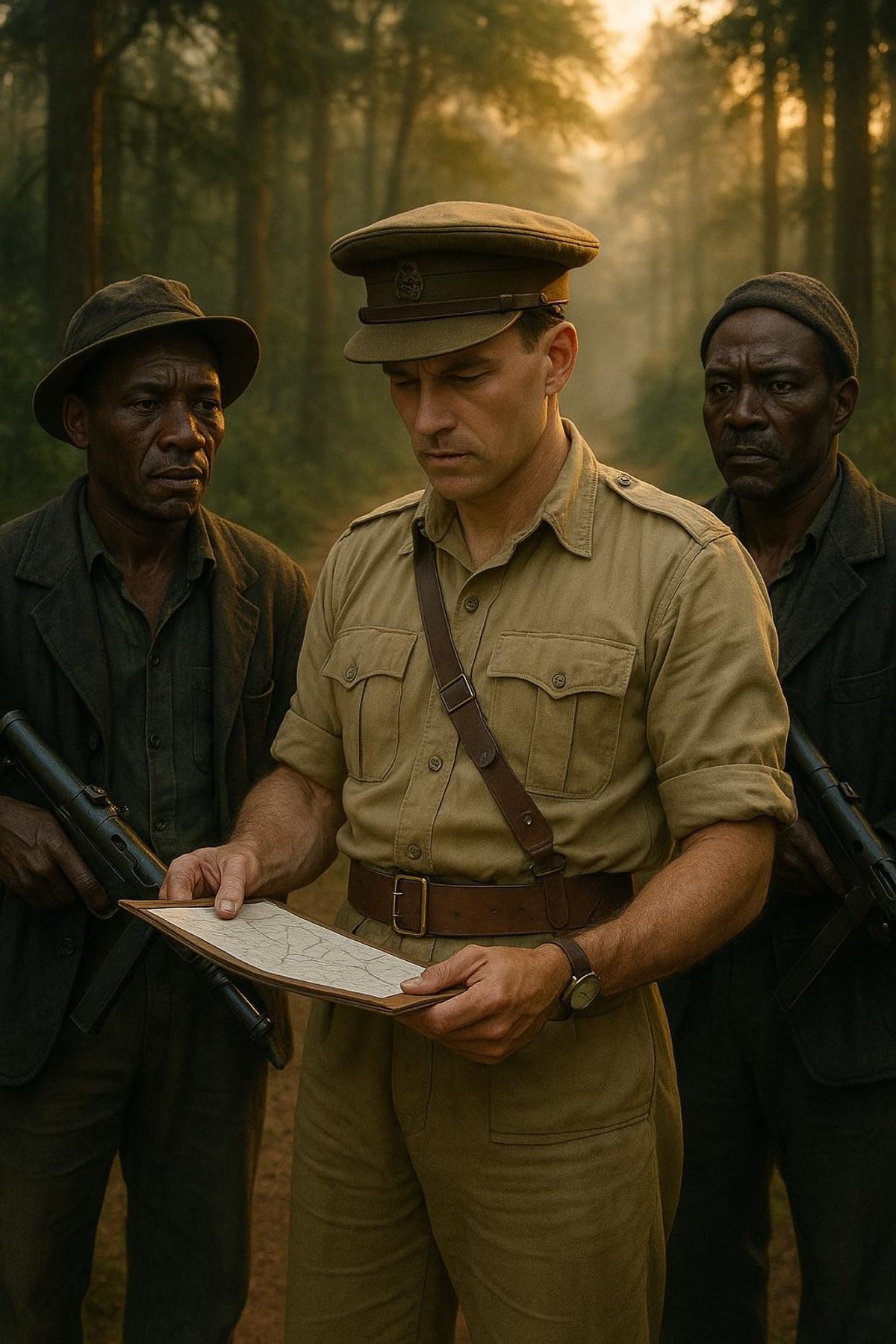
As the fog of the early morning battles dissipated, the British forces found themselves at a severe disadvantage. The Mau Mau were not a typical foe; they were spirits in the mist, mastering guerrilla warfare techniques to vanish into the ethereal shadows of the forest. Traditional military strategies faltered against such elusive opponents. It was within this dire context that Frank Kitson, a young intelligence officer, introduced a groundbreaking approach. The idea was as bold as it was dangerous: use surrendered or captured Mau Mau fighters against their own brethren.
Kitson's "pseudo gangs" became the embodiment of psychological warfare. These bands of dual-purpose operatives—comprised of former Mau Mau fighters and British soldiers—were camouflaged in the guise of the very enemy they sought to dismantle. They mimicked the Mau Mau's appearances, taking on their dialects and adopting their mannerisms. The intimacy of such deception was key; these pseudo gangs were able to march to the heart of the guerrilla strongholds, gathering intelligence, spreading disinformation, and sabotaging operations from within.
The strategy wasn't without risks. Trust was an ephemeral commodity, easily broken and often questioned. Among the pseudo gang members, a delicate balance hung between camaraderie and betrayal. British oversight ensured that the once fervent Mau Mau adherents were incentivized to remain loyal to their new cause, often through promises of freedom, protection for their families, or financial rewards. Despite the seeming volatility of the arrangement, the pseudo gangs quickly demonstrated their effectiveness, shifting the power dynamic of the conflict.
Read next: When Britain Handed Cyprus a Flag and Said Goodbye, 1960
The Forest That Broke the Silence
Deployed strategically through elaborate planning, the pseudo gangs were as much an enigma to their enemies as they were to each other. Operating under the dense, suffocating cover of the forest, they monitored unassuming conversations, shadowed meetings, and, when needed, engaged in clandestine counter-insurgency operations. The trust they cultivated with real Mau Mau adherents allowed them to gather invaluable intelligence, thus curbing the group's systemic strikes against the British.
The effectiveness of Kitson's vision could be measured not just in diminished Mau Mau operations but also in morale. Whispers of betrayal and paranoia seeped through the ranks of the insurgents faster than any regimented advance could match. The presence of pseudo gangs turned the once-sacred trust between fellow fighters into suspicion, fragmenting bonds forged in the blood and warfare of a shared struggle. Mau Mau shelters, once impenetrable sanctuaries, became theaters of espionage and fear.
This strategy's insidious success was the betrayal itself. The psychological warfare inflicted wounds deeper than any physical conflict, eroding the very ethos that had initially drawn the Mau Mau fighters into the forests. Disintegration of trust led to reduced coordination among insurgent communities, thus curbing the efficacy and impact of rebel strikes. By sowing discord from within, the British turned the dense Aberdare forests from guerrilla havens into landscapes of strategic defeat.
Read next: When Britain Handed Malaya a Flag and Walked Away, 1957
The Forgotten Shadows of Victory
The pseudo gangs of Frank Kitson marked one of the most potent examples of intelligence-driven warfare in colonial history. By harnessing the power of defection and disguise, the British Empire set a precedent for future counter-insurgency operations, influencing methodologies that would echo through later decades of conflict. The pseudo gang tactic highlighted the shifting paradigms of warfare in the 20th century, where information and deception wielded more leverage than brute force alone.
Yet, this cunning victory is shrouded in the complexities of moral and ethical reflection. The transformation of insurgents into agents of the state was not borne from choice but from circumstance—a situation that reflects the broader themes of coercion and survival amidst colonial oppression. Moreover, the psychological impact of such betrayal left deep scars on the cultural and individual psyches, making reconciliation a goal yet to be fully realized in post-colonial Kenya.
In modern discourse, understanding the cryptic legacy of Kitson's pseudo gangs unveils more than mere tactical ingenuity. It showcases the blurred lines between righteousness and coercion, peace and manipulation, shedding light on the lengths empires go to preserve control. This tale of transformation and treachery embodies the often untold histories that linger beneath the surface of textbook narratives, inviting us to question the narratives of power and the human cost of strategies that unfold in the shadows of empire.