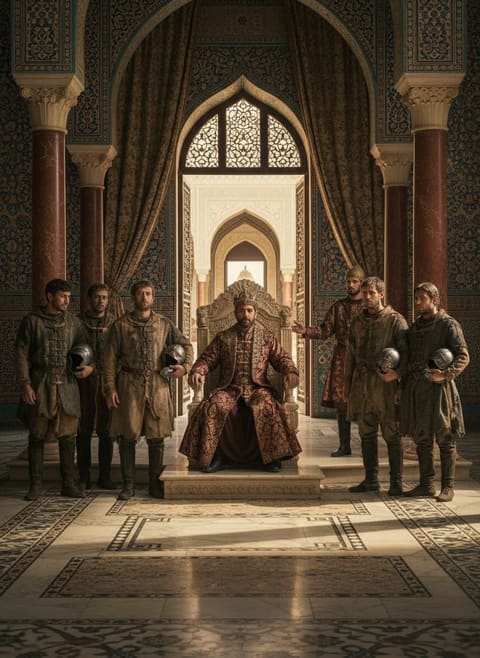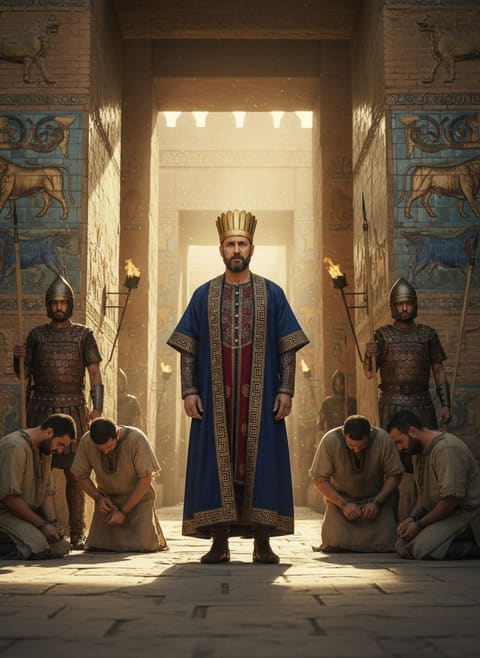
The high walls of the Sogdian Rock shimmered under the relentless sun, casting jagged shadows across the barren landscape. The whispers of dry winds played through the narrow ravines, carrying the distant clang of armor and the shouts of Macedonian soldiers.
It was here, in 327 BC, where a sweeping event unfurled amidst the dust and stone—an encounter that would alter the course of history. Alexander the Great, the youthful conqueror from Macedonia, had just captured this formidable fortress in Bactria, and within its bounds lay a prize neither counted in jewels nor lands, but in destiny—a Bactrian noblewoman named Roxana.
The Enigmatic Roxana
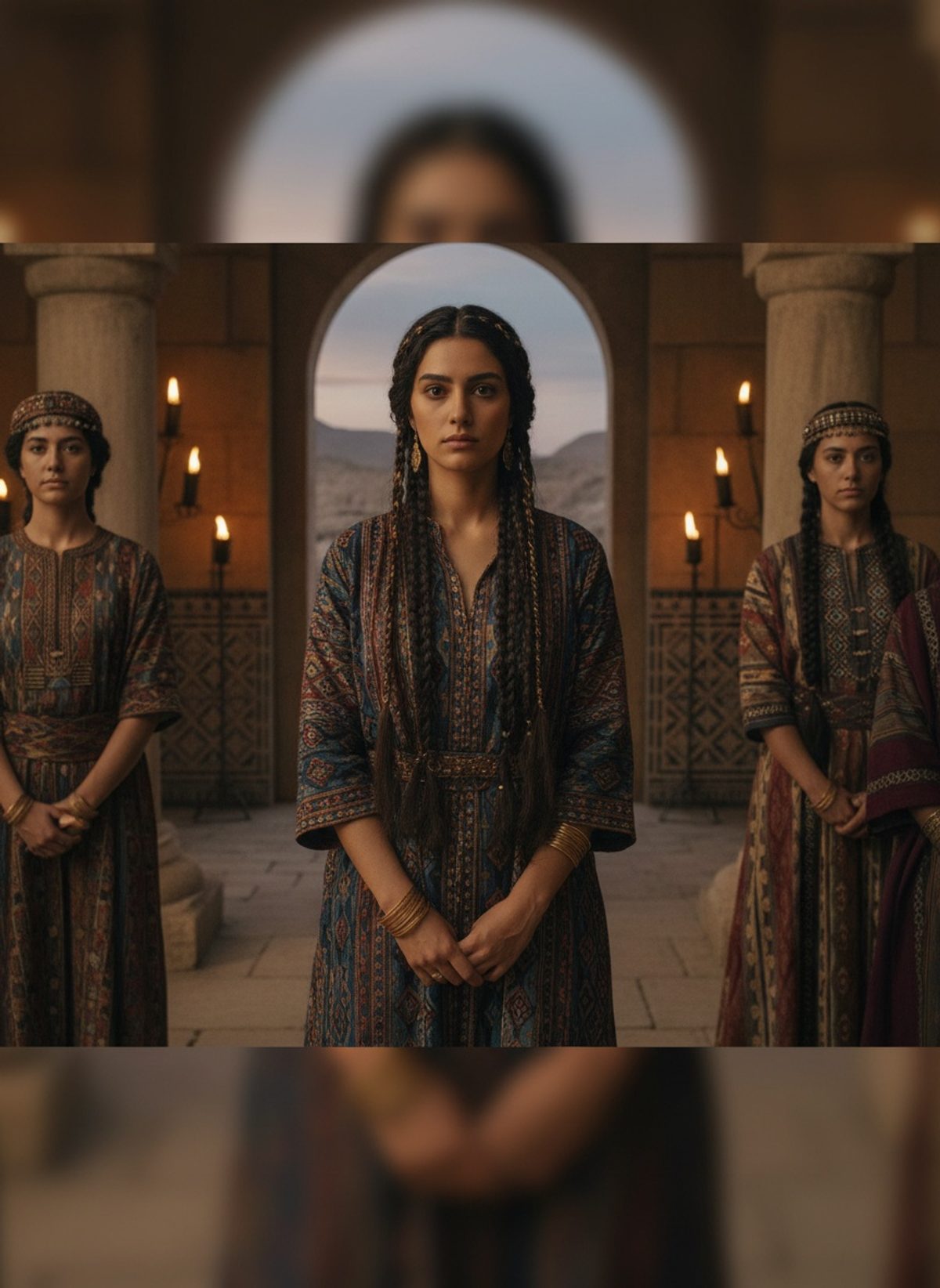
Born to a Bactrian nobleman named Oxyartes, Roxana's early life is a mystery shrouded in the distant mists of the ancient world. Though precise details remain elusive, Roxana was emerging into adulthood around 327 BC, a time when powerful chieftains and their kin navigated the precarious politics of the Achaemenid Empire.
Her father, involved with the satrapy of Bactria and Sogdia, found himself on the losing side of history with the defeat of Bessus, a regent of the fallen Persian king, Darius III.
Read next: Shapur I Captured a Roman Emperor. Then Showed Mercy.
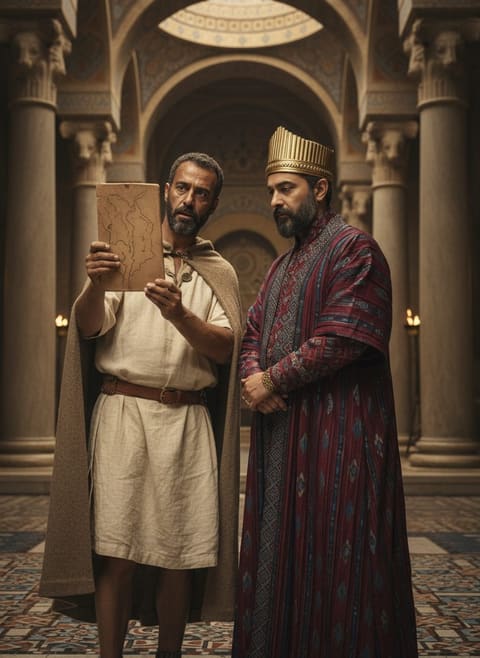
As Macedonian forces pushed into the heart of Bactria, the family of Oxyartes, including Roxana, took refuge within the impenetrable fortress of the Sogdian Rock. Here they faced Alexander's siege—a cunning assault that showcased the relentless military genius of the invader. Yet, it was what happened post-victory that would astonish friend and foe alike.
At a fortress later potentially identified as the Sogdian Rock or the abode of Chorienes, Alexander's gaze fell upon Roxana during a celebratory gathering. Struck by her beauty and perhaps the allure of her enigmatic presence, he resolved to make her his wife.
The Marriage with No Strings Attached
In a union that defied the conventions of political amalgams common in the ancient world, Alexander married Roxana in 327 BC. While alliances forged through marriage were pragmatic strategies for enhancing power and influence, this match seemed driven by personal inclination as much as any grand strategic vision. Despite resistance from his circle of companions who favored a Macedonian bride, Alexander proceeded with determination.
The aftermath saw a shift in local allegiances. The marriage increased the loyalty of Bactrian and Sogdian segments to the Macedonian leader, hinting at possible political undercurrents validating Alexander's choice. Nonetheless, their union wasn't solely political on the surface. Alexander was known for his sincere affection towards Roxana, a sentiment seemingly reciprocated during their life together.
She accompanied him on his campaigns, including the arduous journey into India. Unfortunately, tragedy struck as their firstborn child died in infancy near the banks of the Hydaspes in 326 BC, a moment of shared grief that bonded them further.
Read next: Arria the Elder Pulled Out the Blade. Then She Smiled.
A Crown of Thorns
Alexander's return to the seat of his empire in 324 BC marked a complex chapter—his second marriage to Stateira II, daughter of Darius III, was seen by many as a bid for broader acceptance among the Persian aristocracy. Yet Roxana's status as a queen remained intact. Ironically, Alexander's affection towards her remained a foothold in the sprawling empire he attempted to knit together.
Following Alexander's untimely death in Babylon in 323 BC, Roxana's life took a perilous turn. Allegedly complicit in the murders of Stateira and her sister Drypetis, possibly with Perdiccas's acquiescence, Roxana's actions were driven by a desperation to secure her child's claim amidst the looming chaos. Nevertheless, her son, Alexander IV, presented a precarious hope for the continuation of Alexander's bloodline, thrusting them into the dangerous cauldron of post-Alexandrian politics.
Why Roxana's Story Matters
Roxana's tale, though buried in the annals of the vast Macedonian Empire, is one of courage, ambition, and survival. Her life and marriage significantly impacted the contested throne of Alexander's empire, placing her as a pivotal yet often overlooked figure in the relentless struggle for power that followed his demise. Her legacy is complex—a mixture of personal affection and strategic maneuvers played out against the grandeur of ancient history.
In the end, Roxana's life story compels us to consider the unpredictable nature of power and legacy. It is a story of a woman who, thrust into the swirling eddies of empire-building and political intrigue, not only weathered the storm but exerted her agency where she could. She reminds us that the lives entwined with historical titans, although lesser-known, reverberate through time, shaping the world in ways both profound and unforeseen.