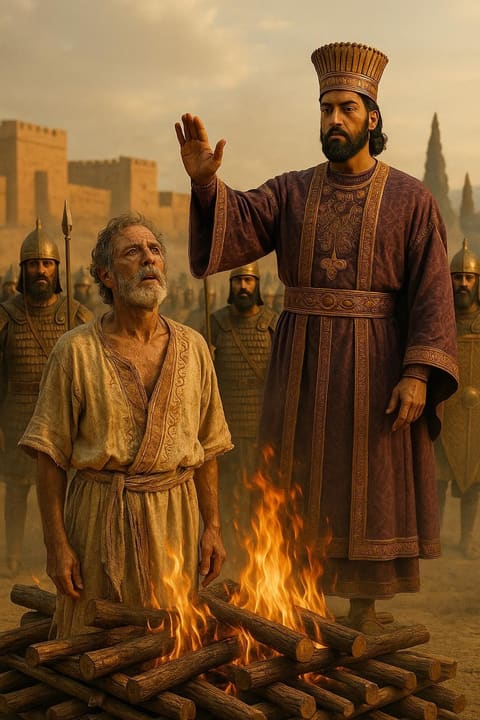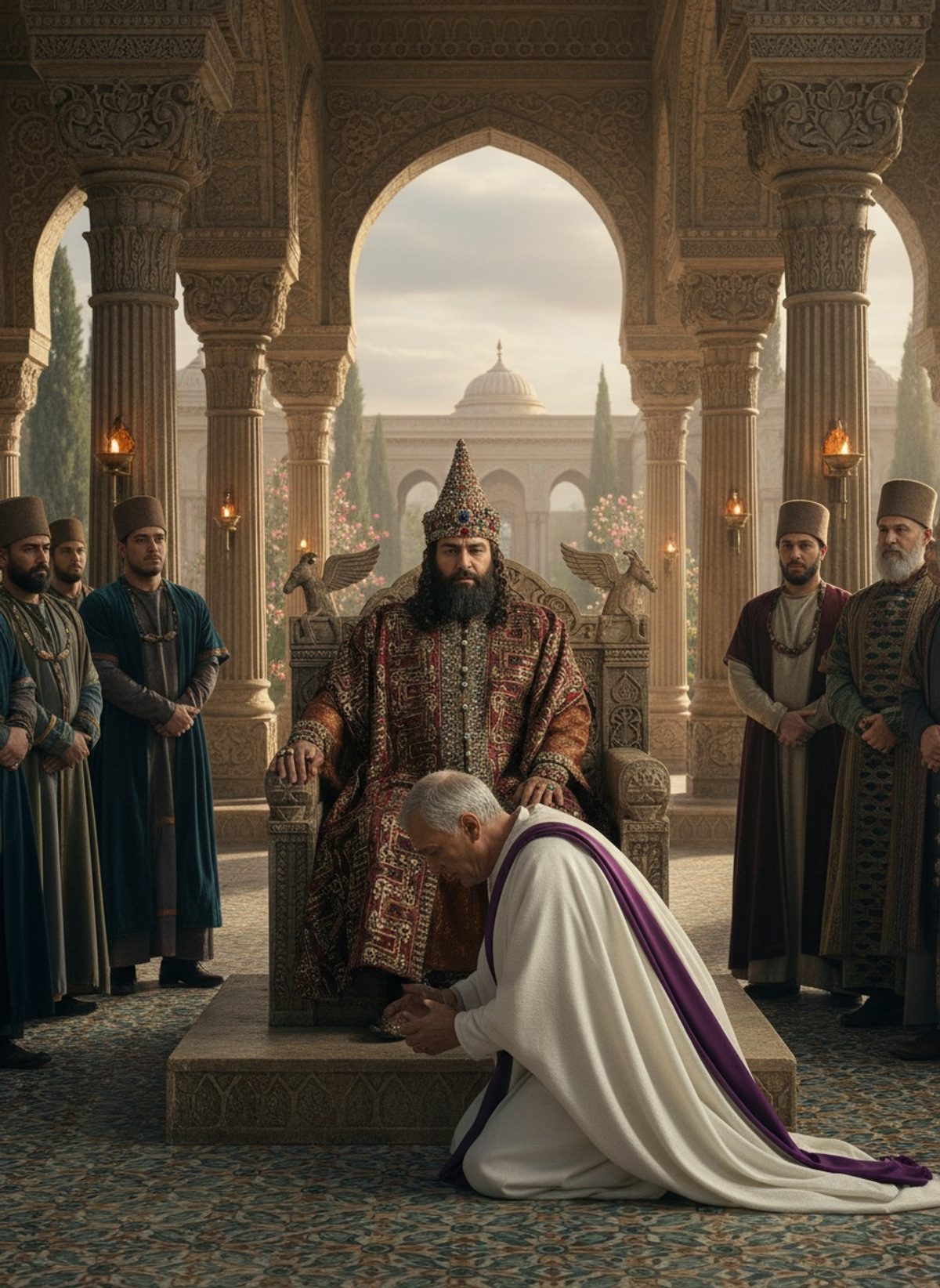
The scorched, sun-baked plains of Edessa shimmered under the relentless glare of the summer sun in August 260 AD. Dust hung in the air, stirred by countless hooves and the restless shuffling of soldiers bracing themselves for battle. A tense silence clung to the scene, broken only by the distant cry of a hawk and the clinking of armor. Here, amidst the arid lands of the eastern Roman Empire's frontier, history was poised on the knife-edge of fate, about to pivot in a manner unimaginable to the Roman world.
The Unthinkable Capture
The Roman Empire, undeterred by the searing heat of Mesopotamia, had marched east under Emperor Valerian, seeking to stabilize its faltering frontiers. Yet, as the legions took their positions, a formidable force awaited them. Shapur I, the Sasanian King of Kings, was no stranger to the art of war. Since taking over the reins of power in 240 AD, he had expanded and fortified his empire—a realm that stretched across modern-day Iran, Pakistan, and into Mesopotamia.
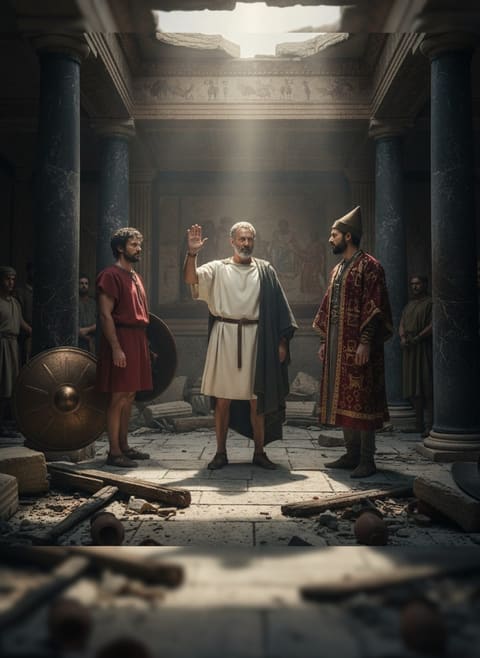
The clash that ensued at Edessa was as brutal and unyielding as the August sun. The Roman legions, seasoned and formidable, were taken aback by the disciplined onslaught orchestrated by Shapur. But it wasn't just force of arms that turned the tide. The foundations of Rome's Eastern invincibility were shaken that day, culminating in a disaster that the annals of Roman pride had never foreseen: the capture of an emperor.
Valerian, known for his campaigns against the Goths and Franks, found himself the first Roman emperor to be seized by an enemy. This was more than a military defeat; it was a psychological blow to the Roman prestige, a stiff reminder that even the Eternal City was not invulnerable.
Read next: Khosrow I Built a Free Hospital That Treated Anyone, Free
The Complex Generosity of Shapur I
As swiftly as the army dispersed, rumors spread—Rome had lost an emperor not to death, but to captivity. The world waited with bated breath. What now? Would Valerian face public humiliation, paraded through the streets of Ctesiphon or massacred as a rude trophy of victory?
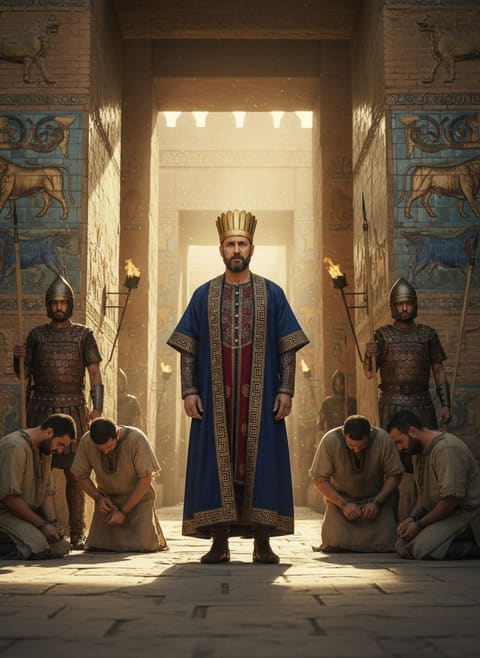
Shapur I, however, was not a barbarian bent on brutal displays of triumph. Contrary to the gleeful expectations for Roman misfortune, the Persian king chose a path noted for both practicality and diplomacy. Valerian was placed under respectful detention, treated with due regards to his imperial status. While Shapur exploited this dramatic turn to consolidate his power and ransack Roman territories unmolested, he restrained from any gratuitous cruelty.
This was more than a gesture of magnanimity; it was a calculated act reflecting both political acumen and a broader worldview. Shapur's empire, a tapestry woven from diverse cultures and traditions, stood to gain more from cooperation and strategic manipulation than from outright enmity.
A Monument to Strategy and Legacy
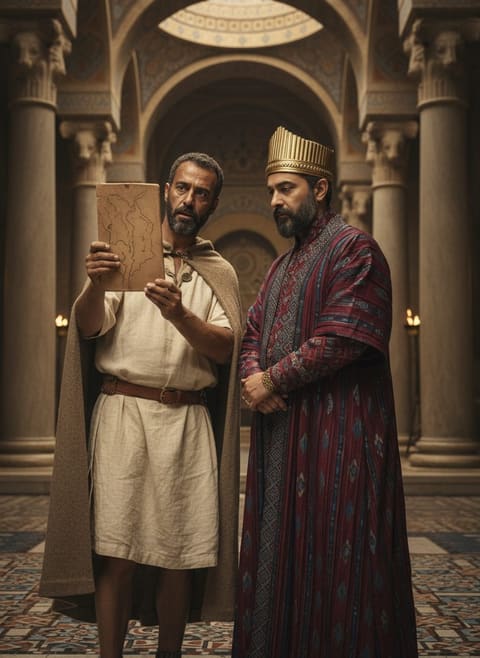
Shapur's strategy extended beyond the field of battle, capturing Rome’s attention in more subtle ways. The emperor's formidable political machine worked tirelessly to weather the storm of Valerian’s abduction, while Shapur exploited his advantage to rebuild and enrich his empire. In the heart of Persia, the city of Gundeshapur rose, peopled with skilled Roman captives and envisioned as a center for scholarly activity—a testament to the Sasanian king’s far-reaching ambitions.
Read next: Nehemiah Crossed the Desert Alone. He Carried One Letter.
This new city arose as a beacon of learning, drawing upon the intellectual riches of its diverse population. Here, Greeks, Romans, and Persians cohabitated, contributing to a rich scholarly tradition. This fusion arguably set the groundwork for what would, centuries later, become a rich part of Islamic Golden Age scholarship.
Inscriptions like those at Naqsh-e Rustam captured Shapur’s achievements. Not merely a conqueror, he was immortalized as a king who had vanquished multiple Roman emperors—Gordian III, Philip, and now Valerian—and his legacy was carved in stone to last across the sands of time.
Why This Story Resonates
The capture of Valerian offers a window into a world often overshadowed by the grandeur of Rome. It reveals an era of shifting powers where both might and diplomacy were wielded deftly by kings who dreamt of empires beyond mere conquest. Shapur’s act of mercy, veiled in strategic foresight, underscores an appreciation for cultural synthesis and mutual benefit. Instead of sowing seeds of vengeance, Shapur I cultivated connections, leaving a legacy nuanced in its interaction with Rome.
As historical tides continued to shift, Shapur's reign exemplified the art of statecraft that transcended mere territorial ambitions. It stands as a pertinent reflection on the impermanence of power and the nuanced diplomacy required in the governance of diverse empires. In the capture and dignified treatment of a Roman emperor, Shapur I's actions reverberated across time—a reminder of the complex realities that lie beneath the surface of historical conflict.