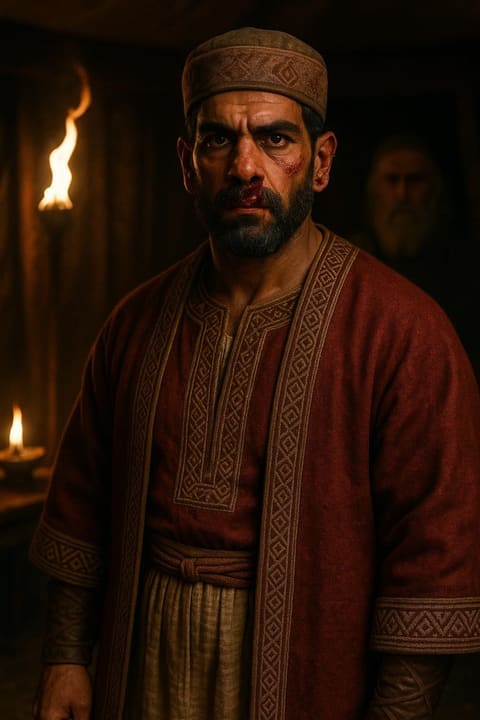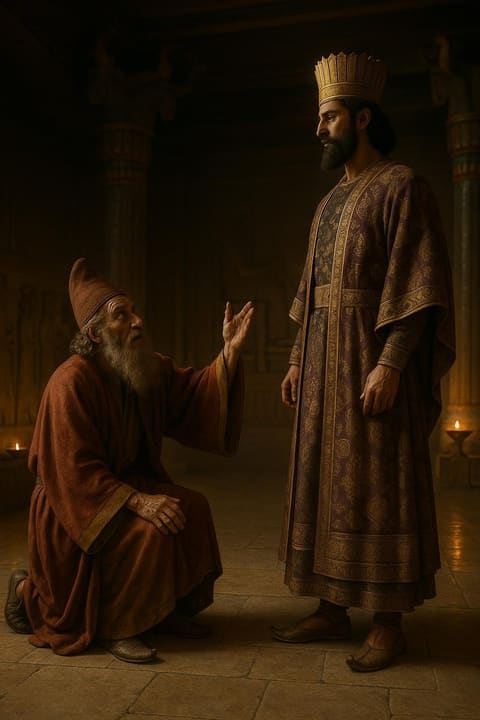
Khosrow I's name might not be as universally recognized as Caesar or Alexander, but his impact was every bit as significant. Under his reign, Persia achieved remarkable advancements, yet history has often left his story in the shadows.
In the sixth century, amidst the grandeur of the Sasanian Persian Empire, Khosrow I, also known as Anushirvan, embarked on a mission that would change the fabric of Persian society. His reign began in 531 AD, a time marked by intense rivalries and geopolitical tussles, particularly with the Byzantine Empire. By 532 AD, Khosrow had already negotiated the Perpetual Peace with the Byzantine Emperor Justinian I, receiving 11,000 pounds of gold as part of the agreement. This pact, though temporary, provided him the opportunity to focus on internal reforms that solidified his legacy, perhaps none more groundbreaking than his support for the sciences and medicine.
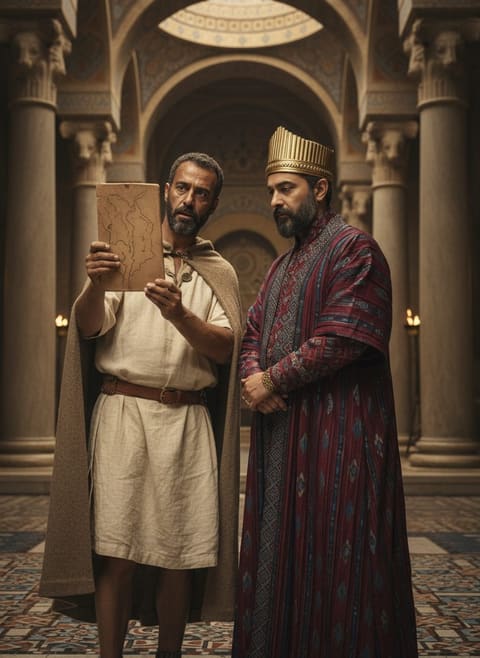
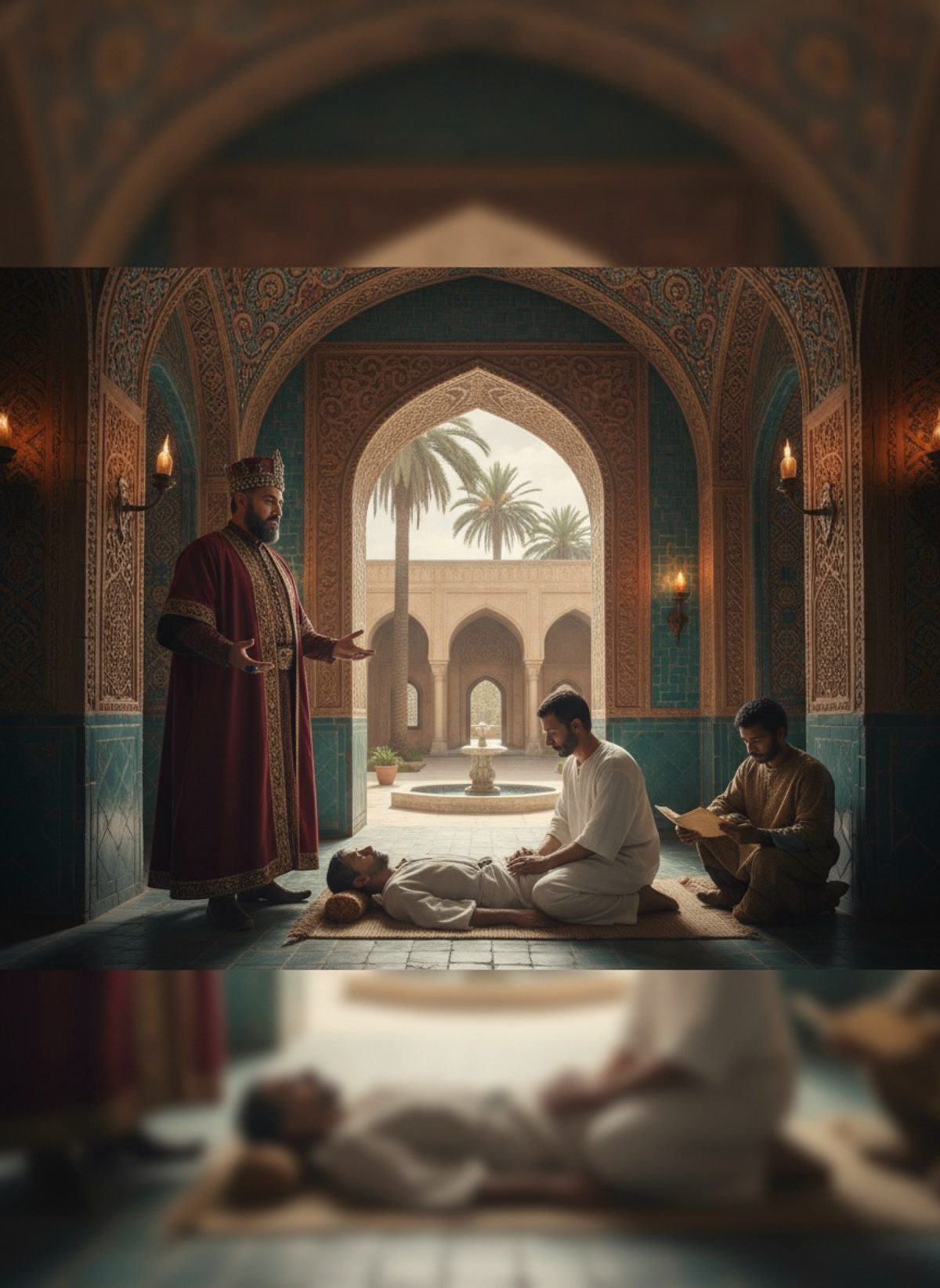
In the city of Gundeshapur, Khosrow made an unprecedented move: he commissioned the construction of a hospital that offered treatments to all, without charge. This initiative wasn't a mere political gesture. It was a manifestation of Khosrow's commitment to knowledge, healthcare, and the welfare of his people—a rare ethos for his time. However, Khosrow's interest in medicine and science wasn't merely philanthropic; it was strategic. By consolidating the scientific knowledge of various civilizations in one place, he sought to ensure Persia's intellectual dominance.
Gundeshapur became a beacon for scholars and physicians, drawing talent from Greece, India, and beyond. The city emerged as a melting pot of ancient knowledge, where Greek rationalism, Indian Ayurveda, and Persian scholarly traditions merged. This intellectual hub catalyzed significant advances in medicine, philosophy, and the sciences. The scholarly exchanges were facilitated by the House of Wisdom, an academy established in the city under Khosrow's careful patronage. It became the world's most important medical center, a status it would enjoy for centuries.
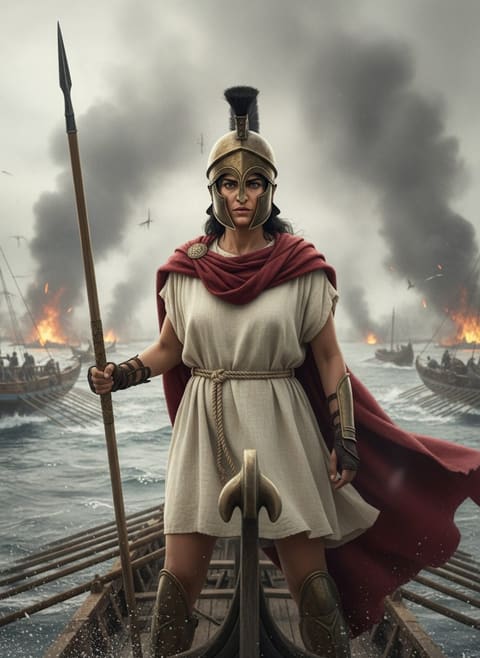
Read next: Mardonius Offered Athens Gold. She Sent Him Away.
Persian, Greek, and Indian physicians worked side by side in Gundeshapur's hospital, an unprecedented mingling of cultures and expertise. Physicians who trained and treated patients at the institution adhered to ethical standards akin to the Hippocratic Oath, emphasizing patient welfare above all else. This unity of purpose underlined Khosrow I's vision: a world where medical care was accessible to all, irrespective of their social status. The hospital was notably advanced in its approach to medical education. Students attended lectures, engaged in discussions, and underwent practical training in patient care. This approach laid the groundwork for modern medical training practices.
While Khosrow's domestic policies were visionary, his foreign endeavors were marked by intrigue and warfare. Despite the initial peace with Byzantium, hostilities recommenced in 540 AD, driven by Khosrow's dissatisfaction with Byzantine clients such as the Ghassanids. His military campaigns were both aggressive and strategic. In 540, he invaded and sacked Antioch, delivering a powerful message to the Byzantine Empire. The ensuing Lazic War embroiled the two empires for years, though it ultimately paved the way for Khosrow to demonstrate his tactical acumen and diplomatic finesse.
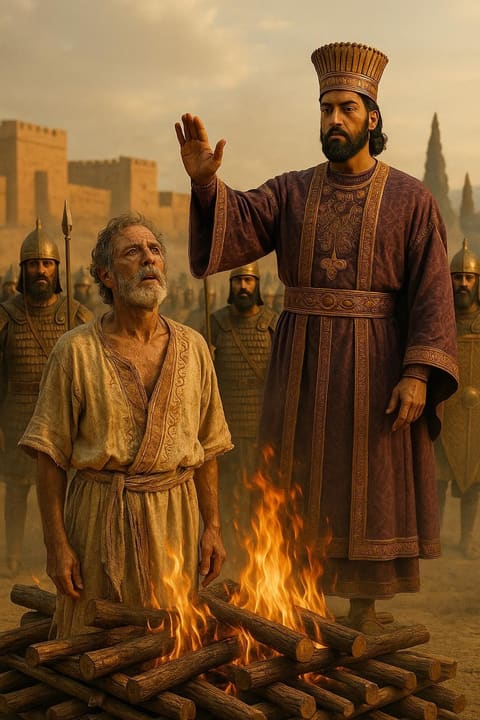
Read next: He Ordered the Prisoners Fed. Then He Set Them Free.
Khosrow's ambitions extended beyond mere conquest. By aligning with the Göktürks in the east, he defeated the Hephthalite Empire, avenging past Sasanian defeats. His campaigns also reached Yemen in the south, where his forces, commanded by Wahrez, vanquished the Aksumites. Khosrow's empire, by the end of his reign, stretched impressively from Yemen to Gandhara. Despite the conquests, Khosrow I's reign is remembered for his character and wisdom, his name eventually becoming a royal title, synonymous with strong, noble leadership, akin to "Caesar" in Roman culture.
His interest in literature and philosophy further enriched Persian culture. Khosrow invited philosophers from the Greek world to his court, especially after the closing of the Neo-Platonic schools by the Christian Byzantine Emperor Justinian. This influx of Greek intellects injected new vigor into Persian thought. Arts and science thrived under his patronage, setting the stage for an era of cultural fluorescence.
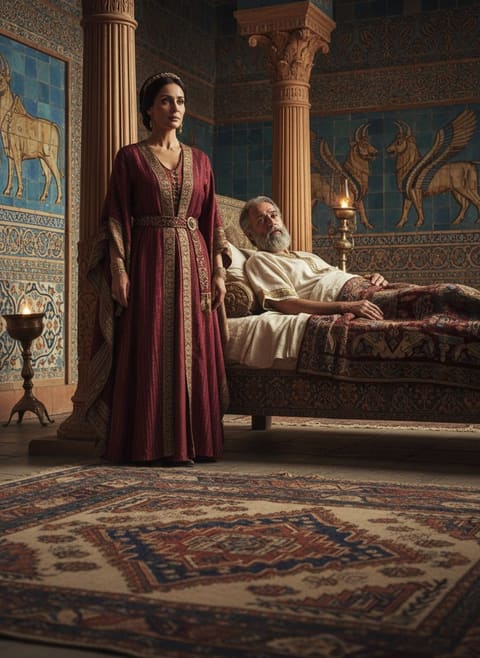
Khosrow I's death in 579 AD marked the end of an era. His son Hormizd IV succeeded him, inheriting a powerful and vastly expanded Sasanian Empire. Yet, it was Khosrow's non-military initiatives that left a lasting imprint on history. His establishment of the Gundeshapur institution exemplified his foresight in realizing that true power stemmed from knowledge and the well-being of his subjects.
The legacy of Khosrow I's hospital in Gundeshapur offers a compelling reflection on the timeless intersections of power, knowledge, and compassion. In an era where rulers often secured their legacies through conquest alone, Khosrow's contributions remind us of an alternative path to greatness—one where an enduring impact arises not merely from territories won, but from minds enlightened and lives improved. As history often favors the tales of wars won and empires built, the story of Gundeshapur and its free hospital stands as a testament to the enduring power of enlightenment and the human spirit.