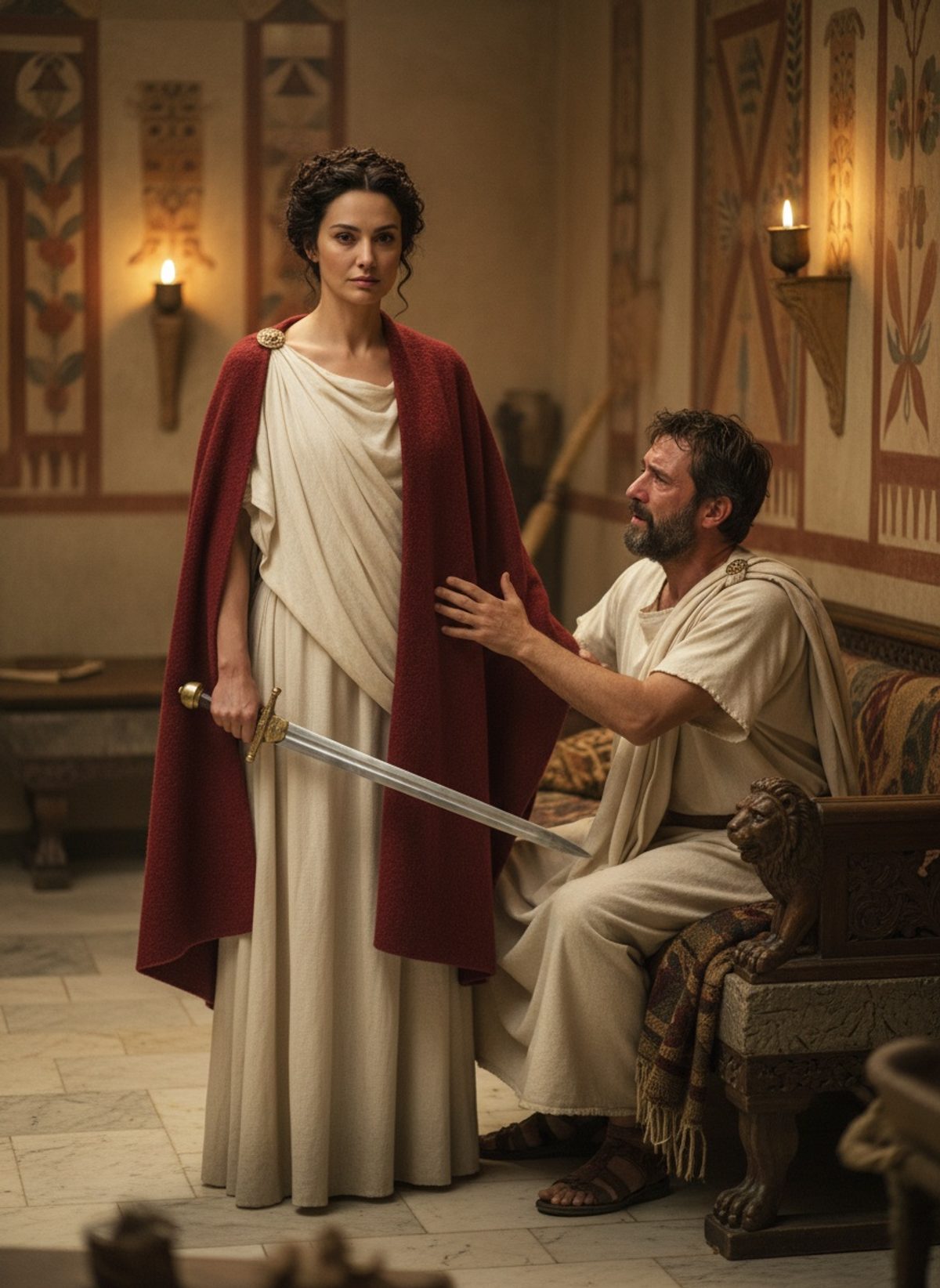
Arria tasted iron on her lips, warm and metallic. Her chest heaved, not from fear, but from resolve. She pulled the blade from her own body, steady and deliberate, and her gaze locked onto her husband's eyes. "Paete, non dolet," she whispered, offering him the dagger. To them both, this moment was not merely the end, but a profound expression of courage and love in a Rome teetering on the edge of tyranny.
The Heavy Weight of Duty
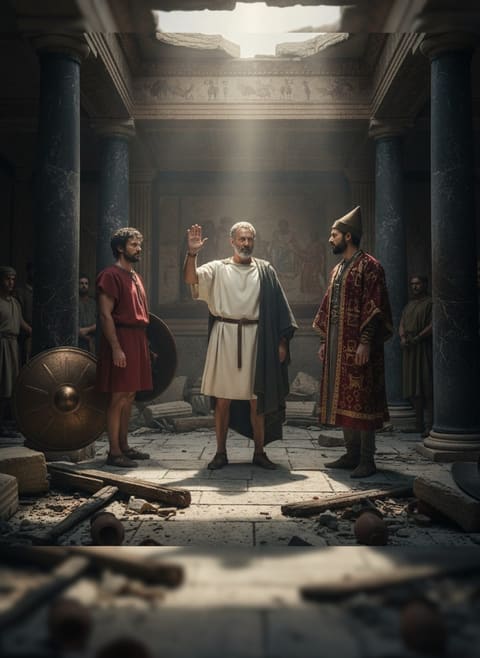
In the spring of 42 AD, the political landscape of Rome was fraught with betrayal and suspicion, as Emperor Claudius sought to solidify his tenuous rule. Within this climate of upheaval, Caecina Paetus found himself on the wrong side of the Emperor's favor. After participating in the abortive rebellion led by Lucius Arruntius Camillus Scribonianus, he was apprehended and condemned to death. The order was simple yet severe: a nobleman's demise required a self-inflicted end, a privilege denied only by Paetus's paralysis of spirit.
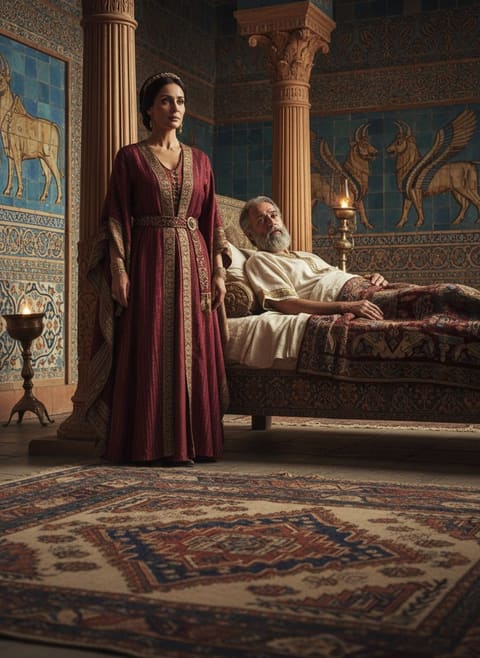
Arria, Paetus's devoted wife, had already proved her fortitude in the face of family tragedy. At the time of her husband's arrest, their son had just succumbed to illness. However, she concealed her mourning, presenting a façade of tranquility to her ailing husband. It was only during private moments that her grief would surface, before being resolutely swept away for the sake of Paetus's recovery. This same unyielding spirit propelled Arria as she wrestled the dagger from Paetus's hesitant grasp, demonstrating an indomitable will that was ultimately contagious.
A Defiance Blazing with Love
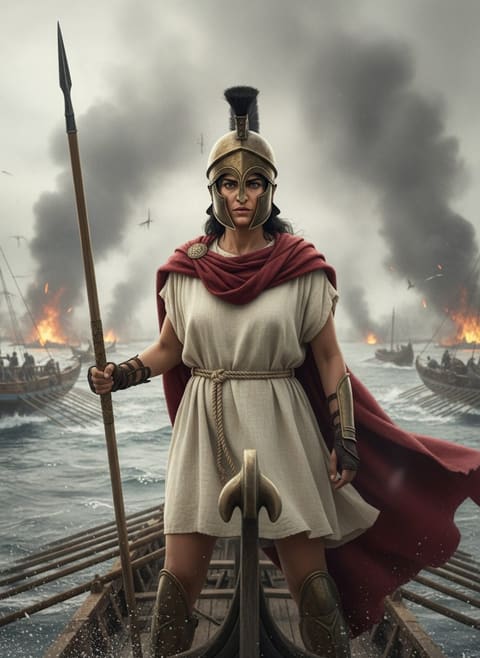
Arria's determination was not merely an act of spousal duty; it was a testament to the unyielding bonds between her and Paetus. When the Roman officials confined Paetus to a ship bound for Rome, Arria made a desperate plea. Her reasoning was both simple and indubitable: if Paetus, a man of consular rank, could have slaves attend his needs, why could not his wife—a partner of rank and love—be allowed to care for him? Such logic did not sway the authorities, who barred her from the vessel. Undeterred, Arria managed to shadow the ship in a modest fishing boat, her resolve as immovable as the tides.
Read next: Khosrow I Built a Free Hospital That Treated Anyone, Free
Her defiant streak revealed itself again when she confronted the widow of Scribonianus, who had condemned her husband's actions publicly. "Am I to listen to you who could go on living after Scribonianus died in your arms?" Arria queried, her voice a fierce challenge. Her rhetorical onslaught was a harbinger of her intention to join Paetus in death. Her son-in-law, Thrasea, a burgeoning senator and skeptical of Rome's regime, implored her to reconsider. He framed his argument around the welfare of her daughter, Arria the Younger, questioning if Arria would want her own child to follow the same path. Arria's response was unflinching: she would have urged her daughter to mirror the devotion she herself felt.
The Last Act of Protest
Arria's words foretold action, and she refused to be passive in her own narrative. Her determination to not let authority dictate her choices led to a desperate act, as she knocked herself out against a wall. Through her actions, she communicated an irrevocable truth: control over life and death resided in her hands alone. Her renewed plea was simple yet forceful, "I told you I would do it the hard way if you stopped me from doing it the easy way."
Read next: Nehemiah Crossed the Desert Alone. He Carried One Letter.
The Roman officials, perhaps recognizing the futility in resistance against such an indomitable spirit, eventually relented. They allowed Arria the agency she craved: the right to choose death on her own terms, by her husband's side. This liberty, however grim, was Arria's last victory against the Roman state's encroaching control, symbolizing an intense personal rebellion amidst the broader political turmoil of the Empire.
Eternal Echoes of the Undying Spirit
The account of Arria and her husband, immortalized in the letters of Pliny the Younger, transcends its historical roots to become a striking narrative of human resilience. Pliny's narrative, sourced from Arria's own granddaughter Fannia, resonates through the ages, illustrating the potency of personal agency and the profound reaches of love and loyalty. This moment did not whisper into history; it echoed powerfully, inspiring later Roman authors, such as Martial, who seized upon its poignancy in his epigrams.
Why do Arria's actions continue to captivate? Perhaps it is because they proffer an authentic glimpse into a world where individual choices could ripple into eternity, confronting and challenging structures of power. Her story exemplifies that even in an era dominated by monumental figures and political machinations, the courage of a single woman can transcend time and tradition, leaving a legacy not in stone and metal, but in the enduring presence of the human spirit. As contemporary readers reflect on Arria's courage—a defiance wrapped in love—they uncover a tale of timeless resonance, one that beckons us to confront, challenge, and choose in our own moments of decision. Her declaration, "Paete, non dolet," remains a testament not only to the moment but to the sheer audacity of love to defy despair.