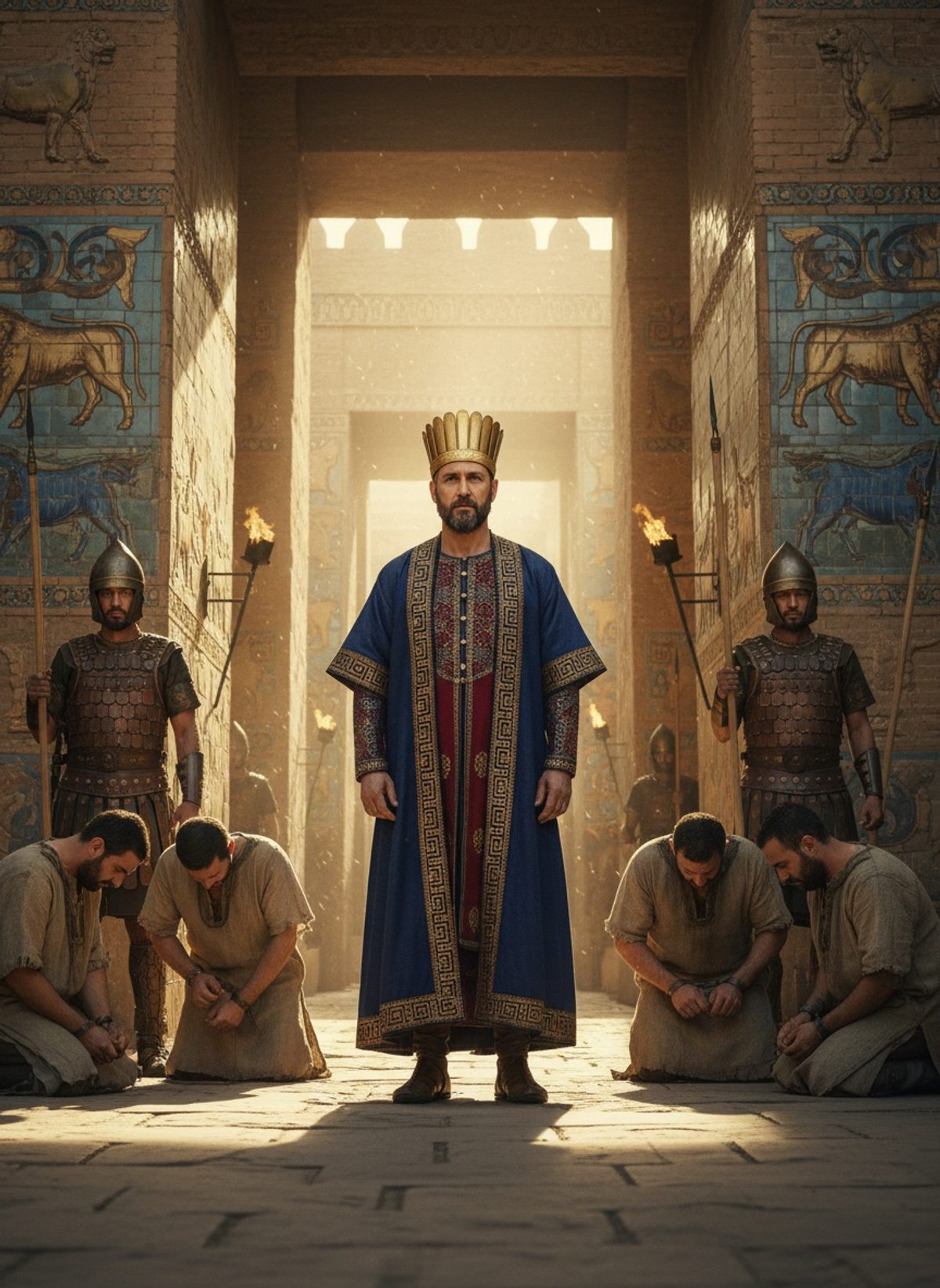
October, 539 BC. The gates of Babylon creaked open as the first light broke over the vast plains of Mesopotamia.
The City That Held The World in Chains
Babylon, the jewel of Mesopotamia, stood imposing against the horizon. Known for its famed Hanging Gardens, the city was a beacon of technological ingenuity and cultural splendor. Inside its massive walls lay a complex network of bustling streets, ornate palaces, and towering ziggurats. Yet, beneath this veneer of grandeur, Babylon harbored a darker truth — its prisoners. Thousands sat in chains, part of the spoils of conquest from Nebuchadnezzar's campaigns. Among them were whole communities torn from their homelands, including the Jews exiled from Jerusalem. The city, which was a cradle of civilization, was ironically a place of suffering for many.
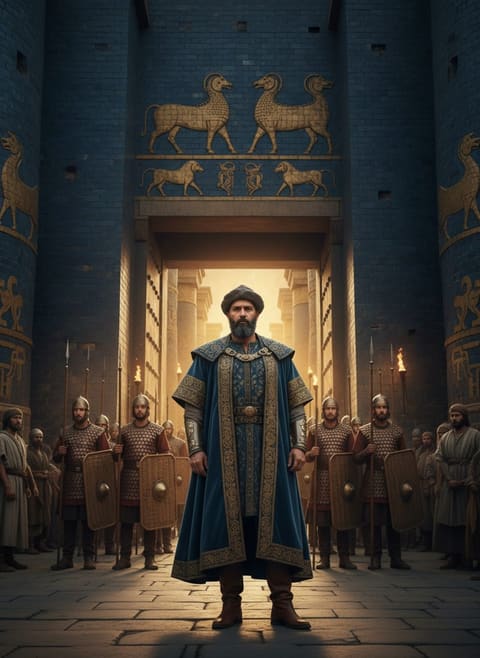
Into this world stepped an unexpected figure, Cyrus the Great, king of the Persian Empire. His arrival marked the turning of the tides. Whereas other conquerors would sack and subdue, Cyrus ushered in a new approach, one not only strategic but remarkably humane. With the Marduk Gate thrown wide to him, he entered the city not with violence but with the promise of liberation.
An Unconventional Conqueror
Cyrus was no ordinary ruler. The empire he crafted stretched from the Aegean Sea to the Indus River, a vast array of diverse people and cultures. Unlike other empires that held sway through brutal force, Cyrus's dominion was characterized by benevolence and respect. His conquest of Babylon, the gleaming prize of Mesopotamia, was a conquest by invitation — a bloodless coup aided by disillusioned Babylonian priests and citizens weary of their king, Nabonidus.
Read next: Darius Offered Him Wealth. He Asked for Seeds Instead.
On entering Babylon, Cyrus did what no conqueror before him dared. He ordered his soldiers to harm no one, their swords sheathed in favor of open palms. The city, which feared fire and bloodshed, saw its conqueror instead bring bread and sustenance. Cyrus acknowledged Babylon's hunger and suffering, ensuring every inhabitant, regardless of rank or origin, was fed. His actions reverberated through the city, fostering a spirit of hope where there had been despair.
The Decree of Liberation
Once the immediate hunger was quelled, Cyrus turned his attention to those languishing in Babylon's prisons. With a single decree, he shattered the fetters of captivity. The edict was extensive: all prisoners were to be freed, including exiled peoples like the Jews, who had spent decades in Babylonian captivity longing for their homeland. Cyrus's order was simple yet profound — the gates holding nations in exile were to be opened, the paths clear for their return.
For those prisoners, Cyrus was more than a king; he was a liberator, one who restored not only their freedom but their dignity. This act of humanity was encapsulated in the Cyrus Cylinder, considered by some as the world's first charter of human rights. Enduring for millennia, it enshrined the principles that all people deserved freedom, a belief radical for its time.
Read next: Croesus Was on the Pyre. Cyrus Heard Him Weep.
The Ripples of a Revolution
Cyrus's actions in Babylon were not merely a stroke of political genius; they were a beacon for future generations. This unprecedented liberation set in motion a series of cultural and religious resurgences. Jewish exiles returned to Jerusalem and, with Persian support, began to rebuild their temple. It was a redemption of spirit, a weaving together of ravaged communities into a newer tapestry of resilience and hope.
The legacy of Cyrus lingers in the annals of history as one of the great champions of tolerance and human rights. His approach to governance — centered on respect for the customs and religions of diverse peoples — laid foundations that would influence future rulers, including those of the Greek and Roman empires. In a world often defined by division and conquest, Cyrus's reign highlighted a different path, one crafted with mercy and wisdom.
Reflecting on his actions offers a window into a possible future where power is not measured by coercion but by compassion. Cyrus the Great transformed a world embroiled in conflict into one united by peace, demonstrating that the true strength of an empire lies in the happiness and freedom of its people, not in the chains that bind them.