The midday sun blazed over the dusty streets of Gaza City, casting elongated shadows amidst the tumult. The air was thick, heightened by the unmistakable hum of tension, its heat only rivaled by the palpable strain in the hearts of those who moved within its confines. Laughter was scarce, conversations hushed by the weight of uncertainty, but the reality that loomed ahead on that fateful day in late September 2000 was about to unfold into tragedy: a tragic story that would not only capture the world’s attention but also trouble its conscience.
A Moment Caught in Time
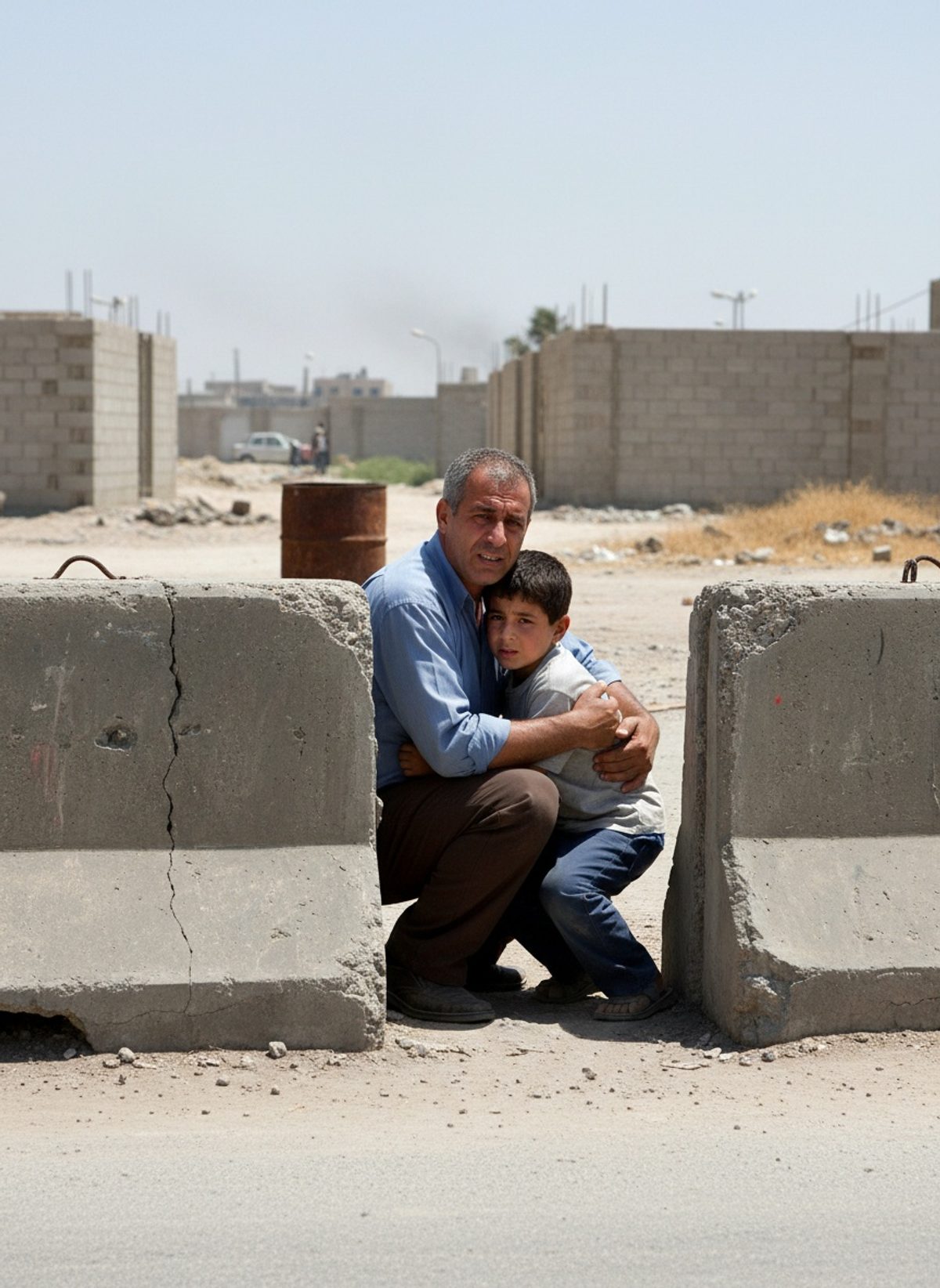
As the millennium turned, the fabric of the Israeli-Palestinian conflict was being interwoven with new complexities and simmering tension. For many who called Gaza home, the afternoon of September 30, 2000, started like any other, though its rippling undertows hinted otherwise. Muhammad al-Durrah, just twelve years of age, found himself amidst this chaos, alongside his father, Jamal. They sought refuge behind a concrete barricade from a maelström of crossfire.
The scene was chaotic, riddled with the unnerving sounds of exchanged gunfire and echoing shouts. Despite his youth, Muhammad’s face bore an expression far beyond his years. It was a face that would soon become painfully recognizable around the world, captured through the lens of a camera held steadily by French television cameraman Charles Enderlin. Enderlin’s footage did not blink away from the tragedy, pushing the global audience into an intimate view of war's unforgiving hand. The footage showed Muhammad in a harrowing climb toward martyrdom; it portrayed innocence trapped in one of the world's most persistent conflicts.
As bullets whistled and heartbeats escalated, the pair crouched helplessly, with only a cement drum as a shield. His father tried desperately to shield him from harm. Yet, the air crackled menacingly with more than just gunfire. It held a cry for help that reverberated through households as the scenes unfolded on screens globally, striking a chord in communities that resonated with the universal language of loss.
Read next: Every Man Watched the Capsule. One Number Changed Everything.
The World Watches—and Debates
The incident was quick to spark international discourse. The death of Muhammad al-Durrah, as captured that day, became emblematic, evoking visceral reactions that transcended borders. However, the tragedy was soon ensnared within a web of polemics and political maneuverings. The footage supplied immediate symbolism, but interpretation was split, forming schisms not only geographically but ideologically.
Eyewitness accounts and the subsequent airing of the footage channeled attention to the ongoing strife between Palestinians and Israelis, particularly focusing on the dynamics of power and the plight of civilians caught in the crosshairs. Activists and politicians derided the incident either as a bleak injustice or a manipulative narrative amidst the propaganda war. This divisive fray often overshadowed the simplicity of a life lost too soon—a boy’s tragic fading into a mere symbol of ongoing conflict.
The unraveling events saw the emergence of rigorous allegations and denials. The veracity of the footage was scrutinized under countless lenses, as some groups claimed that the incident was a staged spectacle to sway international opinion against Israel. Hence, what was captured as a stark reminder of innocent lives disrupted by political rifts spun into a labyrinth of accusations and counterclaims.
Read next: Phormio Had Twelve Ships. Sparta Had Forty-Seven.
Reflections from Ashes
While debates endured in diplomatic chambers and among global observers, the impact was unavoidably local. Within Gaza, Muhammad al-Durrah was a son, a student, a friend who left a void in his immediate community. The visage that became a global emblem of suffering reflected tangible grief, with his family living each day with the lingering resonance of loss.
As conversations unfolded in the world's arenas, lives like Muhammad’s served as more than narratives spun by lenses. They underscored the urgent need for human empathy when deliberating policies and strategies in regions marred by perennial conflict. For those entrusted to resolve and report, each decision carried the weight of potential generations to follow, marking further lives on repeat with stories such as Muhammad al-Durrah’s.
Standing firmly in the light of this tale is a stark reminder—empathy does not pause for debates. The world may argue over what occurred behind that barricade, but the confrontation with the stark reality of young lives interrupted by discord is undeniable. The allegory of the ill-fated boy and his father forms a somber call to action, adding depth to more than policy considerations: it speaks to the core of humanity, urging a move toward peace, to ensure fateful afternoons like that of September 30, 2000, never cost such innocence again.