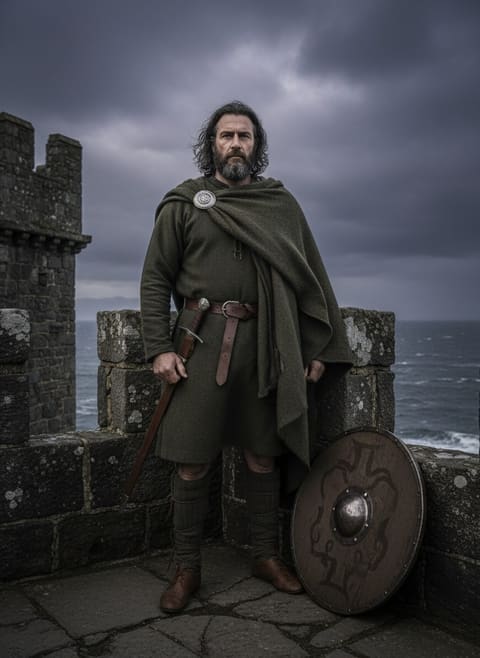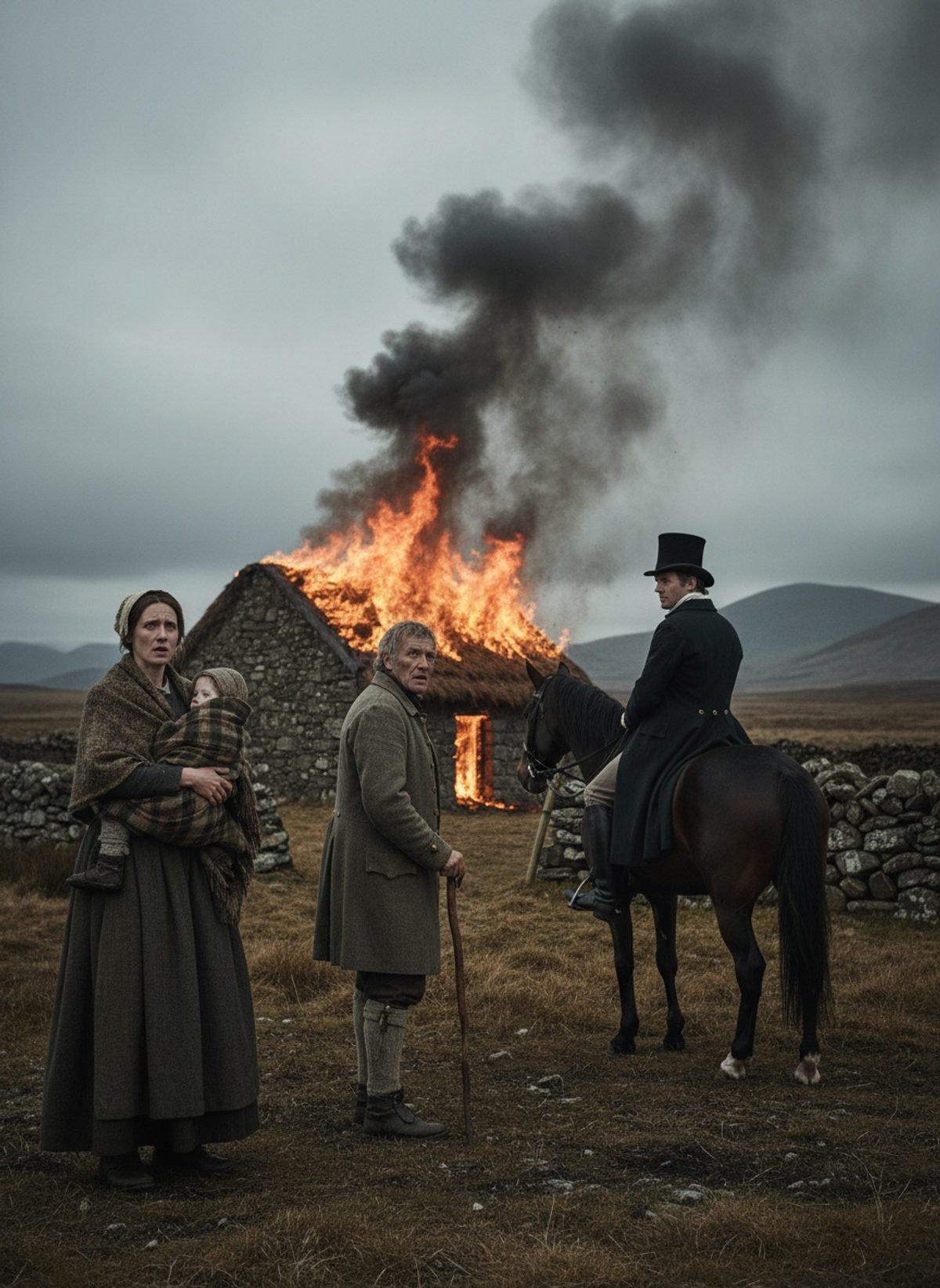
He was a man of calculated ambition. Yet, Patrick Sellar was not the villain you might first imagine.
The Rise of Patrick Sellar
Patrick Sellar was not born into wealth or privilege, a fact that surprises many given his later actions. He was a self-made man with a keen eye for opportunity, traits that propelled him into the good graces of the influential people of his time. Sellar's journey to notoriety began with his appointment as a factor—essentially an estate manager—for the Duke of Sutherland, one of the largest landowners in Scotland. Sellar’s job was to increase the profitability of the vast Sutherland estates, a task he approached with steely resolve and little regard for traditional ways.
His rise to power was steeped in the broader context of the Highland Clearances, a series of evictions that swept through Scotland in the 18th and 19th centuries. These clearances were driven by economic changes that valued sheep over people, turning vast tracts of land into profitable grazing pastures. Sellar saw himself as a modernizer, bringing the promise of progress to what he viewed as backward lands. But the methods he used would echo with infamy across the centuries.
The Evictions Begin
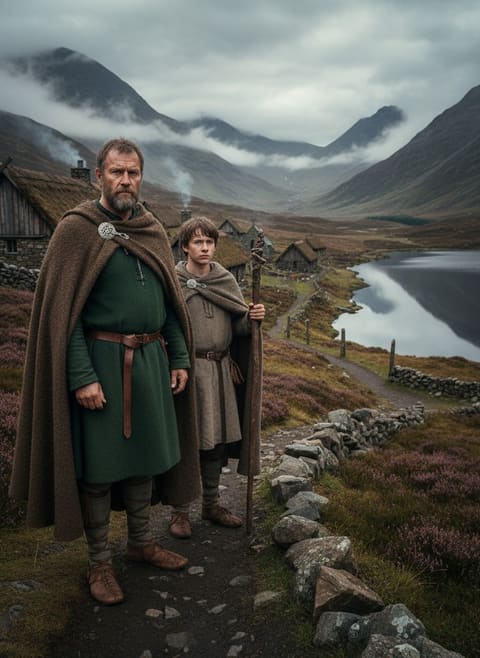
By the spring of 1814, Sellar's plans for the Sutherland estate were in motion. The crofters—small-scale tenant farmers who had eked out a living on the land for generations—were deemed expendable. Sellar, armed with his orders, led eviction teams through the valleys and glens of Sutherland. These teams were tasked with clearing the land, often with little warning to the residents. Their duty was clear: the crofters had to leave, to make way for sheep farming, a much more lucrative enterprise in the eyes of the estate owners.
Read next: The Day a Highland Castle Held Its Clan's Last Secret
Stories of Sellar’s methods quickly spread. The thatched roofs of crofters’ homes were set alight, sometimes with the elderly and infirm still inside. It was a brutal approach, yet Sellar saw this as simply the cost of progress. The stakes were high, and the reward even higher, as the potential profits from sheep farming dwarfed those of the traditional, subsistence farming practiced by the crofters. To Sellar, these actions were not just necessary but inevitable.
A Courtroom Drama
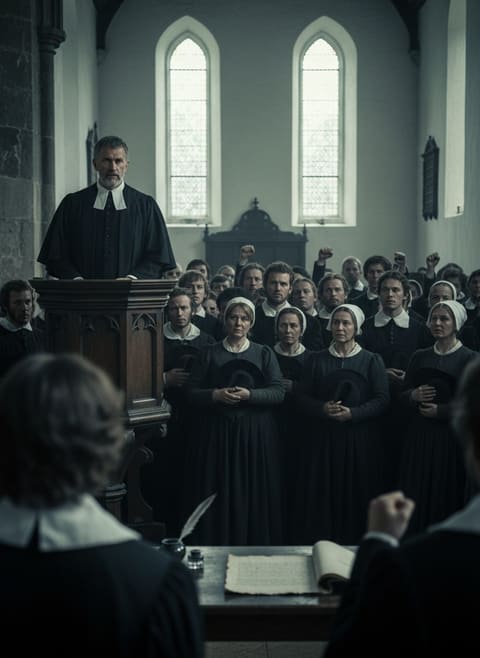
The events of 1814 soon led to a courtroom, as outrage over the evictions boiled over. Sellar was charged with culpable homicide after the tragic death of several crofters, whose homes had been set ablaze before they could be safely evacuated. The trial captivated public attention, drawing spectators from across Scotland.
Sellar defended his actions as being within the law and in service to the economic advancement of the region. He argued that the charges against him were a misunderstanding of the necessary force needed to clear the lands. The jury, composed of landowners themselves, famously took only fifteen minutes to reach a verdict of not guilty. To many, it seemed more a trial of the landowner’s rights over the rights of the tenants—a telling reflection of the power dynamics at play in 19th-century Britain.
Read next: The Day a Scots Judge Set a Dying Man Free in Open Court
The Aftermath of the Trial
Sellar’s acquittal sent shockwaves throughout the Highlands and beyond. For the crofters, it was a profound injustice, a stark reminder of their voicelessness in the face of encroaching modernization. Many were displaced, forced to leave their ancestral homes and way of life behind. The aftermath also saw increased migration from the Highlands to urban areas or even across the Atlantic in search of a more viable existence.
While Sellar’s actions were not unique, they were uniquely visible, becoming a symbol of the Highland Clearances at their harshest. His acquittal did little to soothe the wounds of those affected. The legal vindication stood in sharp contrast with the moral outrage felt by many, an unresolved tension that would linger in Scottish memory for generations.
The Unforgotten Fires
The story of Patrick Sellar and the burning of the Sutherland crofters' homes is more than merely a chapter of Scottish history; it is a narrative rich with the complexities of progress, power, and justice. It forces us to confront uncomfortable truths about how land and life were valued, and by whom. The scorched earth of Sutherland bore witness not just to the physical fires lit by Sellar, but to a burning question that still resonates today: how do we weigh economic prosperity against human cost? As we reflect on these events, the flames of 1814 illuminate the ongoing conversation about equity, power, and the rights of individuals against the imperatives of the powerful.