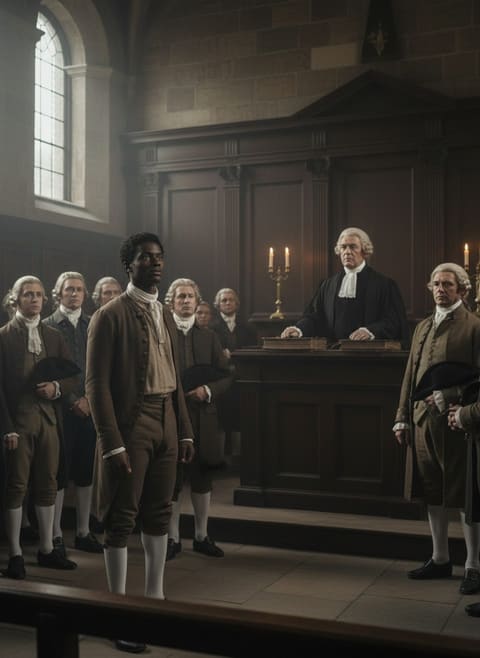
A chill hangs in the Edinburgh air on this winter morning of January 1707, the kind that seeps into bones and whispers promises of snow. The cobbled streets, usually filled with the bustling energy of a city thrumming under its own power, are unusually still. Only the somber figures of townspeople, gathered in clusters, break the silence. Their eyes, reflecting a mixture of despair and defiance, are turned towards the Parliament House, that solemn stone edifice in which, on this day, Scotland is poised to trade its soul for survival.
The Storm Before the Calm
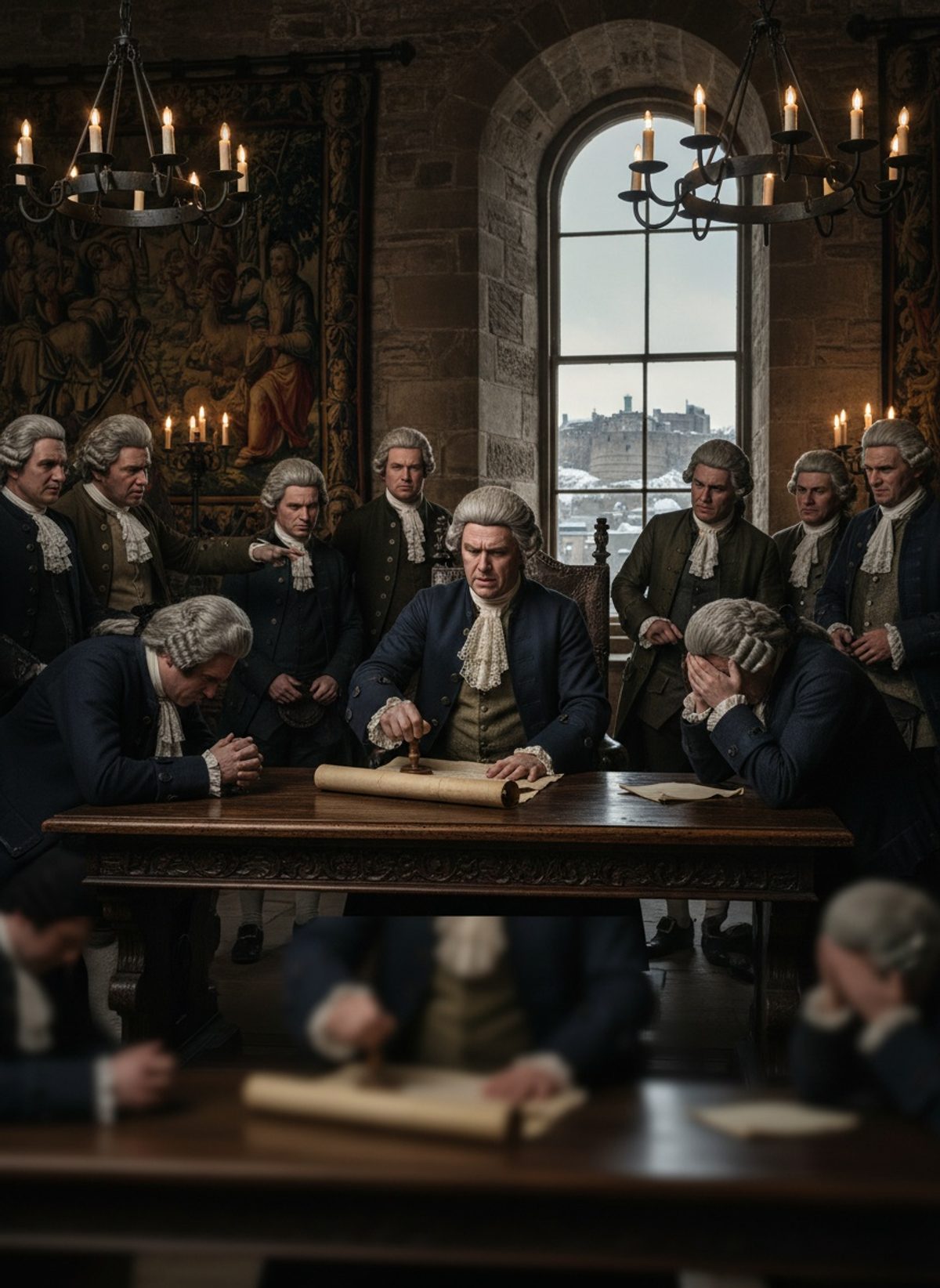
The Acts of Union, passed by the Scottish Parliament by a margin of 110 votes to 69, were not merely a legislative maneuver but a seismic shift in British history. The decision to dissolve Scotland's sovereignty and meld it into a united Great Britain was as divisive as it was decisive. Behind the stone walls, the House hummed with debate and diatribe. Men like the Duke of Hamilton, who had navigated the treacherous tides of politics with an eye on his own legacy, found themselves caught in an impossible current. At the eleventh hour, Hamilton changed his vote, a symbolic gesture that echoed far beyond Edinburgh's confines and into the heart of a nation on the brink.
Outside, the rioting masses laid bare the raw emotion of the people — patriotic, defiant, and profusely proud of a history that stretched long across the battles and victories that dotted the ancient landscape. They watched their hopes wither against the stoic announcement that their representatives had been outnumbered. The cries of "bought and sold for English gold" painted the air as vividly as the red banners carried through the streets, a poignant accusation of betrayal whispered by countless voices.
It is said that the law's passage was met with public grief and ceremonial mourning, a society grappling with the loss of identity. The dramatic shift, officially signed off by the Earl of Seafield with the chillingly ironic epitaph, “There’s an end of an auld sang,” echoed like a dirge through the land.
Read next: The Day a Scots Judge Set a Dying Man Free in Open Court
The Murmur of Money and Influence
Behind the ostensible political maneuvering lay the specter of financial desperation. Scotland's economy, battered by failed colonial endeavors such as the ill-fated Darien Scheme, found itself at a precipice. The scheme, although born of ambitions to establish a new Scots trading colony in Panama, proved catastrophically expensive and left the nation teetering on the edge of bankruptcy.
The English crown, wary of Scotland’s vulnerability potentially leading it into the arms of old European enemies, presented the Union as a lifeline. The allure of economic support and potential prosperity under a unified crown swayed many a Scottish MP. Yet, the perception among the populace, who saw themselves not as benefactors but as victims of a coercive strategy, stirred unrest.
In the hushed corridors of power, negotiations were whispered. The burgeoning tension turned ally into rival, leaving a trail of promises and politics that wound around the heart of the Scottish identity. Images of MPs weighed down with figurative sacks of gold circulated amongst townspeople, staining their representatives in the eyes of history. The quiet rooms of Edinburgh, candlelit with deliberations and aspirations, bore witness to the clandestine discussions that culminated in a signature stamped like a seal of fate.
The Dance of History's Shadows
As the ink dried on the Acts of Union, the nation underwent a metamorphosis, shedding layers of its sovereign skin. The repercussions resonated through time, an undercurrent shaping the subsequent centuries of British history. Scotland, immersed in its storied landscape and proud traditions, was subsumed into a greater tapestry. Yet, beneath the surface, the spirit of dissent simmered, unyielding, and at times, incandescent.
Read next: The Day a Scots Weaver's Son Freed the Kirk From a King
The streets of Edinburgh, once the beating heart of an independent realm, now thrummed with the muted tones of a forced marriage. The decision, though spread across parliamentary votes, found its place in the nooks and crannies of pubs, homes, and hearts — each conversation bearing the weight of history’s shifting sands. The Duke of Hamilton’s vacillation symbolized a broader uncertainty, the crossroad at which an entire nation stood.
Ultimately, the Union was about more than just a unification of state. It was an existential reckoning that captured the essence of Scotland's enduring struggle with its identity throughout modern history. The tensions of 1707 did not wither away but lingered, shaping debates and igniting movements for centuries to come. Within those acts passed by a narrow corridor of parliamentary votes lay the seeds of all manners of future reckonings, rippling with consequence.
The weight of the century’s decisions rests lightly now on its history’s shoulders, but the echoes remain potent. The day Scotland nearly broke the union was a testament to resilience, resistance, and the unyielding fight for a nation’s soul—a legacy that outlasts signatories, lives on in whispers of past valor and future dreams, and reminds us that history’s tides are never truly mastered, only survived.