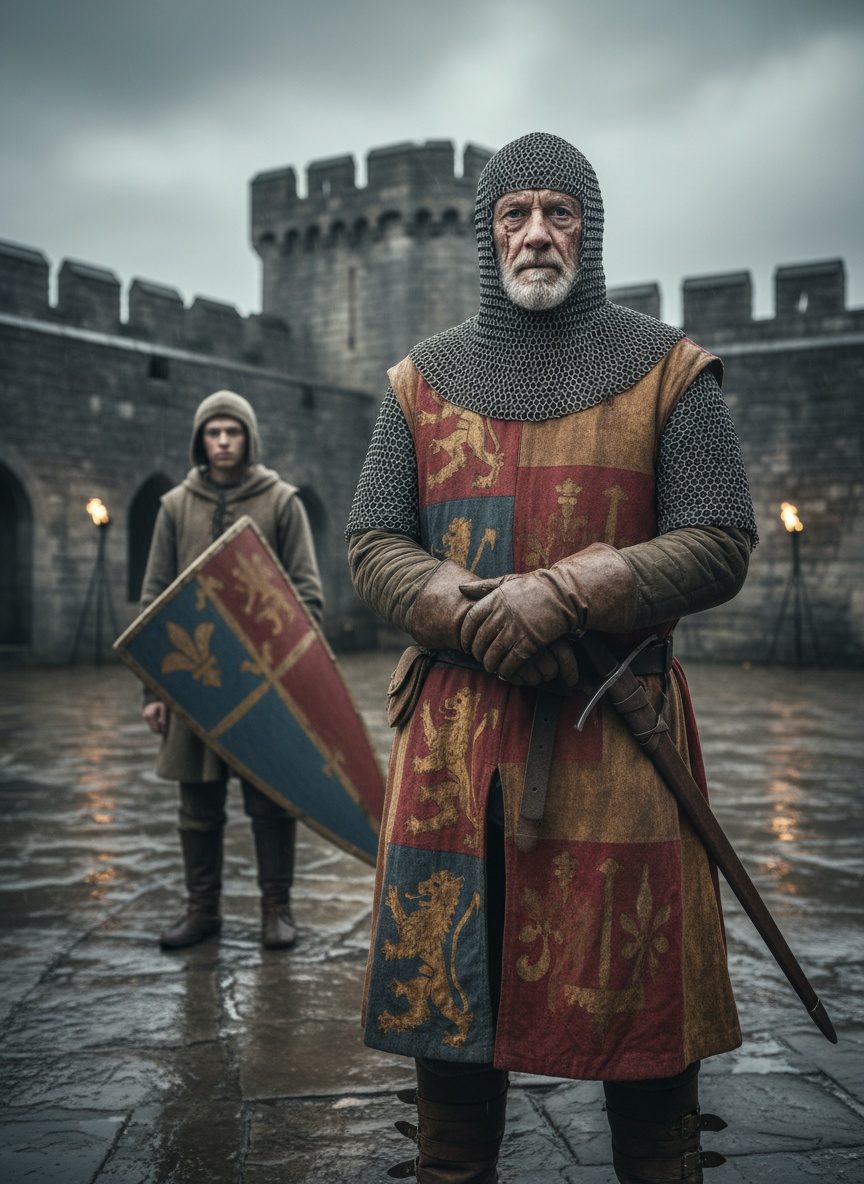
The metallic clang of swords echoed in the gray dawn as William Marshal drew his blade, the mist of breath heavy in the air. Around him, the world stirred to life with the shouts of men and the stamping of horses’ hooves on frost-hardened earth. He was seventy, an age when most knights would have long since retired, yet here he was — his soul afire with the purpose to preserve a kingdom from splintering to chaos.
Two weeks prior, the sudden death of King John had left England in peril. His nine-year-old heir, Prince Henry, was too young to comprehend the weight of the crown that had been placed upon his head. Half the realm seemed already lost to the French invaders, with the remaining English barons divided, their loyalty as shaky as the autumnal winds that swept across the land. Many had little faith in the future of a kingdom led by a child.
But William Marshal was not like the others. Known as the greatest knight in Christendom, a bulwark whose reputation echoed across European courts, Marshal rose to this ultimate challenge not with resignation but with a fire undimmed by age. In those hours of uncertainty, when the English realm threatened to unravel into foreign clutches, it was Marshal who stood defiant – not a whisper of doubt or defeat about him.
Marshal's reputation as a peerless warrior was a bridge across generations, yet it was his mind that proved to be his greatest weapon. On this October dawn, he was not just an old knight eager for battle, but a strategist with a plan crafted as much by wisdom as by steel. Whispered tales from the battlefield often painted Marshal as less a man and more legend; tales of chivalric deeds and bold courage, yet few could have anticipated his resolve that day. Behind what once seemed the fading glories of a bygone era roared the heart of a lion committed to England's salvation.
Read next: The Day a Welsh Girl Barred the Door on a King's Army
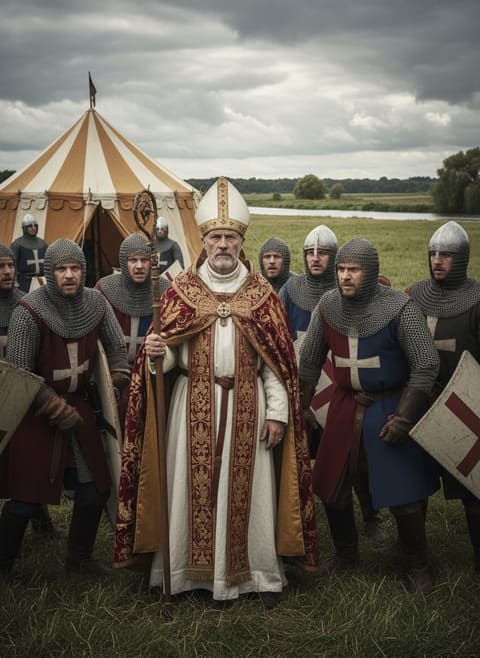
As the morning light glinted off his blade, Marshal, though burdened by his years, mounted a steed imbued with youth's vitality. The veteran knight, his experience forged in the heat of countless battles from Ireland to France, knew this was no mere skirmish. This conflict was for the soul of England itself. Facing an army that was foreign in both tongue and allegiance, Marshal inspired those alongside him not just to fight but to believe — believe in their homeland, their legacy, and in the boy who needed them.
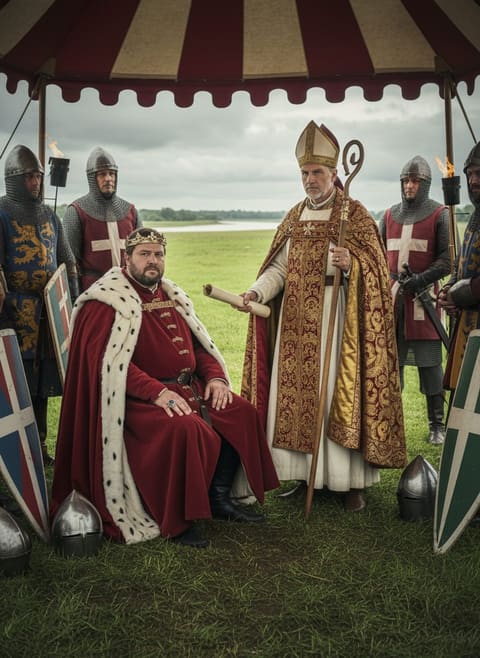
The boy-king, Henry III, had become a symbol around whom Marshal could rally the loyalty of a weary and divided nation. Young Henry’s courts, stationed at Gloucester, had gathered what support could muster, yet it was Marshal's call that resonated across the land, reaching ears that yearned for stability and remnants of true leadership. In particular, his impassioned speech to wavering barons rejuvenated spirits and galvanized action, painting a vision of unity against the specter of foreign rule.
This empathy and vision was not merely political calculation; it was the assurance of a man deeply woven into the fabric of the land itself. For Marshal, this fight was personal. The England he fought for was the soil beneath his feet, the legacy of his past deeds, and the vision for future generations. It was this personal commitment that saw him through battles that rocked the kingdom, swaying tides that could easily have been unassailable.
His presence energized campaigns that year, dampening the opposition like rain upon a flame. Loyalty to the crown, to the very concept of an English king rather than a foreign one, surged within hearts too long gripped by uncertainty. Marshal’s boldness at Lincoln in 1217, where he led a decisive charge that turned the tide in England's favor, was a testament to his unerring vision for a united realm against all odds. It was a battle where brass met iron and conviction overcame all else.
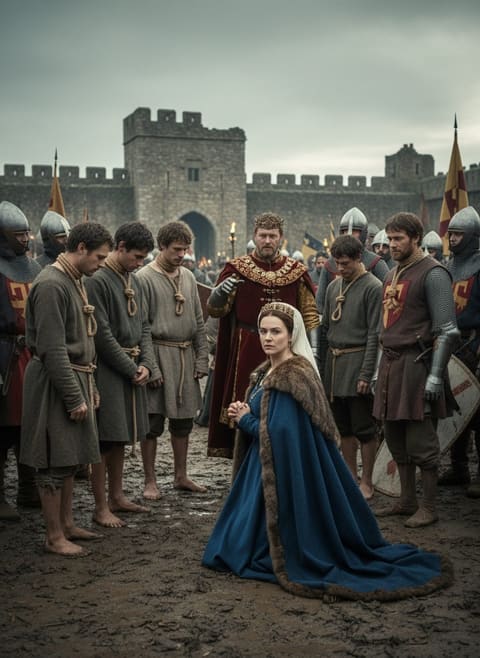
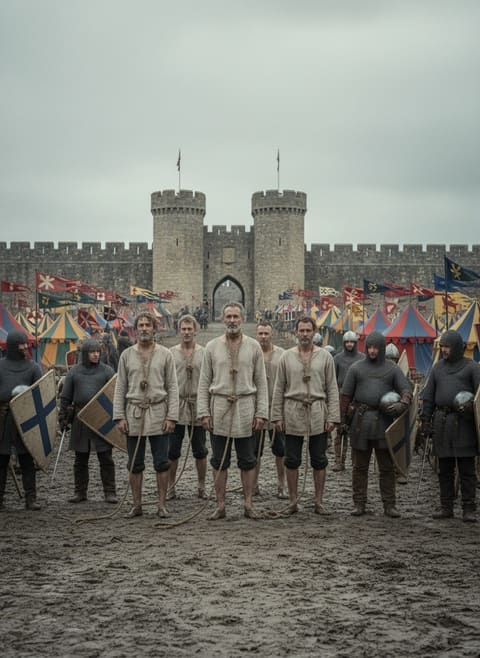
Read next: The Day a Medieval Mayor Knelt and Saved Six Condemned Men
This decade-defining stand not only preserved the crown but also began the stitching together of a nation that had teetered on the brink of collapse. In a kingdom held in temporary chaos, William Marshal’s legacy burned brighter than any monument of stone or crown of gold. His was the tale of steady ideals and an iron will that refused to falter in the twilight of his years — a blend of youthful valor and sagacity that left an indelible mark on England's history.
When historians speak of resilient leaders, they often miss the quiet giants whose actions shift the course of nations not through sheer force alone but through the power of integrity. In this way, William Marshal embodies the spirit of medieval knighthood elevated to its noblest ideal: a defender of innate values and unfaltering duty. In saving England, Marshal not only secured a young monarch's crown but also fortified the direction of England itself well into the future.
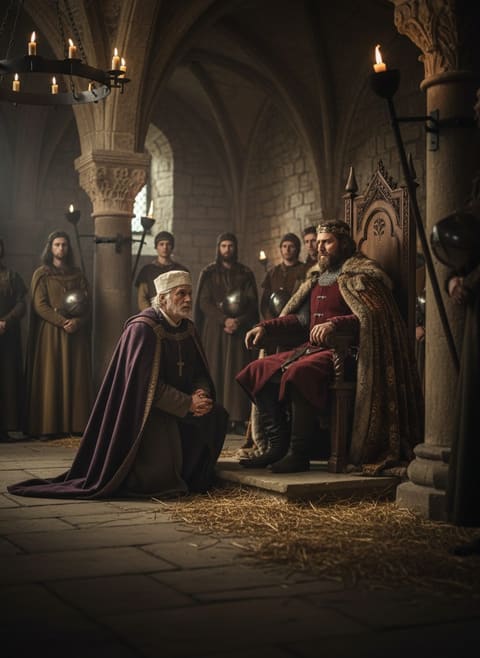
As Marshal’s story fades into the tapestry of time, it beckons those in contemporary climes to remember the power of conviction and the importance of taking a stand for unity and faith even when hope seems dimmest. In the legend of a knight who knelt so that a boy king could stand, there echoes a lesson as vital now as it was then — of courage, guidance, and the inherent strength found not just in youth, but in the lived experience and enduring spirit of those who came before.