Robert Blincoe is not a household name. But he should echo through the halls of your imagination.
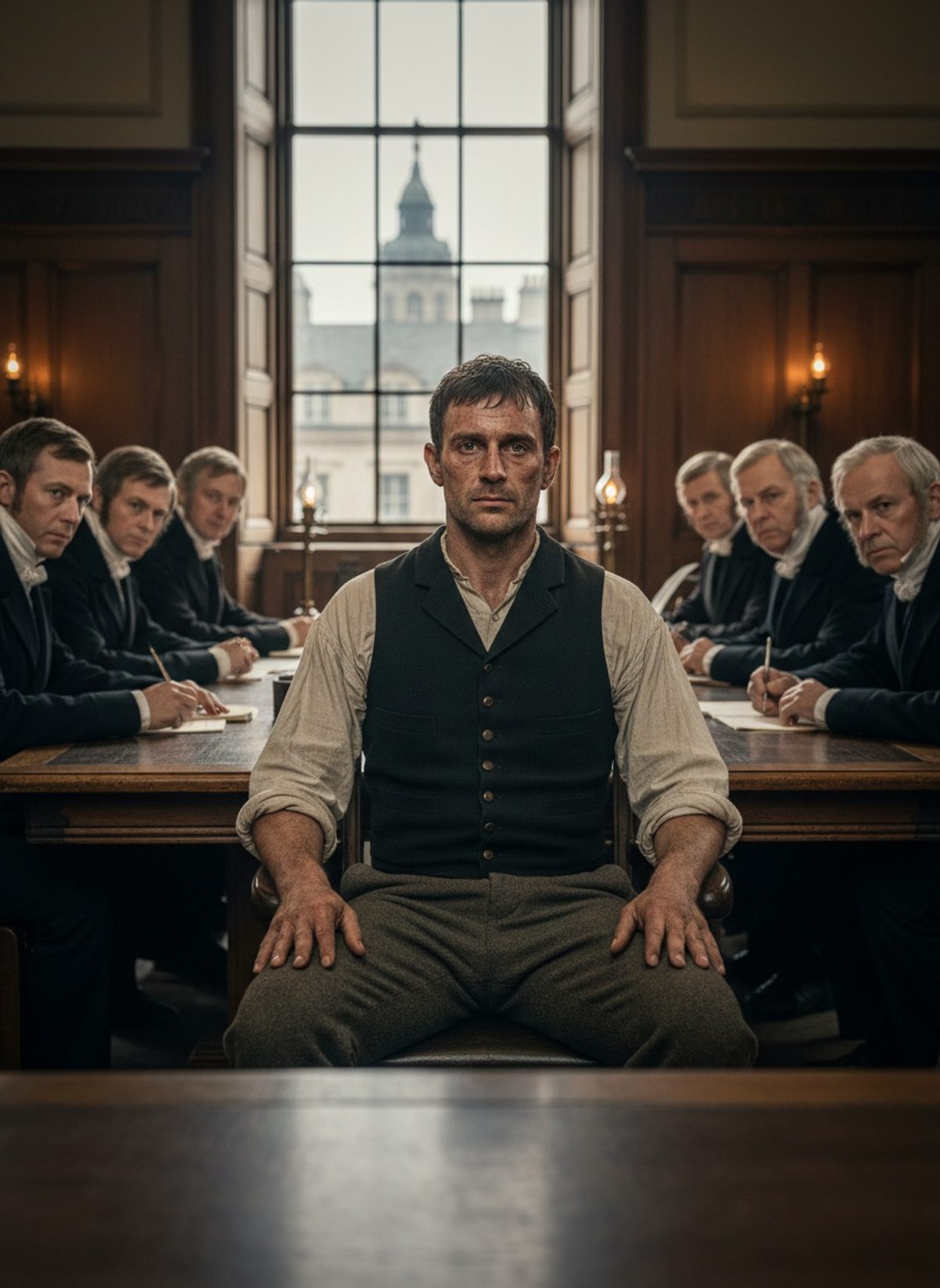
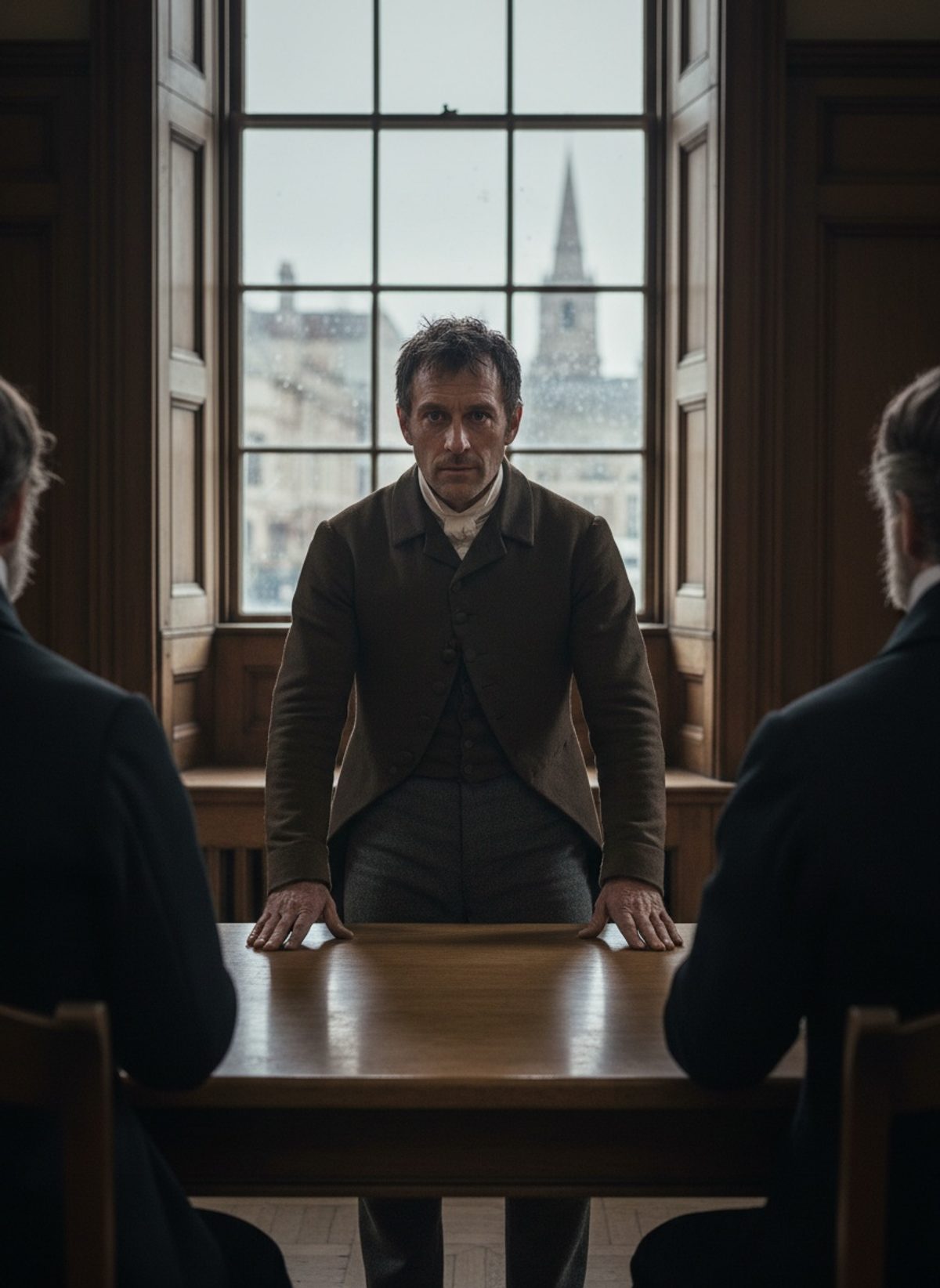
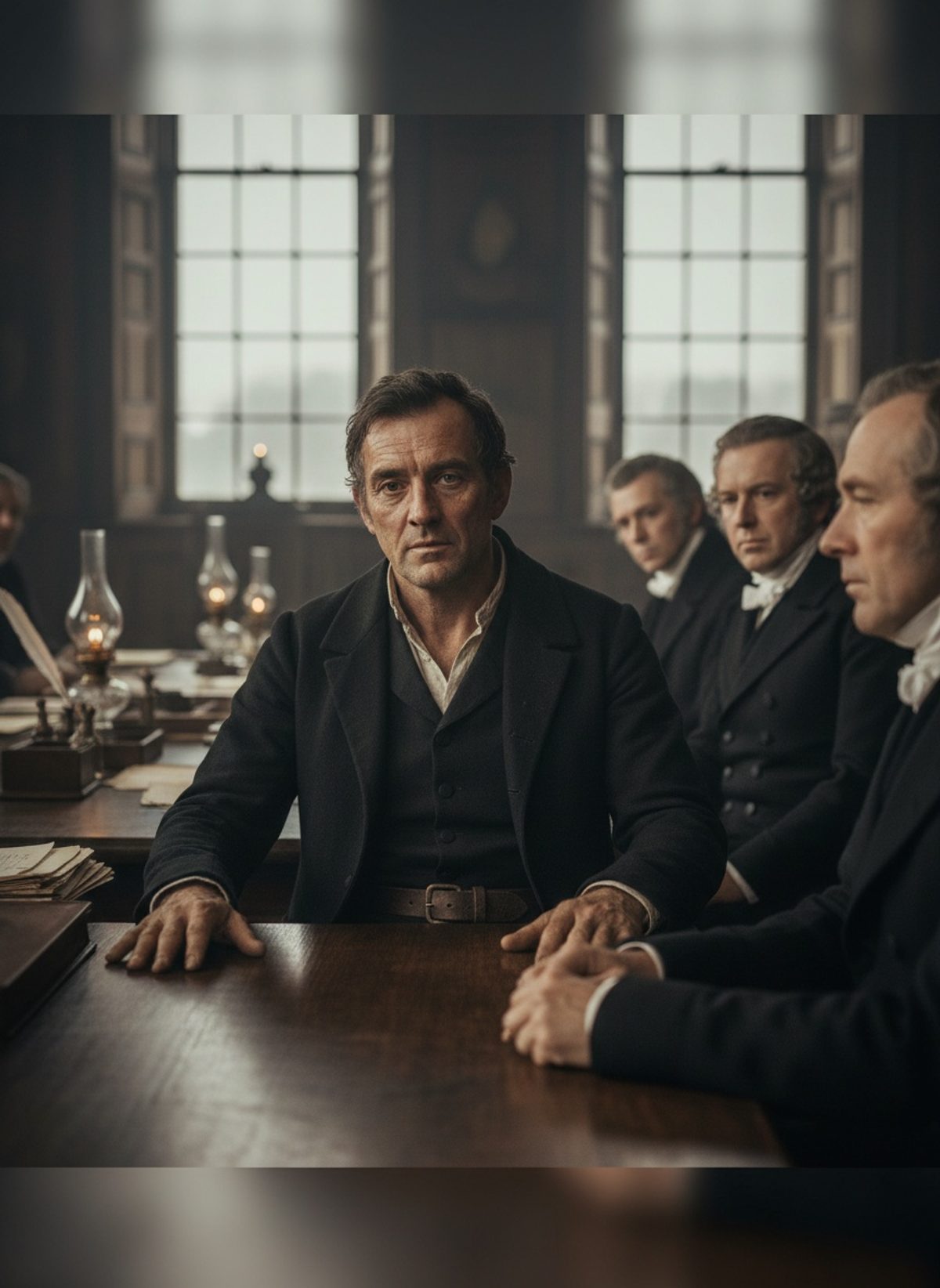
It was 1832, a year etched into the calendar of Britain's most contrite reckonings, when Robert Blincoe sat, a weathered man of barely 40, before the esteemed – and often indifferent – seats of Parliament. His was not a Gothic tale penned by a Brontë or reimagined by Dickens; it was visceral, lived with the raw authenticity of a reality no quill could adequately capture. Parliamentarians were accustomed to debates on policy, tariffs, and empire – but what they encountered in Blincoe was a story so harrowing it scratched at their composure, forcing the unseen into stark visibility.
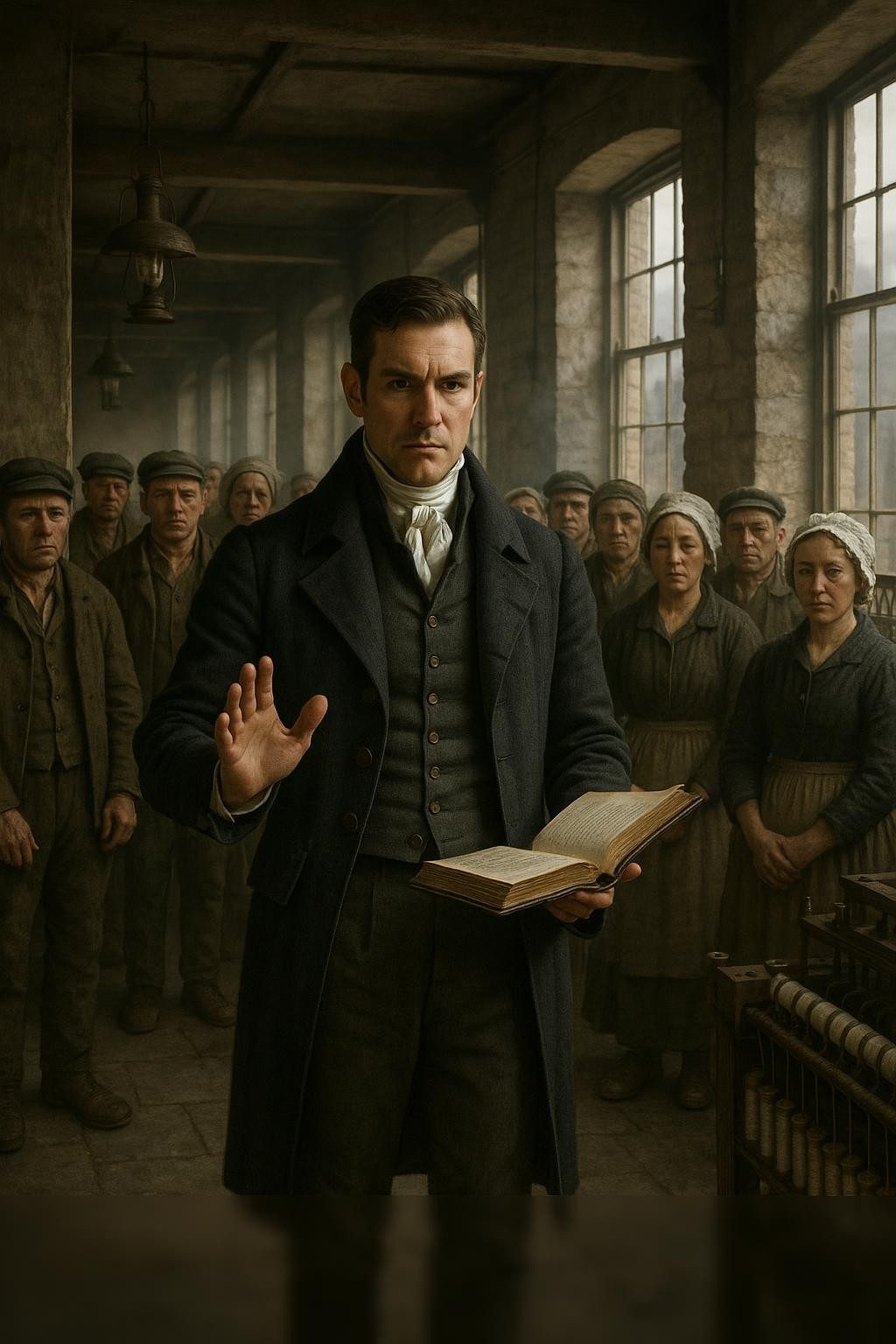
Thirty years prior, in the bustling heart of Nottingham, a young Robert faced a future as bleak as the storm clouds that hung perpetually over the industrial skyline. Sold to a cotton mill at just ten years old, the innocence that should have accompanied his youth evaporated like the steam driving the machines that controlled his fate. The factory floor was a world of relentless clatter and clashing iron – sounds that drowned out the laughter one would expect from a child of ten. Instead, the machinery's rhythmic beat was the drums of his duress, a symphony no child should learn to dance to.
Living quarters for the children were scarcely better than the workrooms. Cramped, dimly lit spaces reeked of neglect, and were so tightly packed that the concept of privacy was a foreign luxury. Abject poverty dictated the lives of those tethered to these mills, yet for Blincoe and his peers, poverty was merely a backdrop to more severe ordeals. Days were delineated not just by the brutal clockwork of labor but by the shadows of abuse cast by overseers who maintained order with cruelty as their creed. As he recounted these trials for the Parliamentarians, faces usually schooled in dispassion now wore expressions of surprise, discomfort, and emerging horror.
Read next: The Day a Mill Owner Stood Between His Children and the Dark
From the audible gasps, one could discern how Robert's tale pierced through the opulence and ignorance that often enveloped Parliament. The most disturbing of tales were not those of personal but of collective misery. Here, he recounted the skeletal figures of friends, children who, like him, worked sixteen-hour days only to wither beside their looms and mechanisms, starved in both body and spirit. The wasted lives, their essence consumed by the unyielding demands of production, left marks not just on the whitewashed walls but upon the very fabric of Britain's conscience.
The factory regime was a puppet master compelling its marionettes of brushed cotton and supple flesh. While reprimands were frequent, encountering kindness was as rare as daylight in the depths of a Yorkshire mine. Yet amidst this despairing environment, Robert's endurance was not only a testament to his will but a nod to the unyielding human spirit. As he narrated this to Parliament, he uttered words blunt yet eloquent, underscored by years of silent suffering: "We were not children, but machines in miniature. We wove cloth, but our lives, too, were unwoven, tattered."
His voice was not solitary in its crescendo; it was bolstered by the winds of change that had begun to stir across Britain. With the 1832 Reform Act, the nation was taking its first tentative steps towards more inclusive governance. For Blincoe, the factories were symptomatic of an era in dire need of human legislation. The tangled web of gears and pulleys that dominated the industrial panorama was a metaphor for societal ills that child labor brought into glaring relief.
It is easy to romanticize resilience, but what Robert's testimony underscored was how his survival was an anomaly, not a norm. Many were not as fortunate to escape the mill’s vicious cycle; their stories were buried beneath piles of unsold cotton or whisked away with the debris of forgotten decades. The Industrial Revolution, with its leaps in technology and production, was not without its casualties, human ones most tragically of all. The factories were more than brick and mortar; they were monuments to both innovation and inhumanity, necessitating parliamentary intervention, prompted by the heart-wrenching narratives shared by survivors like Blincoe.
In the end, it was Robert's humanity that shattered Parliament's veneer, making it impossible to look the other way. Not merely a voice for the silenced children, he served as a catalyst for vital legislative reform, illustrating how personal histories, when shared, could steer the course of national narratives. The reverberations of his testimony contributed to the Factory Acts, key pieces of legislation that sought to impose more humane working conditions and limit child labor. His story is more than just a chapter left out of textbooks; it stands as a reminder of the pervasive injustices woven into the fabric of history and the relentless courage required to unravel them.
Thus, the tears Robert Blincoe shed that day became more than drops of sorrow; they were the seeds of change, evidence of the enduring power of personal testimony to ignite societal transformation. His legacy is a haunting yet hopeful reminder of the fragility and perspicacity that dare to confront the juggernauts of progress with humanity's raw, untamed soul.