Granville Sharp was just a government clerk. He would become a thorn in the side of England’s most powerful.
A Lone Voice for Liberty
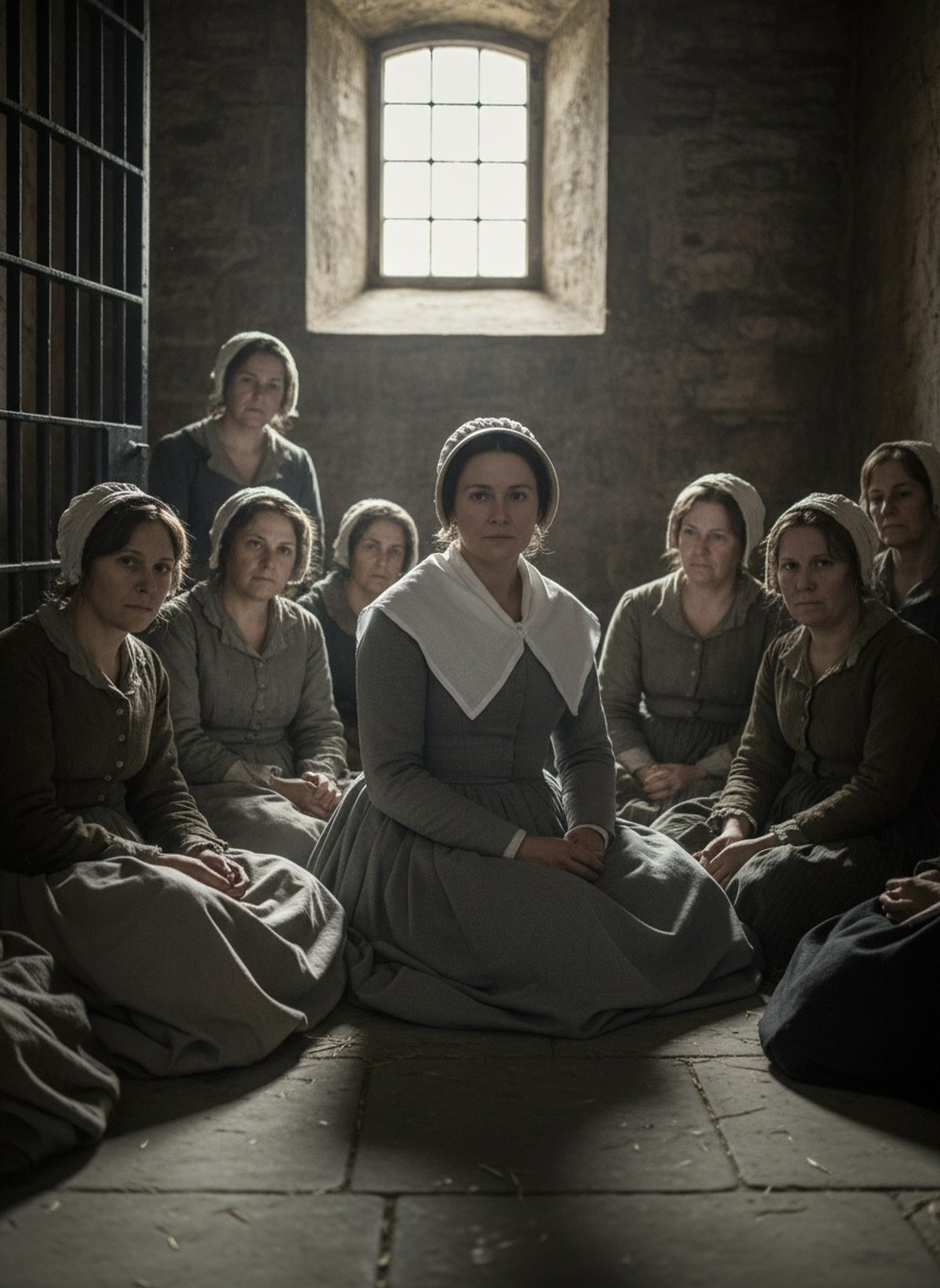
In the roaring heart of Georgian London, where tradition and progress waltzed in tandem, there existed a persistent belief that in the midst of freedom’s embrace, all was not free. The city’s cobblestones bore witness to the footsteps of nobles, merchants, and laborers alike—yet they also echoed with the silent anguish of human bondage. Sharp, an ordinary clerk, saw the truth that many preferred to ignore: that scores of enslaved individuals, primarily from Africa and the West Indies, lived under the shadow of servitude on English soil.
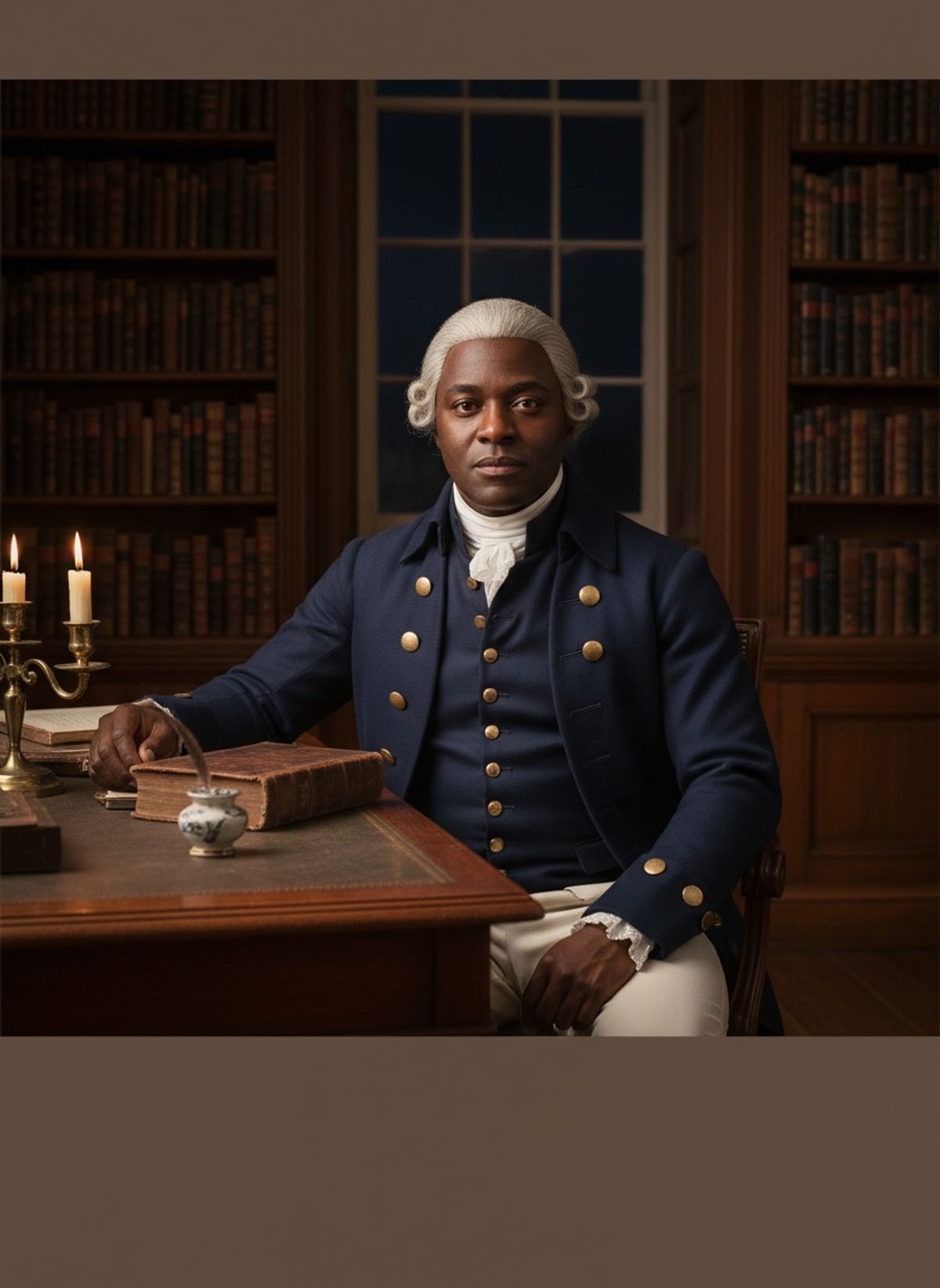
Granville Sharp, a man of striking conviction, lacked the aristocratic veneer or legal pedigree that might have given his objections weight. Born the son of a clergyman, his life was intertwined with the chorus of religious adherence and moral obligation. It was this grounding that propelled him into what would become a monumental struggle for justice. Despite his lack of formal legal training, Sharp's unyielding belief in the innate right to liberty urged him to confront an empire.
The spark that ignited Sharp’s crusade was his encounter with Jonathan Strong, an African man who had once been enslaved. Abuse had left Strong half-blind and seriously injured on the streets of London. Under Sharp’s care, Strong recuperated, only to be captured again by his former slavers, an act that incensed Sharp and fortified his resolve to stand against the iniquities of slavery. Sharp’s audacity in taking up Strong’s cause set him on a collision course with the deep-seated economic interests of Britain’s elite.
Read next: The Day a Surgeon Walked Into a Prison and Freed a Madman
The Courtroom Standoff
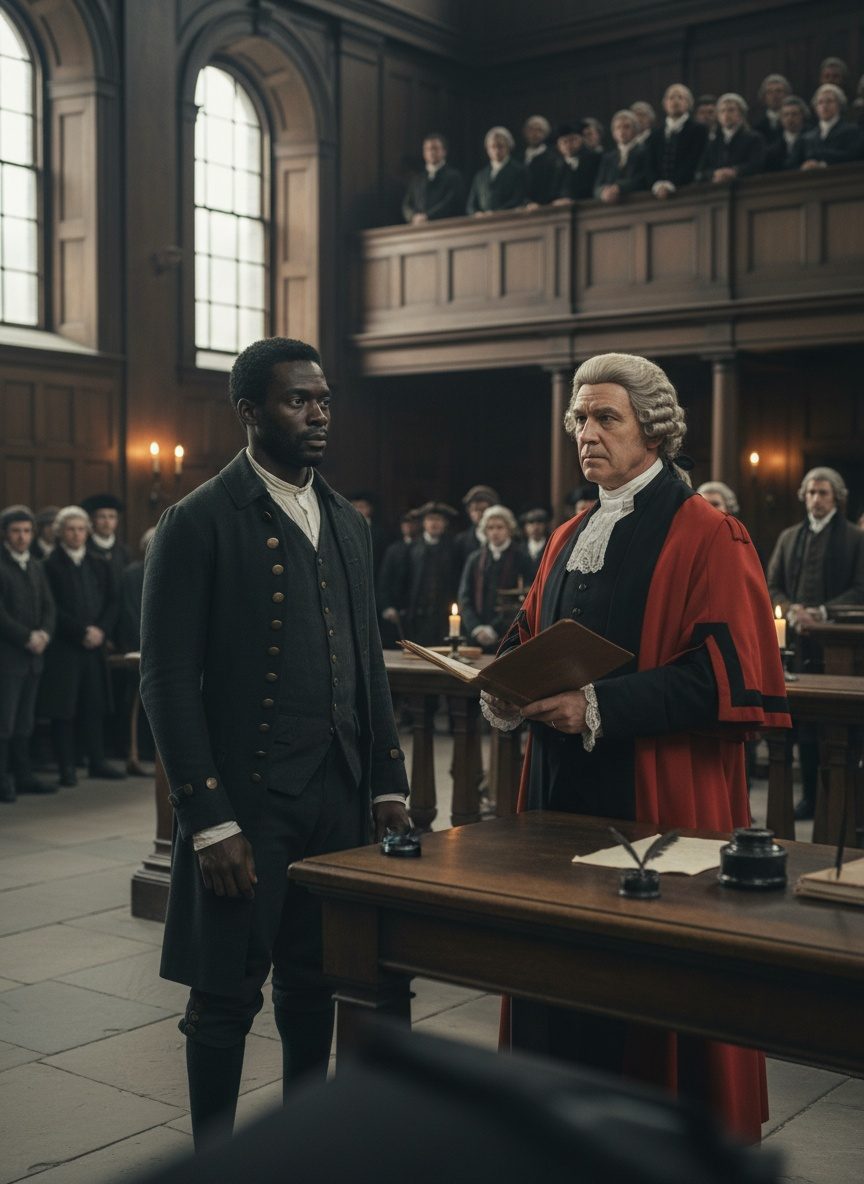
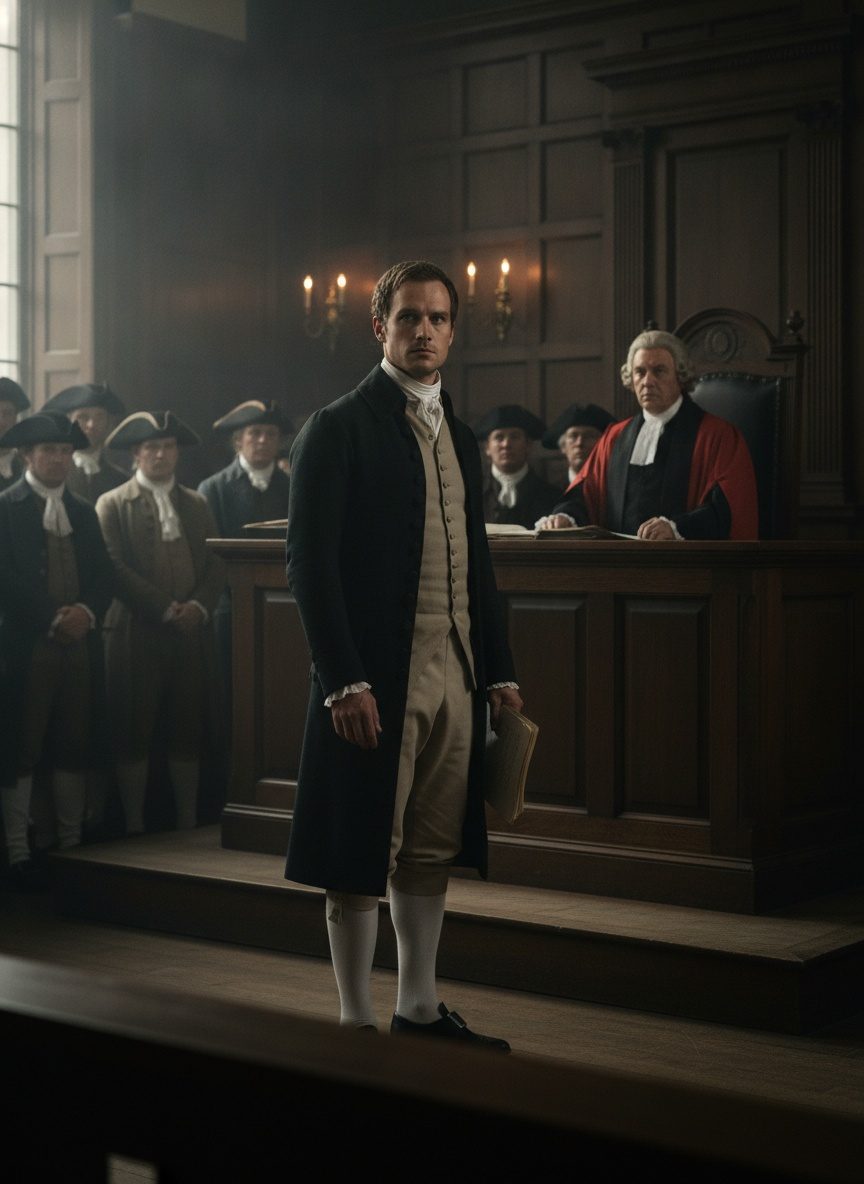
Inside the wood-paneled confines of the English courtroom in 1772, a sharp tension filled the air. The legal proceedings were set against a backdrop of flickering candles casting long shadows, their fragile flames illuminating the formidable figures arrayed in dark robes and powdered wigs. Sharp, undeterred by the imposing trappings of British justice, stood without fancy attire or polished presence, a solitary advocate for justice challenging the intricate lattice of power that thrived on the trade of human lives.
The defendant, James Somerset, had become the embodiment of centuries-old beliefs. Captured in Africa and transported to the West Indies, he was brought to England by his master, Charles Steuart. Somerset’s subsequent escape and recapture dared to challenge England’s conscience: Could a person be legally held as a slave on English soil?
Under the stern gaze of Lord Mansfield, the presiding judge, the case danced precariously between questions of property rights and individual freedom. Lord Mansfield, with a reputation for sober judgment and political acumen, now held the fate of countless souls in his hands. Sharp’s arguments were simple yet profound, founded on the principle that the air of England was too pure for a slave to breathe—the soil itself decried the notion of ownership over flesh and blood.
The courtroom drama unfolded as Sharp, armed not with statutes but with a moral compass, threw the gauntlet of justice at the empire’s doorstep. Legal giants stood against him, wielding sophisticated arguments and years of jurisprudence. Yet Sharp’s unwavering dedication and the growing undercurrent of abolitionist sentiment resonated with the soul of the courtroom.
A Verdict That Echoed Across Time
The decision, when it finally came, reverberated beyond the hushed walls of the courtroom. Lord Mansfield’s words were precise and momentous—the idea of slavery could find no sanctuary on England’s shores. The ruling, on its surface, applied only to Somerset, yet its moral and legal implications swayed the course of history. It was hailed as a victory for humanity, not merely a legal triumph.
Sharp emerged not just as a clerk turned crusader, but as an emblem of tenacity and justice. His victory underscored a vital shift—a gradual recognition that slavery, however entrenched in the economic framework of the empire, faced a formidable foe in the bedrock of English law. The implications of this verdict were seismic, breathtaking in their scope. Though it would take decades and further struggles for abolition throughout the British Empire, Sharp’s stand marked a pivotal moment.
Granville Sharp’s act of defiance remains etched in history as a testament to the power of individual conviction at its finest. It reminds us that courage to challenge entrenched wrongs can spur societal change, even from the humblest of beginnings. Today, as we unearth stories of those quietly left on history’s margins, Sharp’s stand beckons us to ask: In the face of injustice, who will be the next to speak truth to power?