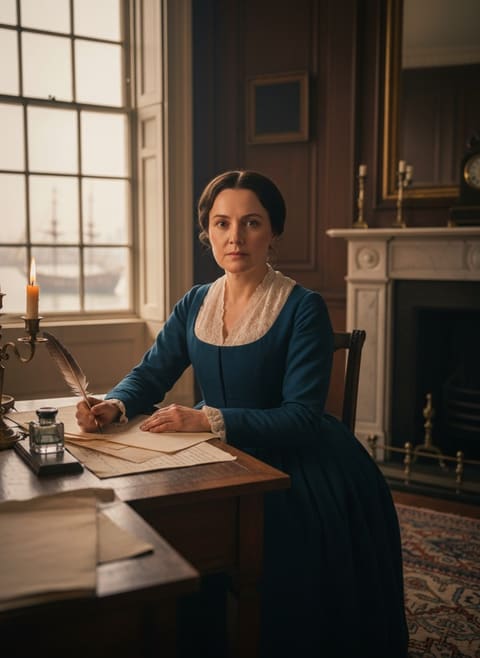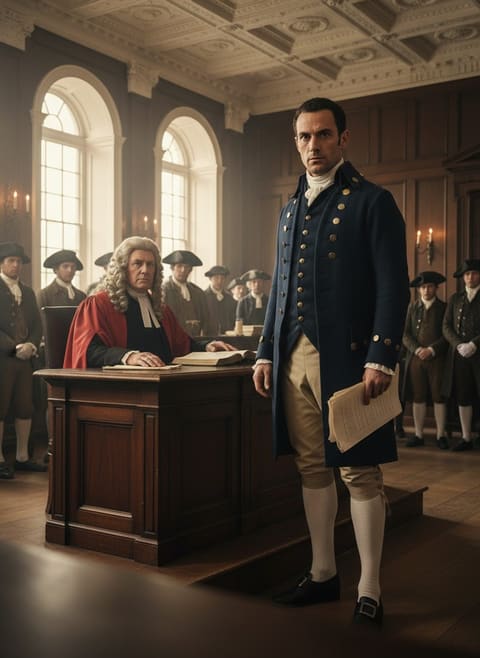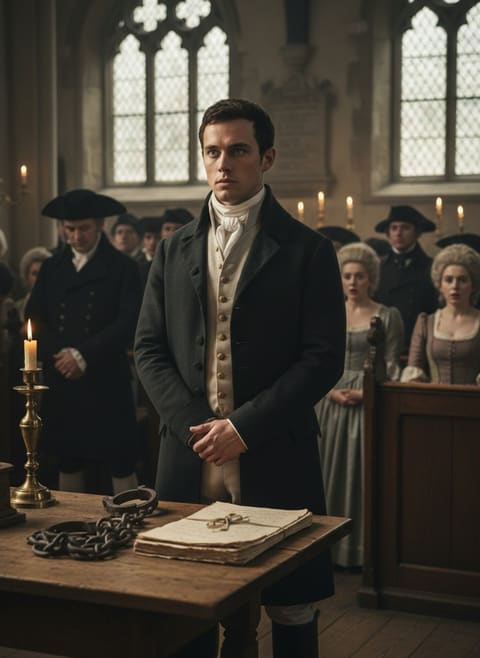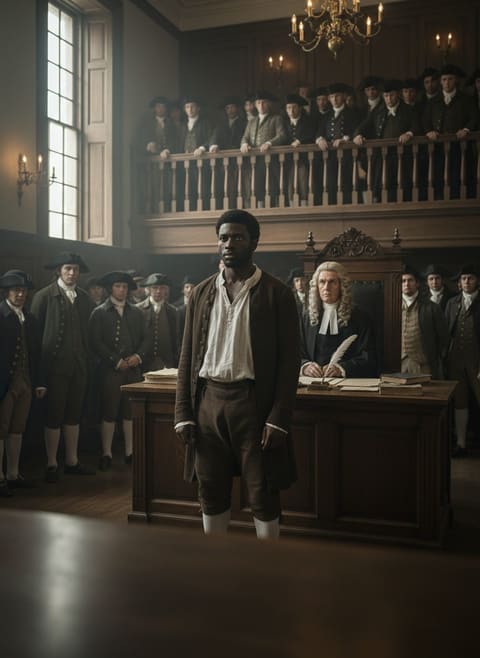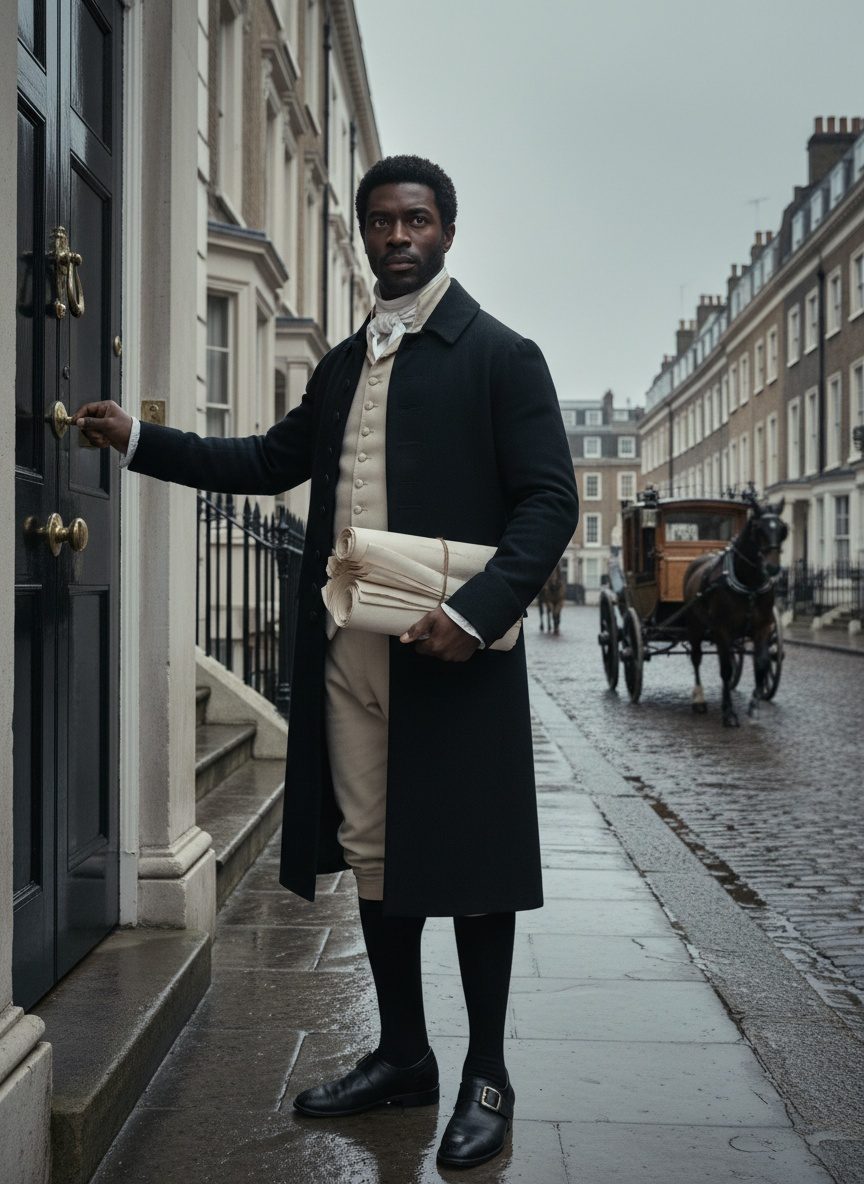
He had once been property himself. Now, he stood ready to challenge those who profited from the same horrific system that had claimed his freedom.
The Zong: Death in the Atlantic
In 1781, a ship named the Zong set sail from Africa laden with its grim human cargo: over 400 enslaved Africans tightly packed below decks. As the ship neared Jamaica, disease and malnutrition ran rampant, conditions exacerbated by severe navigation errors that extended the journey perilously beyond its intended time. On an infamous day during the voyage, the crew, led by Captain Luke Collingwood, made a fateful decision: to throw 132 of these enslaved individuals overboard, reasoning they could not last the voyage and would have greater value dead than alive, insured as they were by the owners.
In the commodification of human life, the cold arithmetic of suffering clashed with human conscience. The owners of the ship sought indemnity under the insurance policy covering their human cargo — these were not people in the eyes of the law or commerce, but mere financial assets. They hoped that the sea, indifferent and formless, would swallow their atrocity without a trace. But the waters harbored whispers, and those whispers reached the ears of the most unlikely of avengers.
Echoes of Freedom: Olaudah Equiano
Olaudah Equiano was no stranger to these heinous acts; he had been enslaved himself before buying his freedom. Since gaining his liberty, he had dedicated his life to the abolitionist cause, armed with the tools of storytelling. His autobiography detailed the horrors of slavery and the remarkable breadth of his life — from the African kingdom of Igbo to the heart of the British Empire — stirring compassion and outrage in equal measure across the nation.
Read next: The Day a Black Sailor Walked Into Court and Freed Himself
It was Equiano who sounded the alarm over the Zong massacre, refusing to let these atrocities drift silently into the depths. He sought out Granville Sharp, an emerging legal voice against the slave trade and a man whose persistence matched Equiano's passion. Together, they formed a duo that would force the mighty British Empire to confront its complicity in a system of staggering inhumanity.
A Court of Conscience
In London, 1783, the courtrooms were arenas of polished wood and powdered wigs, where justice often weighed more heavily under the strains of bureaucracy than under the burden of human ethics. The lawsuit filed by the Zong’s owners appeared initially as a dry legal proceeding: a debate over insurance claims and maritime law. But casting the innocents overboard was a crime crying out for moral reckoning, not mere financial restitution.
Sharp, backed by the determined Equiano, injected this moral dimension into an indifferent legal framework, ensuring the case pierced the public consciousness. The stark humanity of the Zong hearings challenged the very foundation of what was deemed acceptable. Every parchment, every stamped seal of authority on their arguments underlined not merely the destruction of property but annihilation of the human spirit.
Read next: The Day a London Clerk Walked Into Court for a Dying Slave
Beyond the Courtroom Walls
The ramifications of the Zong massacre and the resultant court case rippled beyond the barristers and benches. It outraged public opinion and fueled the fires of the burgeoning abolitionist movement. Equiano, with his dignified tenacity and Sharp with his indomitable legal fervor, transformed what could have been a mere footnote into a catalyst for change.
While the court ultimately ruled on the technicalities rather than address the moral horror of what had transpired, the horrific act on the Zong forced Britain to stare into a facet of its identity that many preferred to obscure. The wholesale murder of 132 individuals became a clarifying lens through which the insidious workings of the slave trade could be examined and dismantled.
In the end, Equiano and Sharp achieved more than justice for those lost at sea; they punched a hole in the veil of ignorance and indifference that had shielded the British public from the true consequences of their consumption. They invigorated a society to confront a legacy of cruelty — proving that the sturdiest chains of commerce could be challenged by the most unyielding of spirits. This tale is not simply one of past horrors but a testament to the relentless quest for humanity amidst the inhumanity, and perhaps offers a guiding light towards justice in the shadows of a murky present.