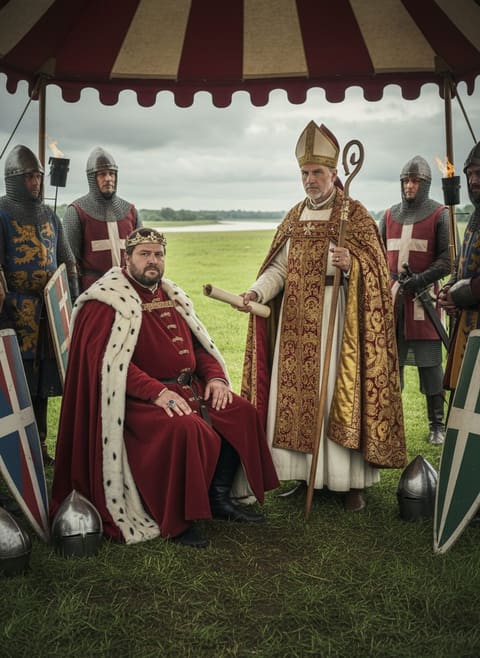
The voices echoed through the vaulted stone chamber, their foreign cadence alien yet authoritative. English nobles and once-mighty thegns could only watch and listen as the man on the dais unfurled a scroll, his Norman tongue resonating in the stunned silence of the hall. With each word, their world shifted irrevocably. French was to be the language of the English court; the proclamation delivered with stark finality.
The Norman Tapestry Weaves Over England
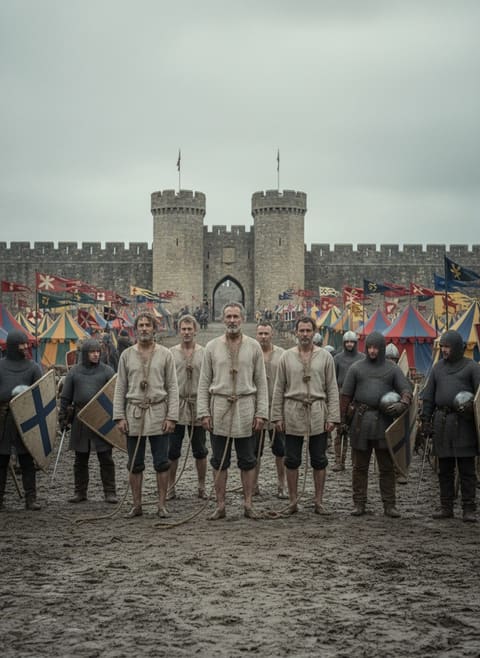
The Battle of Hastings in 1066 was not just a clash of armies but a collision of cultures. William, the Duke of Normandy, had crossed the English Channel with a singular aim—to seize the English crown. The immediate aftermath saw a kingdom gripped by the tangible terms of conquest: lands redistributed, castles erected, but more insidiously, the very language of the people was to be rewritten.
The English had weathered invasions before, but this was different. Saxons and Norsemen had come and gone, leaving behind relics of their tongues. But where these had mingled, blending slowly over generations, William's decree was abrupt and authoritarian. French was decreed as the official language of the court, and with that, a sharp division cleaved through the social fabric of England.
The Trickling Down of Norman Tongue
In the noble courts where before the English tongue had rolled comfortably, now the French language cascaded with the exotic flair of its origins. The language of the ruling Norman elite began to permeate the very structures of power, steering the country's legal and political vocabulary into new waters.
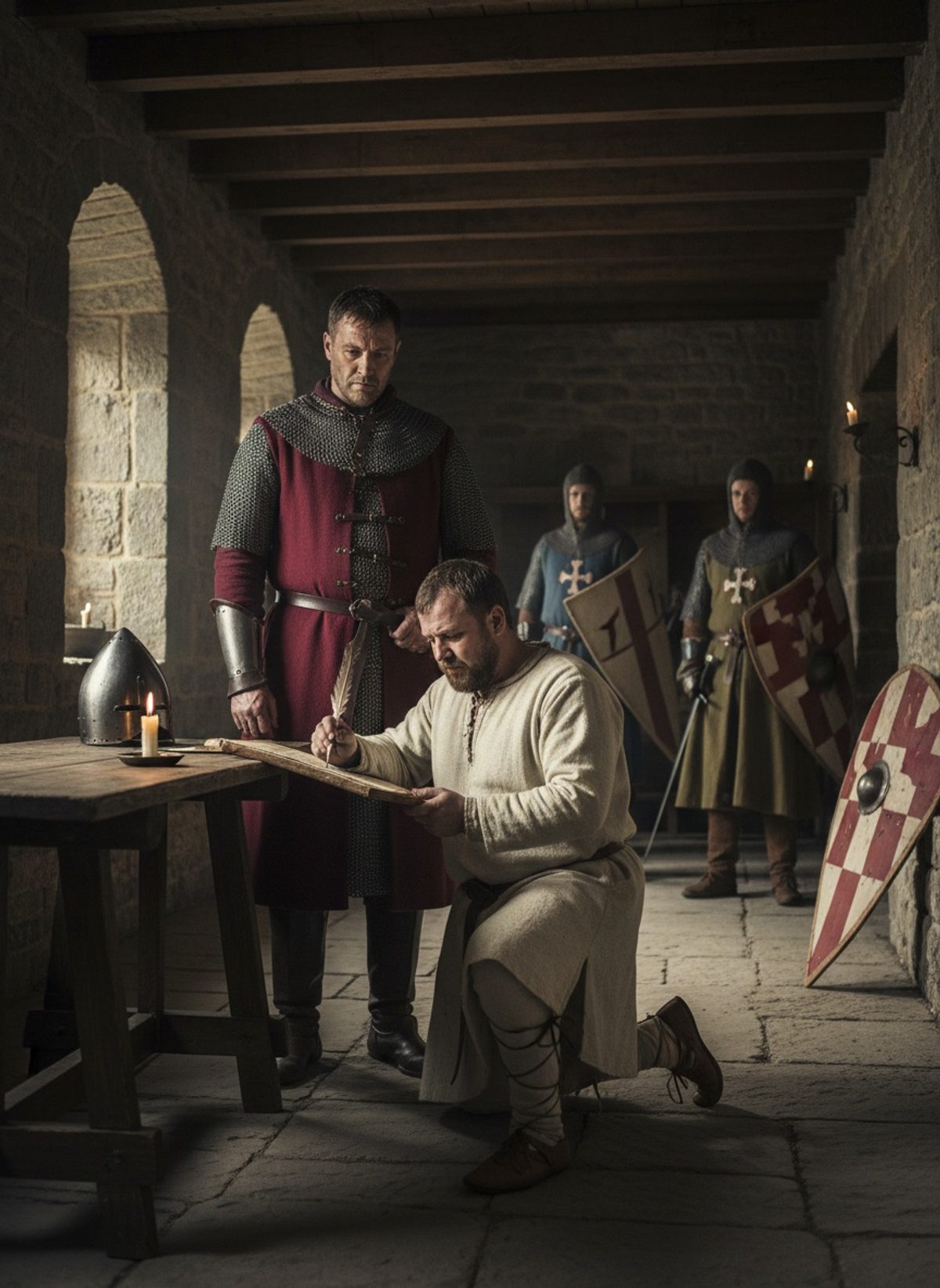
Royal acts and edicts, now scribbled in the rounded, elegant script of Norman French, were incomprehensible to the English nobility who had once wielded power. These documents, thick as parchment thickets, seemed to physically embody a growing linguistic rift. But it wasn't just politics. The courts, where once English had built arguments and dictated law, resounded with a new diction. Litigants expressed grievances in a tongue many struggled to master.
The Language of the Groundlings
As the Normans sat embattled within lofty castles and great halls, the common folk continued to speak in the language of their fathers. English persisted in the fields and the village squares, where its users clung to it like an heirloom. Yet its scope shrank; relegated mostly to the oral tradition, the stories and songs passed down became invisible to the written record.
In every court ruling and estate transfer, French ascended as the proprietor of documentation. Land deeds, contracts, and even the king’s charters were drawn in the foreign language—little wonder then that the English evolved to a tongue still recognisable but tainted by Gallic phrases and structures.
Read next: The Day a Welsh Girl Barred the Door on a King's Army
The Tale of Two Languages
The displacement of the English language in realms of power marked a profound cultural shift with echoes that would reverberate through centuries. Historians have often pondered how William's linguistic mandate was an extraordinary exercise of cultural imperialism, a symbolic shoring up of the conquest that no naval blockade or military garrison could ensure on its own.
The integration and sometimes collision of the English and Norman French languages eventually birthed a new tongue: Middle English. It evolved primarily because of the necessity of communication between rulers and the ruled—a testament to the endurance and adaptability of language amidst the tides of conquest.
Ultimately, the story of the Normans and the English language is one of synthesis as much as conquest. While the decree initially tore apart what was cohesive, it went on to stitch together a richer tapestry. The tale serves as a vivid reminder of how cultures often absorb influences in unexpected and resilient ways, offering a nuanced perspective on history’s relentless march.