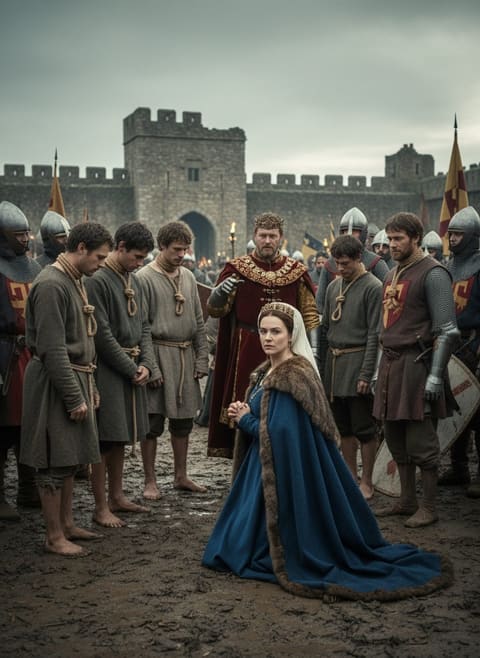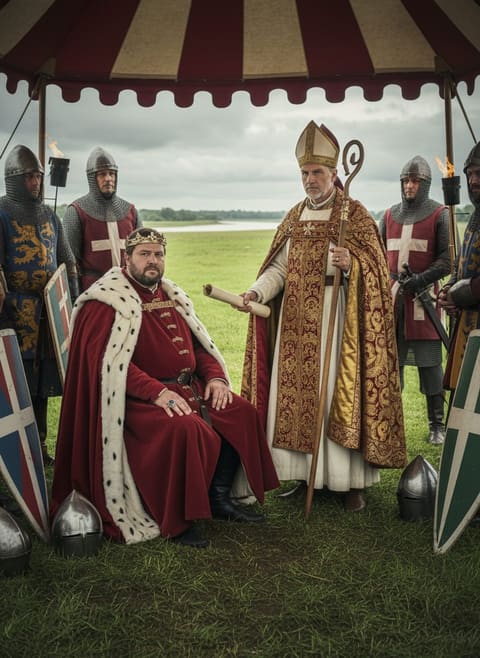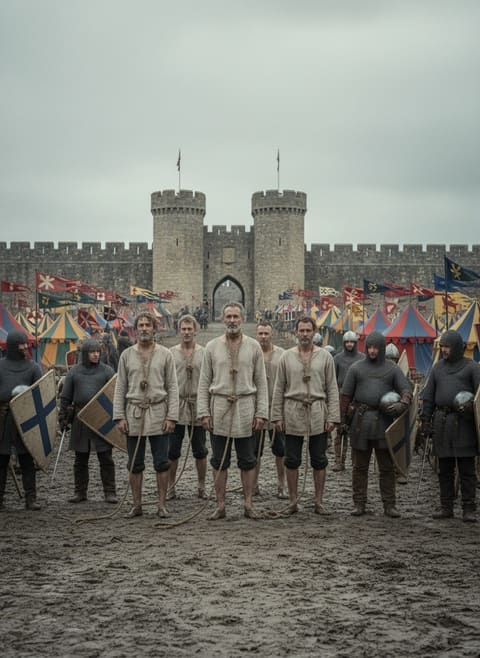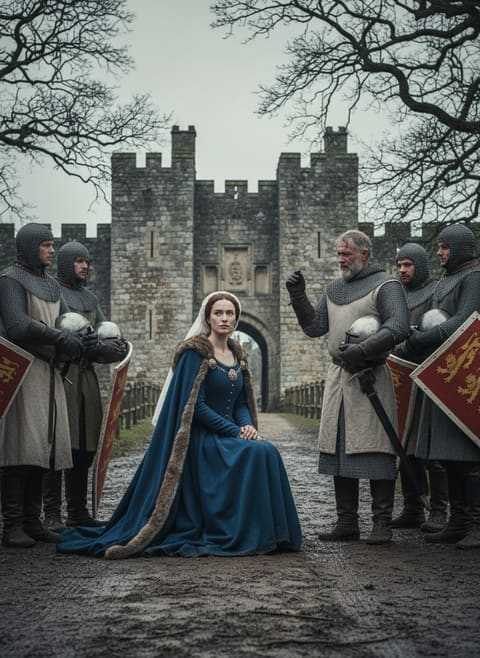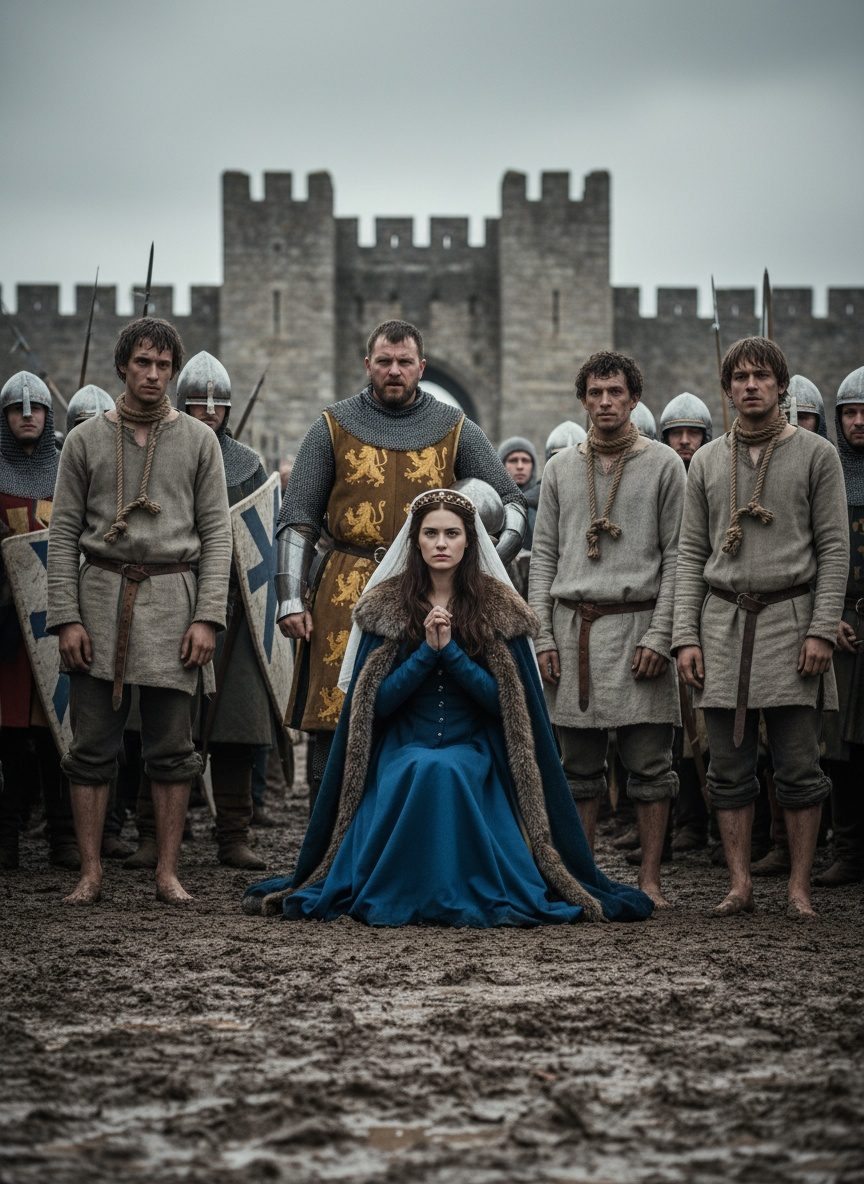
Mud squelched beneath her knees. Queen Philippa's voice, steady yet soft, pierced through the damp chill of the August air. King Edward III stood before her, his armor gleaming in the gloom, the faces of six barefoot, noosed men hauntingly etched against the late summer fog. Just beyond them, Calais lay silent, its walls and defenders defeated — the price of its surrender still hanging in the balance.
The Siege Lifts, yet a Curtain of Mercy Falls
The fall of Calais was the final act in a protracted and grim siege. Armies had camped and clashed, and the once-bustling port city was now an echo, its people starved into submission. As tradition demanded, Edward III sought the ultimate retribution — the heads of six men, symbols of sacrifice from a community brought to its knees. Yet, this scene unfolded into something unexpected and unforgettable.
The chosen six, dressed in sackcloth and humility, had emerged from Calais not as conspirators, but as willing martyrs. Representing the citizens cramped and starving beyond the city gates, they wore their nooses as a sign of dignity and determination. The sight was designed to display both defiance and desperation — a potent demonstration of what the human spirit could endure in the shadow of defeat.
A Queen's Compassion
Queen Philippa had witnessed the somber fraternity of these men, understanding their bravery in a way deeper than mere sympathy could afford. Standing by her husband's side, she decided to make an unprecedented plea. Philippa knew well the ferocity and fervor that could harden Edward's heart, but she also understood the transformative power of clemency. Her empathy transcended politics; it was a visceral, human response to the suffering that lay before her.
Read next: The Day a Welsh Girl Barred the Door on a King's Army
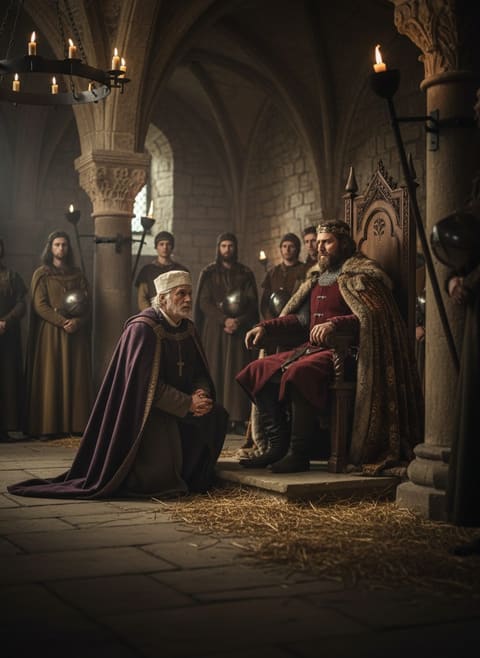
As she knelt before Edward, the court bristled with uncertainty. Her words begged for understanding, for a legacy of mercy to tether the harshness of war. “For the sake of the child I carry,” she implored in a way that carved her petition into the hearts of all who stood watching. Against the backdrop of stone-cold silence, her appeal wasn't just to her husband the king, but to Edward the man.
The Moment Hesitated, and History Changed
There was a tense, torrential pause — a moment when the air itself seemed too thick to breathe. The sight of Philippa, encumbered by mud yet anchored by resolve, twisted the narrative of inevitable execution into one teetering towards grace. Her plea, raw and powerful, found its way past Edward's armor and his kingly facade. The transformation was palpable; steel turned to silence, resolve to reflection.
In this charged instant, surrounded by his silent court and the woeful gazes of the condemned, Edward relented. It was not the command of strategy that stayed his hand, but the quiet words of a woman whose compassion held more power than any drawn sword.
Read next: The Day a Medieval Mayor Knelt and Saved Six Condemned Men
The six men, sentenced to die an hour earlier, were instead gifted life. Their bare feet, which had tread the path of self-sacrifice, now stood on the cusp of a future unbound from this day's ropes. It was a remarkable reversal, one told not as much by the chronicles of kings, but whispered through the ages by those whose lives were spared.
Ripples Through Time
What transpired outside Calais on that August day became more than a mere footnote in the shadow of conquest; it echoed through history with a melody of mercy. This was a world where kings were kings and mercy was seldom sought, let alone given. Yet Queen Philippa's intervention illustrated the profound difference kindness could carve amidst the stark roughness of medieval politics. Her actions painted a refreshing palette over the black and white of classical conquest stories.
The enduring tale of Philippa's compassion reminds us of the softness within power, the strength in forgiveness, and the everlasting weight of choices that favor hope over vengeance. A moment in mud, marked with humility, set free a precedent seldom scribed on battlefield tablets. While steel and siege often top the textbooks, it's moments such as these — of gentle intervention and life extended — that remain the echo we feel echoing even now, woven quietly into the broader tapestry of our history.