The damp chill of Canterbury Cathedral seeped through the very stone of its towering walls as Thomas Becket knelt before the altar, the flickering candlelight casting dancing shadows across the ancient tile. The murmurs of prayer were suddenly swallowed by the ominous echo of boots striking the cold floor. Becket’s heart must have quickened yet he held his ground. Within moments, the sanctuary was breached and a sanctified man's fate sealed with brutal certainty.
The Foolish Words of a King
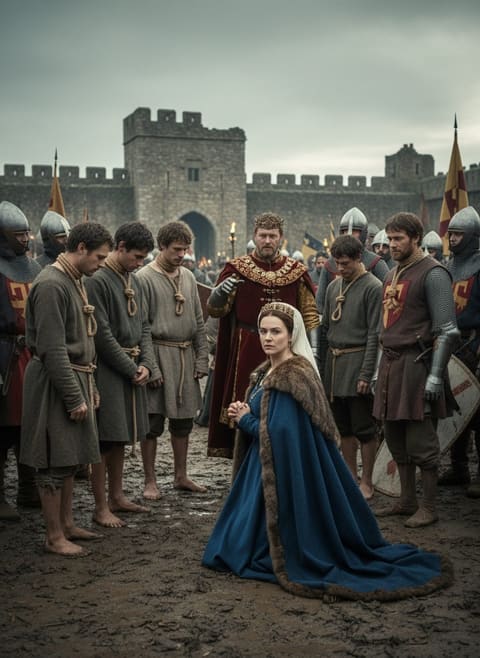
Few moments have been as consequential from the lips of a ruler as those uttered by Henry II in December 1170, in the fit of uncontainable exasperation. "Will no one rid me of this turbulent priest?" Historians debate the exact phrasing, but the perilous nature of the words echoed decisively. Perhaps it was the residue of wine or the fervor of frustration with an old friend turned adversary that fueled Henry’s outburst, but the knightly audience took heed. Four courtiers — Reginald FitzUrse, Hugh de Morville, William de Tracy, and Richard le Breton — interpreted the angered monologue as a call to arms.
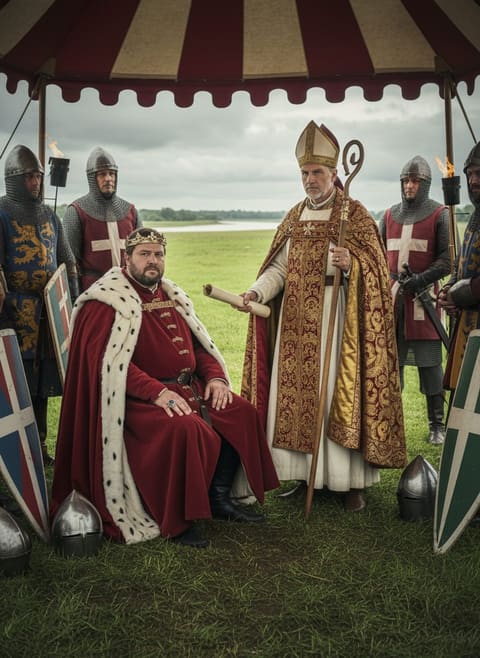
Henry II, ruler of the Angevin Empire, a realm sprawling across England and much of France, was no stranger to confrontation. Yet, none challenged him quite like Becket, the Archbishop of Canterbury. The king's desire for sovereignty over ecclesiastical affairs led to bitter disputes, culminating in Becket's early refusal to sign the Constitutions of Clarendon, documents intended to curtail clerical privileges and strengthen royal rights. Over time, their friendship twisted into rivalry, and the very crown threatened to buckle under the weight of its ambition.
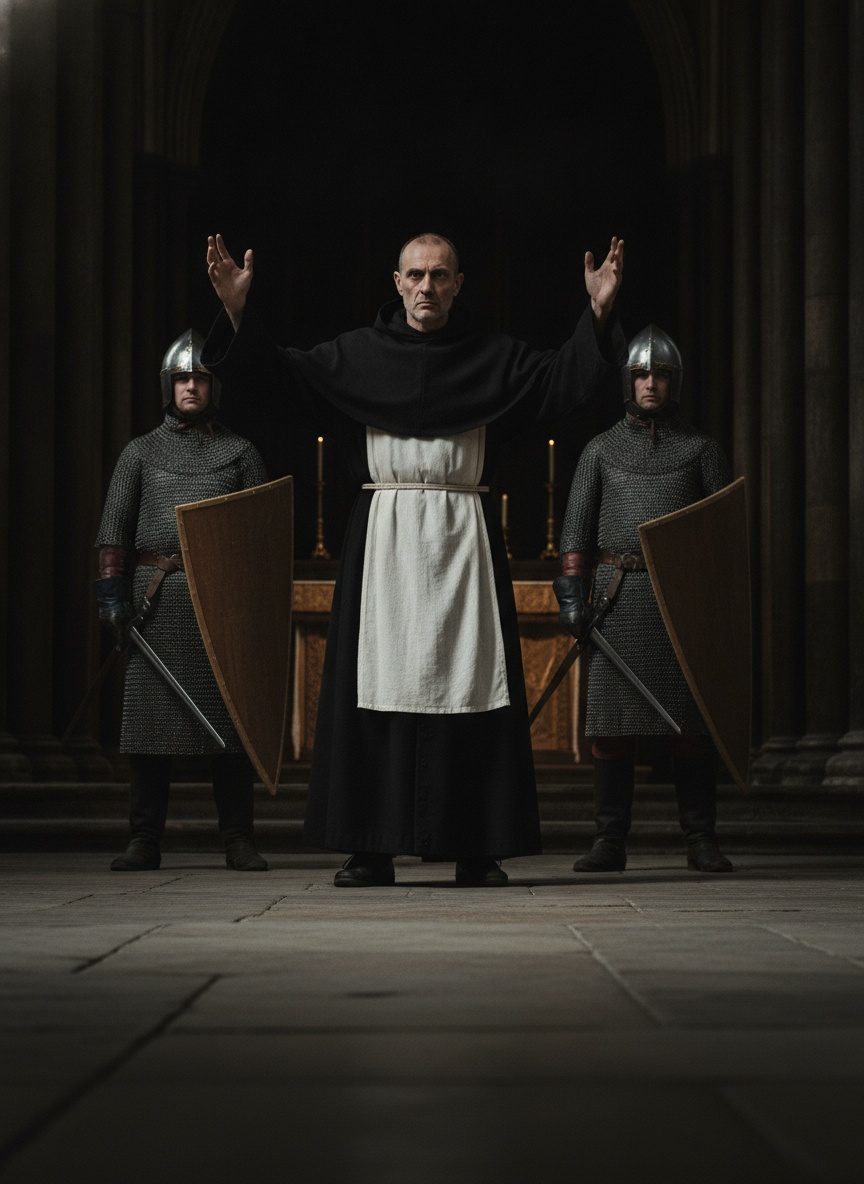
Unbeknownst to Henry, as the knights made their way to the stone heart of Canterbury, a somber monk named Brother Ambrose had quietly appealed to those at court. With small stature reminiscent of his quiet nature, and eyes that revealed the weight of knowing, Ambrose had forewarned of Henry’s flares of temper — a temper all too easily converted into misfortune for any in its path. His whispered cautions fell onto ears deafened by political fervor and knightly resolve. The king's command, emblazoned in the air, remained unheeded yet brutally enforced.
Read next: The Day a Welsh Girl Barred the Door on a King's Army
Cathedral of Blood
On the 29th of December, the four knights reached Canterbury with a determination that betrayed any hesitance in their mission. Storming into the cathedral during vespers, they confronted Becket, who stood resolute, each stoic breath marking his final stand against worldly tyranny. Tales say their blunt interaction quaked the ground beneath the cathedral, a testament to the reverberating violence yet to unfold.
Witnesses recount that Becket's demeanor was unyielding, his gaze rippling with defiance as the knights presented their demands and threats. To abandon his stance or face the sword — such was their ultimatum. The king's ire echoed in their voices, the chilling whispers of death cloaked in steel that failed to sway the archbishop's resolution. Becket chose martyrdom, invoking the mantle of faith over fealty to human authority.
History immortalizes the horrid moment when the sword struck down, cutting through sacred inviolability — an act seen as a desecration to Christendom. Clerics and devotees alike gasped in horror as the archbishop's lifeless form succumbed to the stone floor, falls that resonated in monasteries and courts as far as Rome. Becket's blood mingled with the very foundation of English Christendom, lacing the cathedral air with sacrilege and transforming it into a hallowed ground.
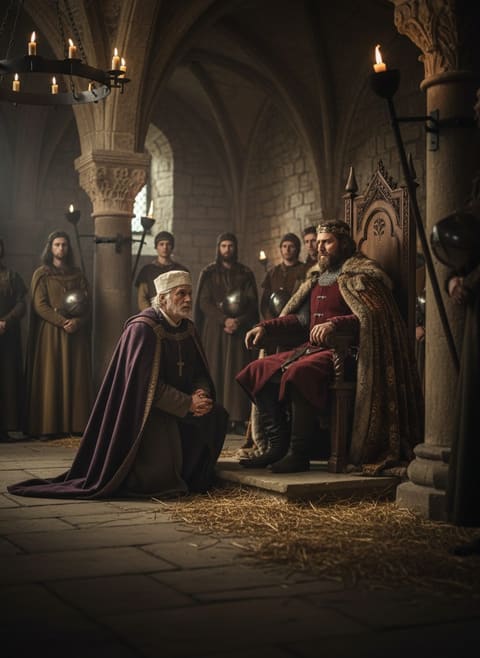
The tragic death was not simply a homicide; it shook the ecclesiastical institutions across Europe. Pope Alexander III condemned the crime, turning the church's wrath toward Henry, who, wracked with remorse, would later perform a ceremonial penance to pacify his own guilt and the scorn of his subjects.
Read next: The Day a Medieval Mayor Knelt and Saved Six Condemned Men
The Monk's Lasting Voice
In the aftermath, England's political landscape quaked as it clamored for atonement. Yet, beneath these swirling crosscurrents of power and piety, the subtle legacy of the humble Brother Ambrose emerged. His insights, ignored in the heat of human folly, sought a broader understanding — a lesson in the consequences of unchecked authority. Long after the blood had dried upon the altar, the monk’s quiet prophesies reverberated in monasteries and amongst subjects, a testament to foregone wisdom realized too late.
Becket's martyrdom solidified him as a saint, celebrated for his iron will and steadfast devotion. Thousands embarked on pilgrimages to the scene of his sanctified death, Canterbury growing as a beacon for pilgrims seeking spiritual solace and the embodiment of unwavering faith. As Henry humbly attended his penance, stripped of kingly pretense, one might speculate if the words of an unnoticed monk lingered in his thoughts, silent echoes of what might have been.
Each act in this medieval theater — Henry's impulsive outburst, Becket's bloody martyrdom, and Ambrose's quiet warnings — reminds us of history's intricate weave. The relationships between power, the voice of conscience, and the dynamics of divine conflict endure beyond temporal borders. For in retrospect, it is not merely the tale of a single tragedy but a timeless reflection on the weight of words, the enduring power of faith, and the often invisible advisors whose quiet wisdom can guide even the most tumultuous paths of destiny.