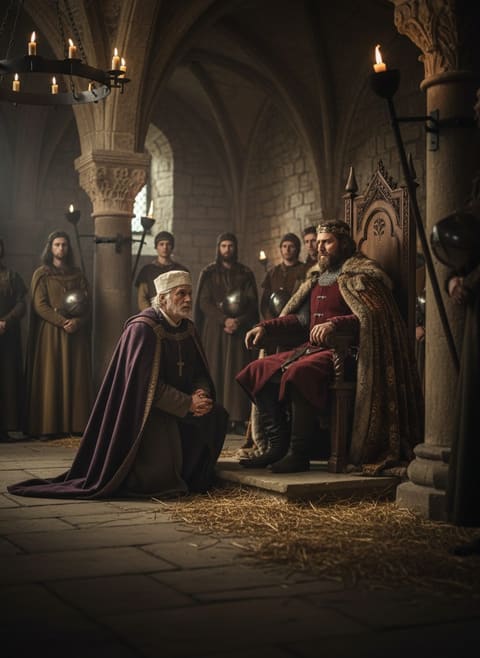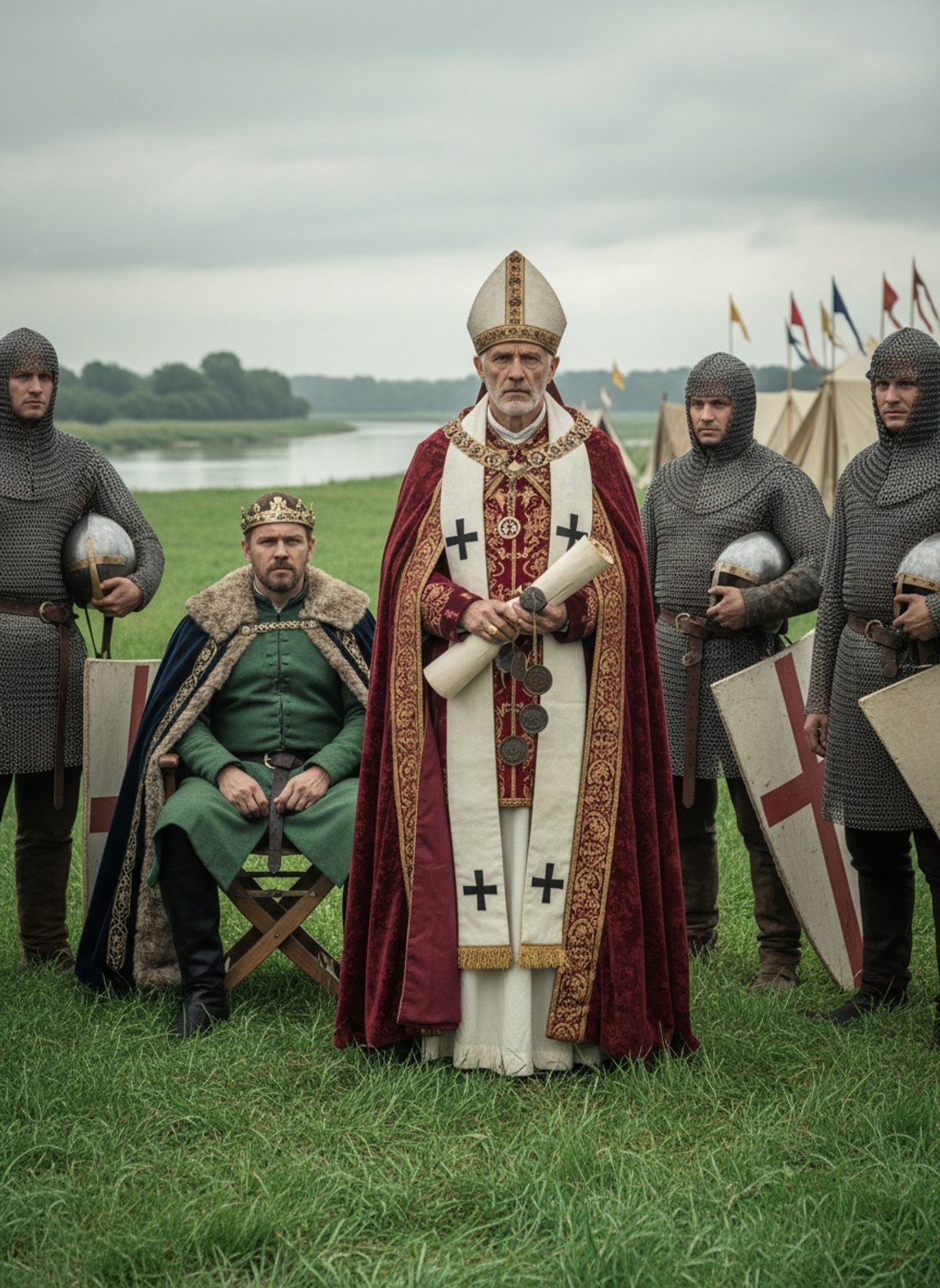
The air hung heavy over Runnymede that June day in 1215, as if pregnant with the murmurings of destiny. Overhead, the skies shifted from grey to a muted gold as light pierced through gaps in the clouds, dappling the grassy meadows along the Thames. A midsummer heat simmered low, leaving everything tinged with an edge of anticipation. At the center of this stage stood a man who was neither knight nor king, yet pivotal to the fate unfolding—all eyes on the figure of Stephen Langton, Archbishop of Canterbury, as he faced a defiant monarch and a nation on the brink.
The Unassuming Battlefield
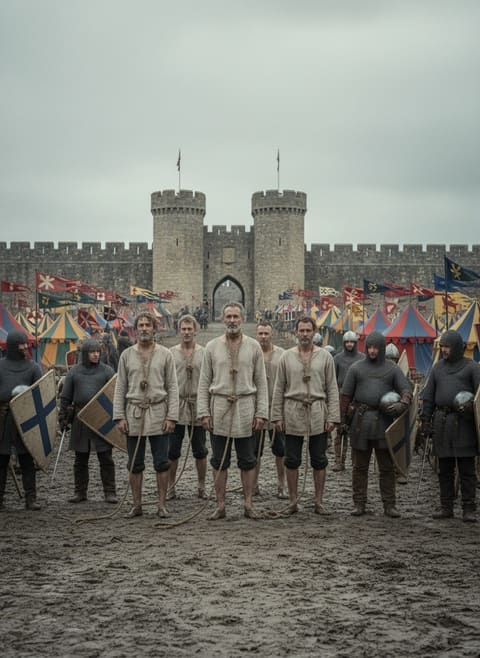
Runnymede was hardly a splendid venue for what would become a foundational moment in English history. Its significance laid not in grandeur but in its accessibility; nestled by the River Thames, a flatland that unfurled just west of London—neutral ground where neither King John nor his rebellious barons could claim advantage. The soundtrack to this gathering was the rustle of the river reeds and the distant bleating of sheep, less an august battleground and more a meeting place of weary hope and fragile peace.
Here, among this unpretentious scenery, gathered men cloaked in furs and chainmail, boots muddied by travel and tempers fueled by months of futile demands. They murmured in clusters, unified only by their grievance against a king who stood accused of hoarding authority and bleeding his realm dry. Yet how did an argument over taxes and feudal rights bring them to this open field, and why was a servant of God now standing at its turbulent epicenter?
The Compass of Conscience
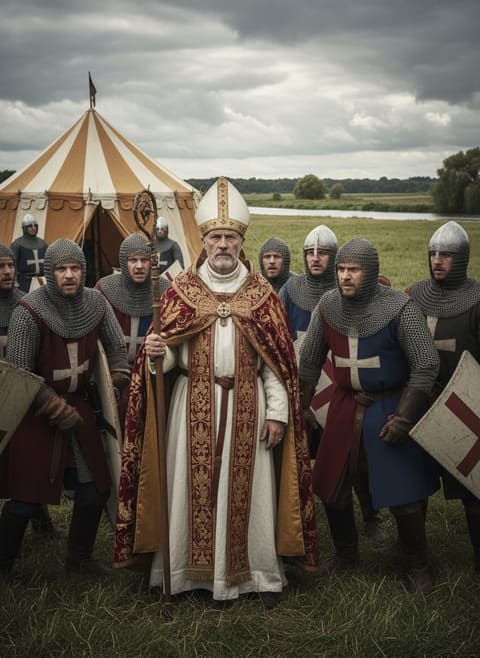
The man leading this charge of souls was Stephen Langton, a scholar of profound thought and a man of deep faith. Installed as Archbishop of Canterbury in 1207, Langton’s rise to this prestigious post was steeped in its own drama, as Pope Innocent III and King John sparred fiercely over his appointment. Exiled for years due to this royal defiance, Langton’s return to English soil marked not submission to royal whims but the revocation of a kingdom run amok with tyranny.
Read next: The Day a Welsh Girl Barred the Door on a King's Army
Langton believed deeply in the sanctity of justice, ruminating not just on the souls he shepherded but on their earthly burdens. It was he who brought to light an ancient, deeply buried charter that would form the philosophical backbone of what was to come—a Magna Carta before its name had even been whispered. Subtle yet unwavering, his was the spirit of moral reason steering the ship of discord towards a new horizon.
The King's Reluctant Seal
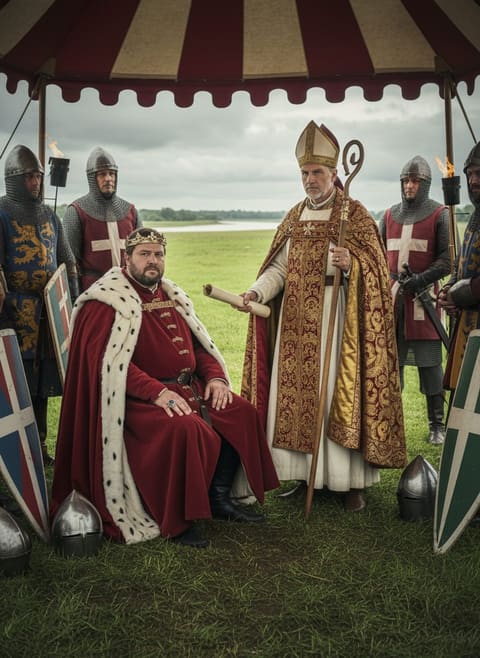
King John stood as if cut from stone, his mind a tumult of fury and begrudging resilience. Once monarch of vast Angevin domains, now diminished in stature and favor, his was a reign marred by conflict with both crown and church. Today, John wore a face as dark as the cloth on which the charter would rest, a blur of ink and vellum that demanded he relinquish unchecked dominion.
For all John's gallant visage, one man’s resolve cast shadows longer than any royal retinue. Into this parley marched Langton, pressing not just parchment into sovereign hands but the weight of future promise. With no sword to brandish nor army to summon, he wielded a weapon of greater potency—truth enshrined in law, an armor harder than steel.
The Precedent That Echoes
In the sultry air of Runnymede, John finally set his seal to the document, turning a moment of personal loss into a font of communal joy. It was not just ink that flowed, but a river of rights granted and grievances addressed. Twenty-five barons ratified a magnum opus of compromise and counsel, each clause a step toward eroding the autocracy that had reigned supreme.
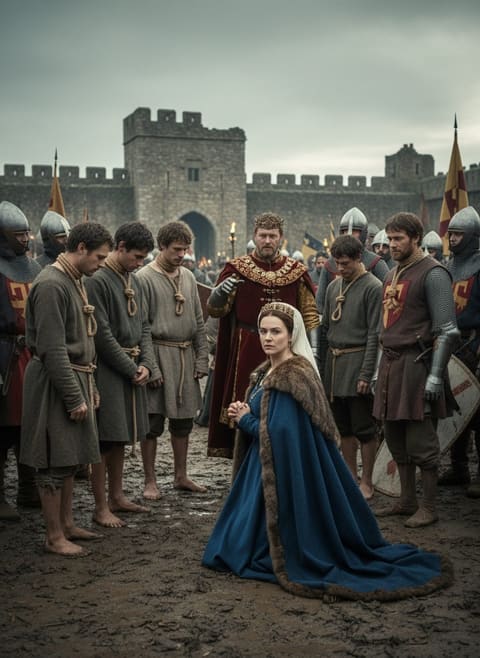
Read next: The Day a Medieval Mayor Knelt and Saved Six Condemned Men
Yet here resided more than the barons’ triumph; it whispered a promise to every Englishman across the isle. The Magna Carta articulated liberties—freedoms that eventually fanned out beyond the island's shores, stirring revolutions, and shaping democracies centuries beyond its sealing afternoon.
The Resonance of an Unforeseen Legacy
As the vellum rolls were carried from Runnymede, destined for the abbeys and shires of England, no partaker could foresee the monumental shadow this day would cast across ages. King John’s reluctant signatory act provoked not just political reform but ignited a paradigm shift: entrenched in each ink stroke was not only the kingship’s concession but the fundamental assertion that power must answer to law.
Though imperfect and amended by time, the Magna Carta transcends its medieval roots to remind us of an unassailable truth: the fight for justice and equity is ever living, ever breathing. The Monk and King’s confrontation at Runnymede thus progresses from royal dispute to a sweeping testament of unified resolve—and the resoluteness that ordinary voices can inscribe onto the pages of history. In today's temples of justice, the whisper of those sunlit fields in June still resonates, urging us to listen, to learn, and to stand firm.