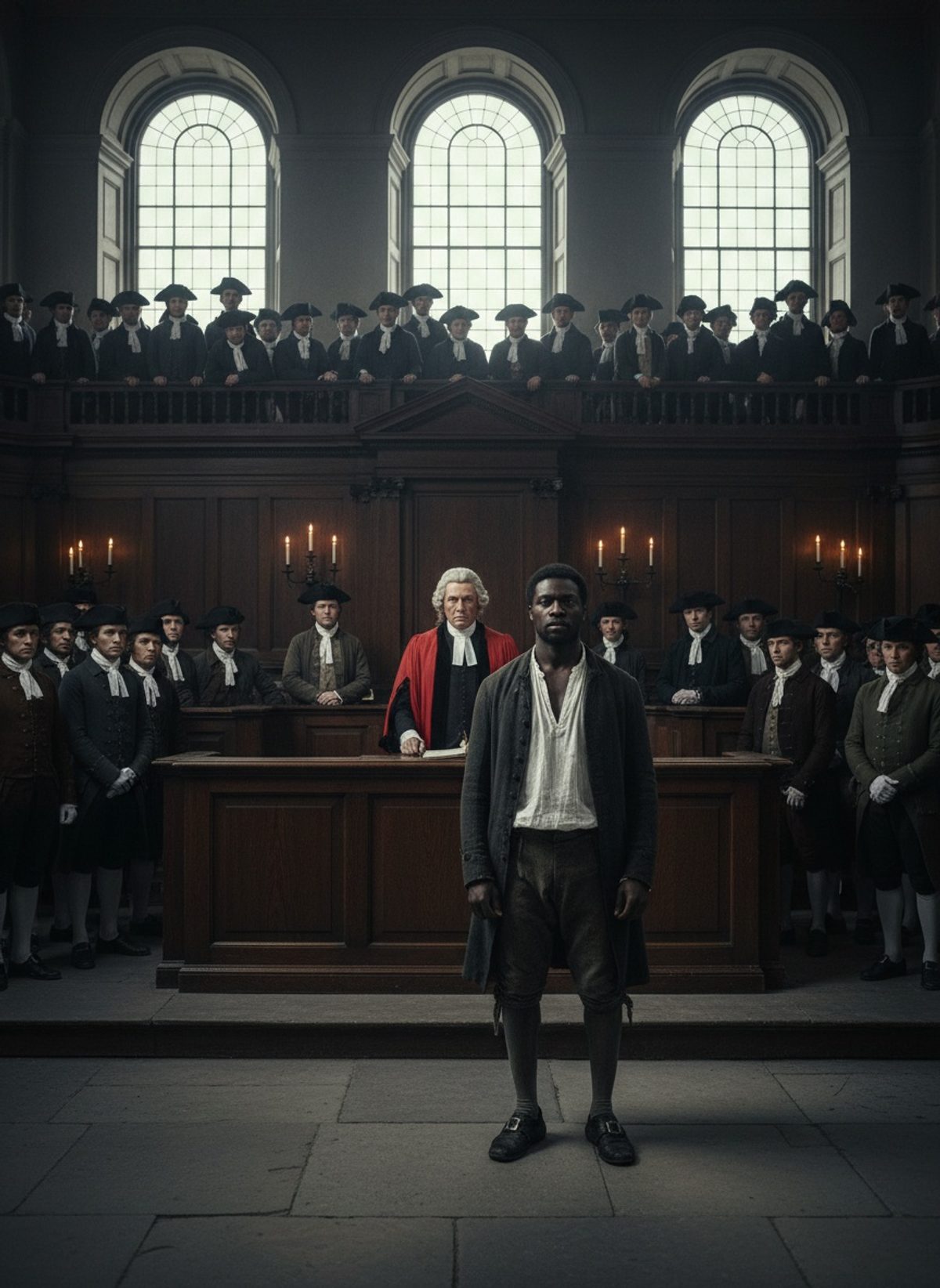
James Somerset is not a household name. Yet, the ruling on his case sent ripples through an empire.
The Man in Chains
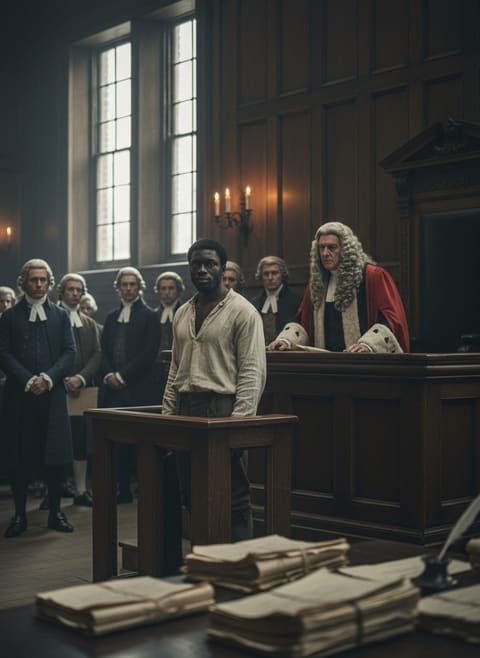
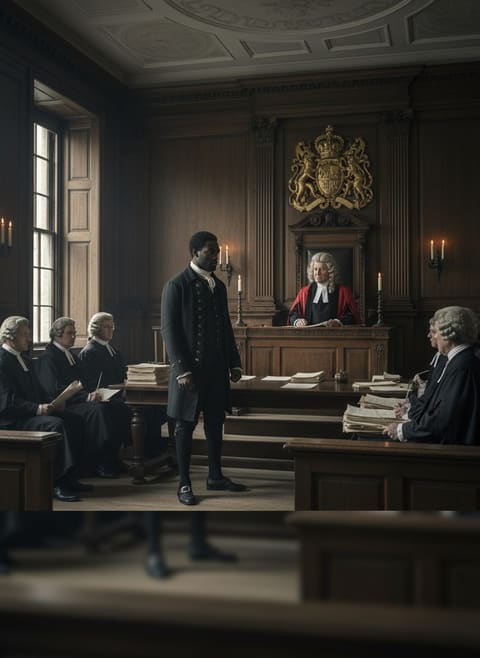
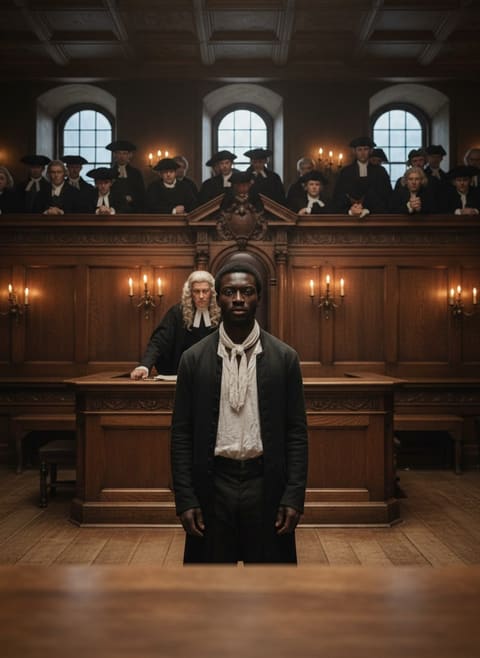
The clamorous hustle of London in 1772 buzzed with whispers of a different kind — one that echoed within the stone walls of England’s highest court. It was a scene almost unimaginable today but powerfully symbolic of its time. Standing shackled before British justices was James Somerset, a man of undeniable dignity, hardened by the fight for his own freedom. Brought from Jamaica, Somerset was a pawn in an age where humans traded hands like commodities, their value calculated on ledgers alongside barrels of sugar and bags of tea.
This particular morning, the courtroom was packed with onlookers leaning in, anticipation hanging heavy in the air. They were here to witness the unraveling of a peculiar dilemma: Somerset had escaped his owner, Charles Stewart, a Virginia customs officer, only to be recaptured and bound for transport back to the plantations of Jamaica. Yet, standing in the prestigious Gregson v. Gilbert courtroom, Somerset was on the brink of rewriting his fate and making a mark on history.
The Unlikely Alliance: Somerset v. Stewart
The buzz around Somerset’s case had drawn the attention of sympathetic abolitionists who were determined to find footing against the powerful tide of slavery. Notable among them was Granville Sharp, a man known for his relentless pursuit of justice for the oppressed. Sharp and the small yet growing abolitionist movement had found in Somerset a beacon for their cause.
Read next: The Winter That Broke Napoleon's Army of Portugal
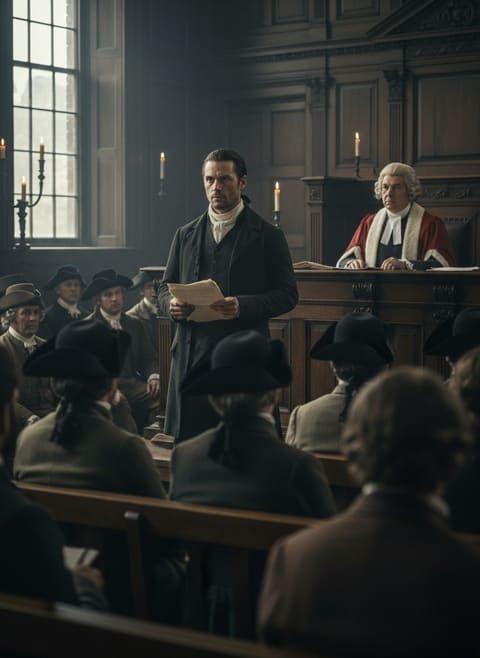
Represented by a team of impassioned lawyers, Somerset’s defense hinged on an argument that would challenge British legal and social norms. This wasn’t merely a contest between a master’s claim and a man’s freedom; this hearing was about whether the soul of England could accommodate the practice of slavery on its own soil. The defense argued that once Somerset stepped onto English land, he was under English law, and according to that law, his bondage couldn’t be justified.
Lord Mansfield’s Dilemma
Lord Chief Justice Mansfield, presiding over the matter, was a figure of formidable intellect and deep pragmatism. Known for his astute judgments, Mansfield was also profoundly aware of the ramifications his decision could ignite. He faced a judicial conundrum: deny Somerset’s plea and reinforce the chains of an abhorrent industry that Britain leaned on economically, or liberate him and cast a legislative shadow that might threaten more than two decades of imperial practices.
The weight of Mansfield’s forthcoming judgment hung heavily. The entire courtroom seemed to draw breaths collectively, yet dissenting opinions outside the chamber suggested that Somerset’s chain was political dynamite. Could Mansfield’s ruling truly resonate beyond the ivy-clad walls of the court and the cobblestone streets of London?
A Verdict Rendered
June 1772 arrived, thick with the anticipation of a decision that would ripple across oceans. On the fateful day of judgment, Lord Mansfield delivered his words with a resonance that would echo through the corridors of time. The edict was simple and yet revolutionary: no man could be enslaved within the bounds of English soil.
Read next: The Day a Freed Slave Stood Before the King's Council
The courtroom exploded with the murmurs of history being made, while the shackles on Somerset’s wrists and feet became nothing more than relics of a temporary bondage. The judgment was a monumental blow to the psyche of those perpetuating the transatlantic slave trade. Yet, despite the momentous victory, the legal precedent was specific and didn’t immediately dismantle slavery in the colonies or even ensure freedom for all those already enslaved in England. Nevertheless, it was a pivotal symbol, a shining example that incited hope and new strategies among abolitionists.
The Aftermath and Unseen Ripples
In the immediate aftermath, the free air James Somerset inhaled outside the courtroom was laden with heavy promise. The case galvanized newfound fervor among British abolitionists, standing as a poignant testament to their cause. Across the Atlantic, the reverberations of this case induced fear among slaveholders and ignited discussion about human rights and the moral compass of an empire.
Yet notably, the decision did not end slavery within the British Empire; it was a much-needed chink in its armor, sparking debates and igniting passions on both sides of the divide. The enslaved were no longer faceless commodities in their entirety; they were echoes of hope challenging the institution that had bound them both physically and philosophically.
The story of James Somerset is among the many untold or overlooked histories that weave the fabric of collective progress. It is a powerful reminder of the single acts of defiance that can inspire fundamental change. As we reflect on Somerset’s journey and Lord Mansfield’s daring decision, we’re urged to consider the price of individual liberty and the courage it takes to stand for change amidst towering forces. Somerset’s chains were broken, but the legacy of his fight for freedom continues to resonate, challenging us to rethink justice, equity, and humanity.